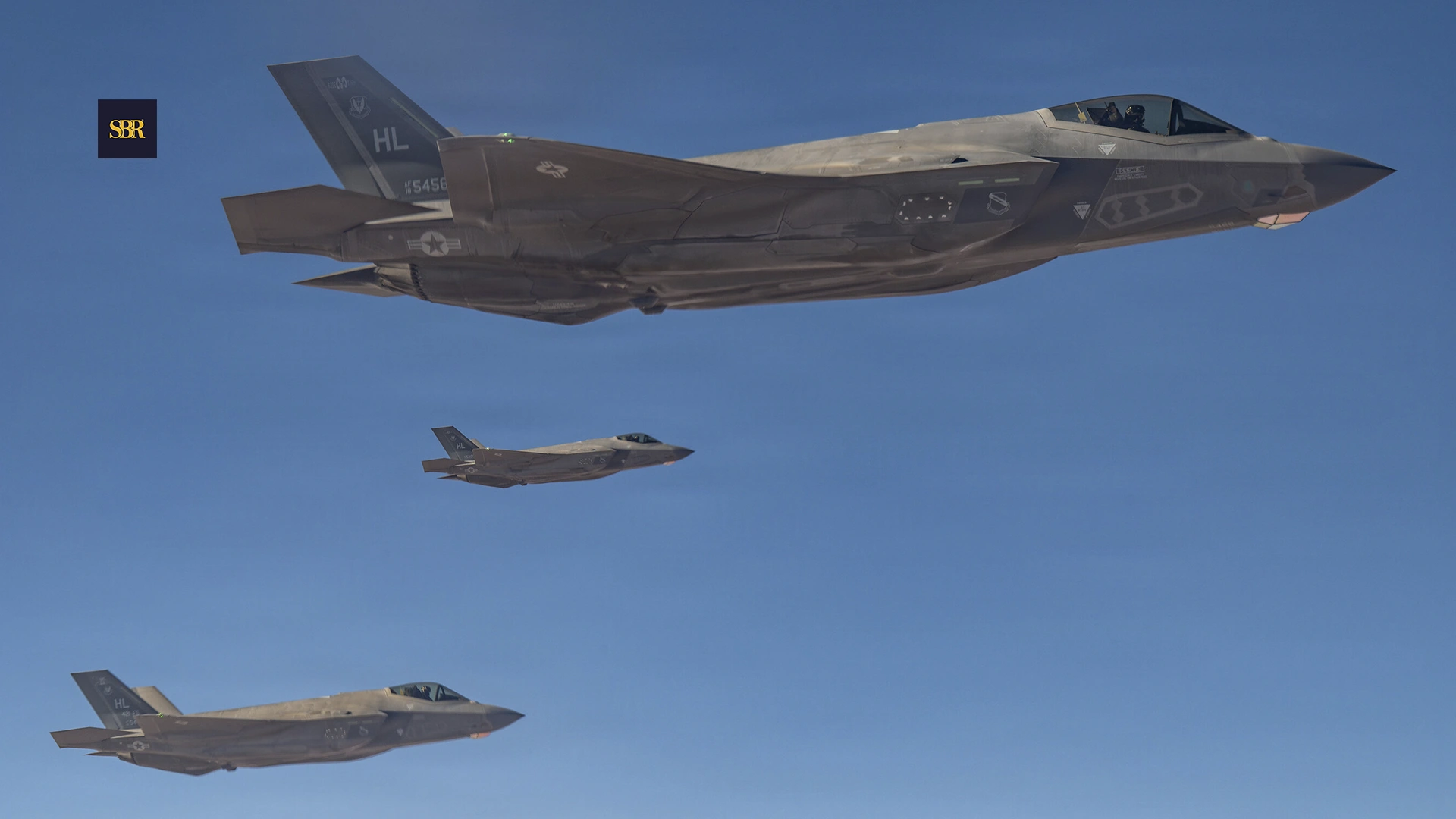
WASHINGTON, March 23, 2026 — Global markets recovered modestly on Monday as oil prices fell sharply after the United States announced a pause in planned military strikes against Iran, giving investors relief after days of volatility linked to Middle East tensions. Stocks in the U.S. and internationally advanced, while bond yields declined as traders assessed the implications of the pause, even amid lingering uncertainty about the conflict’s trajectory. President Donald Trump said he had postponed attacks on Iranian power facilities following discussions with Tehran, easing immediate fears of disruptions to global energy supplies.
Markets Recover as Tensions Ease
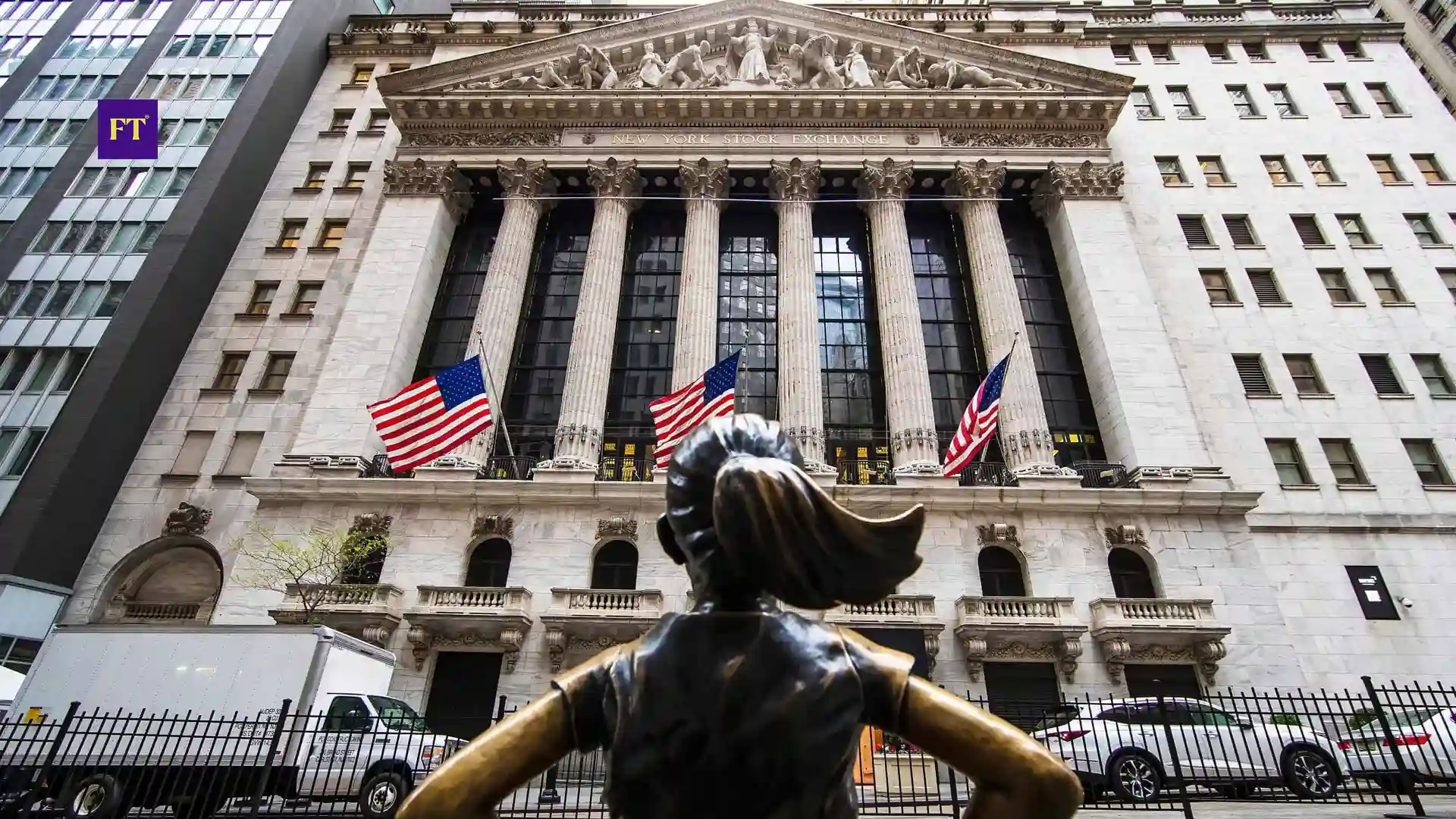
Major U.S. equity indexes rose more than one percent on Monday, reversing losses from the previous week as oil prices pulled back from recent highs. Equities in Asia and Europe also climbed, with investors encouraged by the easing of uncertainty. Oil had been a major source of concern, with Brent crude and U.S. West Texas Intermediate futures surging in recent weeks due to reports of potential disruptions around the Strait of Hormuz, a vital route for global energy trade.
Equity Gains Follow Oil Retreat: The drop in crude prices lifted equities that had been under pressure, particularly in sectors sensitive to energy costs. Investors reassessed valuations after the spike in oil added concerns about rising costs and slower growth. The absence of immediate military escalation removed a key uncertainty, allowing markets to recover without fully reversing earlier declines.
Bond Yields and Monetary Expectations: Government bond yields moved lower as traders sought safer assets, reflecting expectations for more cautious monetary policy. Lower yields suggested that central banks might not need to respond aggressively to commodity-driven price swings in the near term. The U.S. dollar softened slightly, while some emerging market currencies remained under pressure from prior energy-driven volatility. These movements highlighted how financial markets respond not only to geopolitical events but also to anticipated policy actions.

Energy Prices and Trade Risks
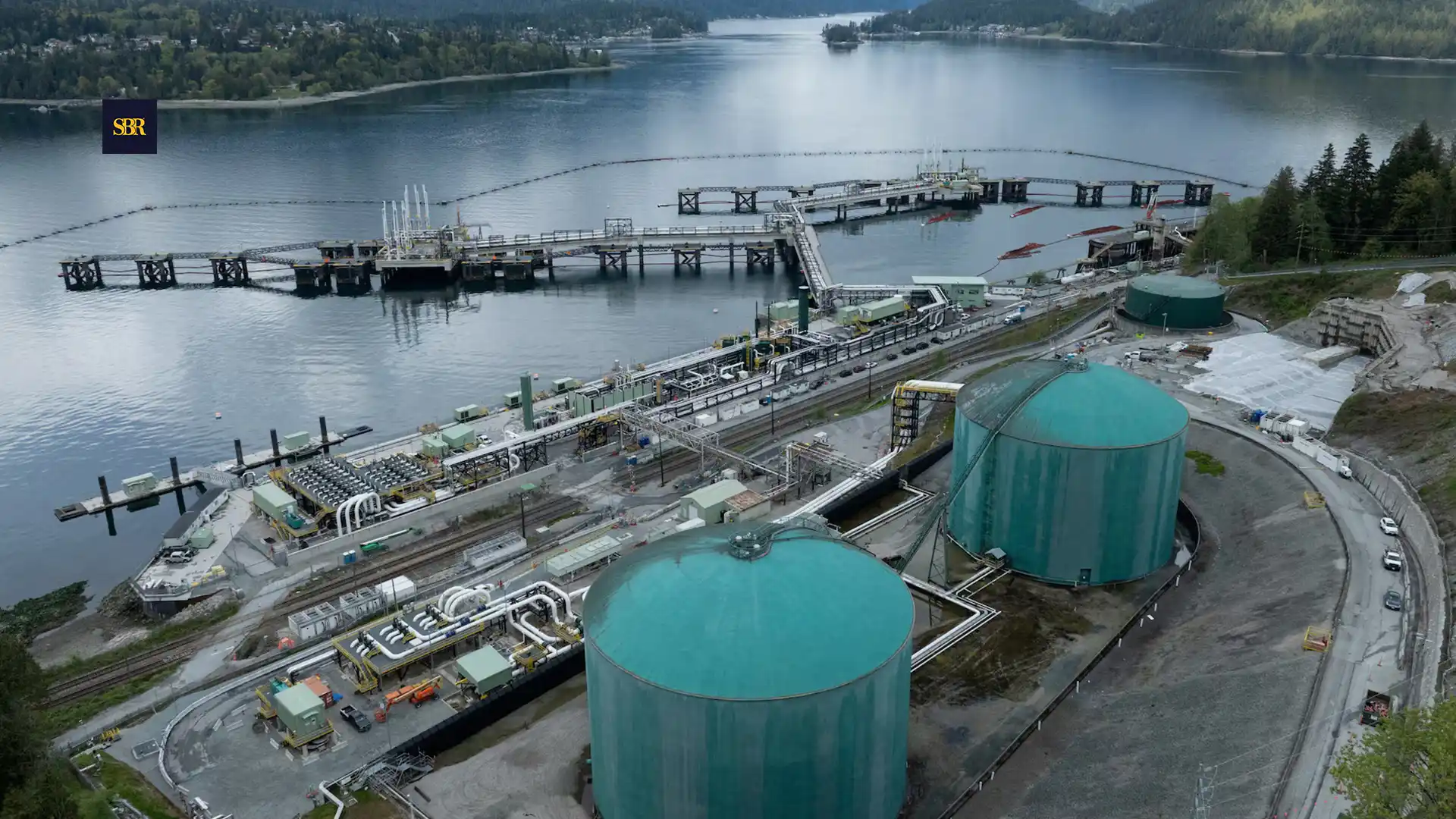
Energy markets, which had driven recent stock market losses, reacted sharply to the U.S. announcement. Brent crude had surged above $110 per barrel before pulling back from its recent peak. The decline in oil prices eased immediate worries about supply disruptions, giving investors some breathing room as they kept a close watch on the Strait of Hormuz.
Even with oil prices falling, markets stayed volatile as traders tried to gauge whether the pause in tensions would last or if conflict could flare up again. The episode highlighted how quickly market sentiment can shift when geopolitical events threaten commodity flows and trade routes.
Geopolitical Ambiguity Persists
While the United States framed the delay as a pause following discussions, Iranian officials denied any negotiations, calling the move a retreat rather than a breakthrough. Conflicting statements left markets uncertain about whether hostilities would ease sustainably or if the lull was temporary. Monday’s gains reflected relief from immediate threats rather than confidence in a long-term resolution.
Traders remained cautious, aware that new developments or statements from leaders could quickly reverse market trends. Equities, bond yields, and currencies continued to respond to each headline, illustrating the close connection between financial markets and geopolitical events.
Economic Outlook
The events also carry implications for inflation and monetary policy. Energy costs affect transportation and manufacturing, influencing consumer spending and overall growth. Central banks had been monitoring heightened commodity-driven inflation, and the retreat in oil prices offered temporary relief, reducing pressure on interest rate decisions.
Investors also tracked data on economic growth and labor markets to see whether fluctuations in energy costs might affect momentum. The episode demonstrated how markets respond not only to geopolitical shocks but also to the broader interaction between commodities, inflation, and monetary policy.
What Comes Next
Investors will continue to monitor both geopolitical developments and economic indicators in the days ahead. A pause in military action does not guarantee a resolution, especially with conflicting statements leaving ambiguity.
For now, equities have rebounded and oil prices have eased, providing relief from recent volatility. Still, traders are ready to adjust positions if tensions flare again. The path of global markets will continue to be shaped by events that go beyond traditional economic indicators, reflecting the interconnectedness of geopolitics, commodities, and financial assets.
Even with oil prices falling, markets stayed volatile as traders tried to gauge whether the pause in tensions would last or if conflict could flare up again.