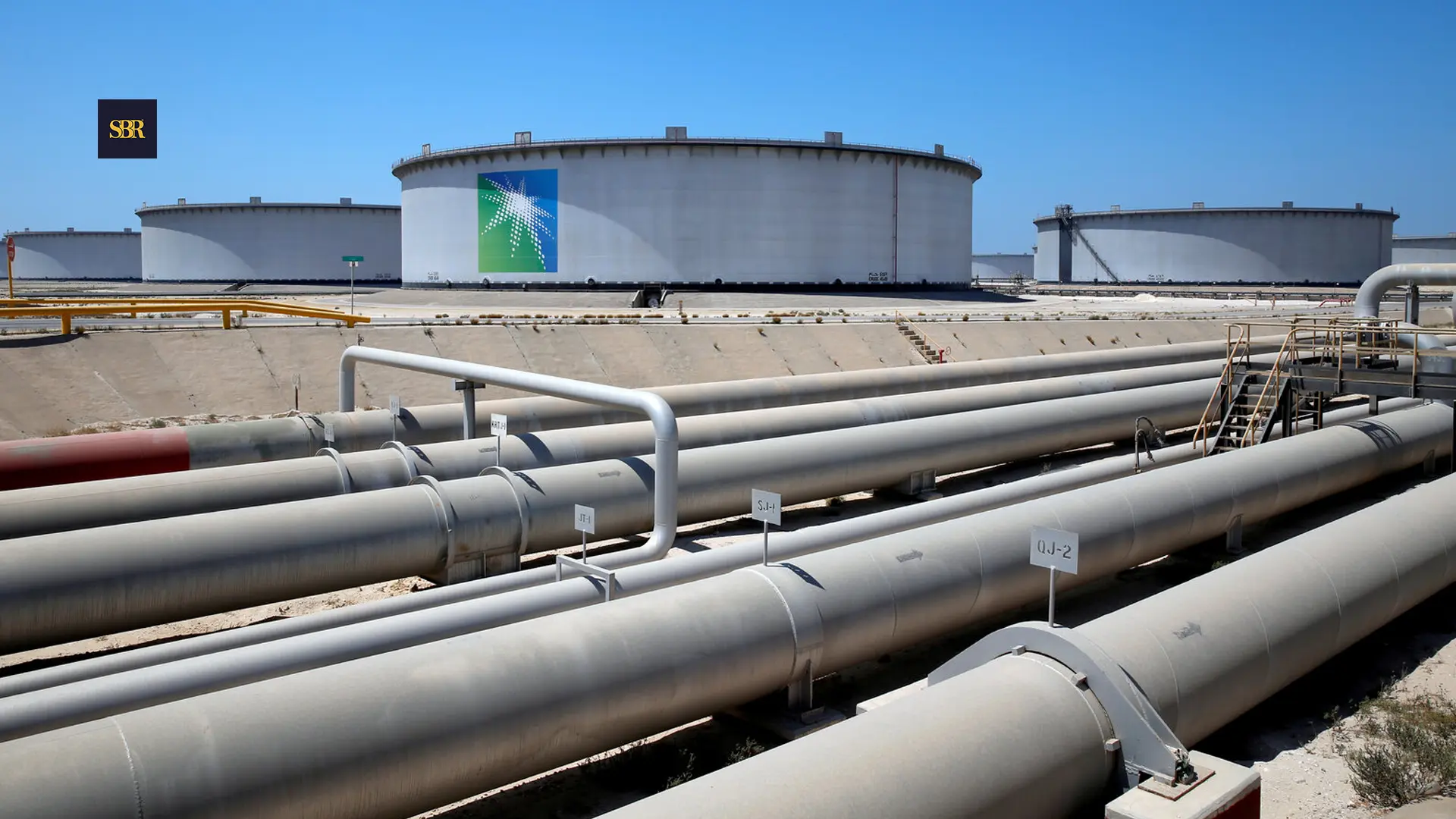
RIYADH, Saudi Arabia, Sept. 14, 2026 — Saudi Arabia’s East-West pipeline has become an important outlet for the kingdom’s oil amid disruptions in the Strait of Hormuz. The 1,200-kilometer route can carry about 4 million barrels of crude a day to Yanbu on the Red Sea, allowing Saudi exports to bypass the Gulf shipping corridor. A drone attack forced the pipeline to shut, cutting off a route that can carry oil equivalent to about 4% of global supply.
The timing makes the outage particularly significant. Saudi Arabia’s oil production had already fallen to 6.2 million barrels a day in August from 10.9 million barrels a day in February, according to figures Riyadh reported to OPEC. At the same time, oil flows through the Strait of Hormuz have fallen sharply from their prewar level. The loss of another major export route leaves fewer ways for Saudi crude to reach international buyers.
Yanbu Has Limited Time to Offset the Disruption
The immediate question is how long Saudi Arabia can keep exports moving without the pipeline. Industry sources estimate that storage at Yanbu can cover only five to seven days of exports. Saudi Arabia also holds oil at Egypt’s Ain Sukhna and Sidi Kerir ports, providing additional barrels for a limited period. Those inventories can delay a larger supply loss, but they cannot replace a pipeline capable of carrying millions of barrels every day.
The repair timeline will therefore matter to oil buyers around the world. Sources gave estimates ranging from a shorter repair period to five or six weeks. Partial pumping could resume before all repairs are completed, but a prolonged shutdown would leave Saudi Arabia dependent on inventories and other routes while its production is already well below earlier levels. If stored crude runs down before the pipeline resumes, refiners and other buyers would have to compete for fewer available barrels.

Another Supply Loss Could Push Oil Prices Higher
Oil prices have already responded to the disruption. Brent crude rose above $108 a barrel after the latest attacks, while gasoline, diesel and jet fuel prices remained well above levels recorded before the current Middle East conflict. The market is reacting not only to the Saudi pipeline outage but also to reduced shipping through the Strait of Hormuz and attacks on other regional energy and transport infrastructure.
The supply picture leaves little room for another major interruption. The International Energy Agency expects global oil supply to fall by 5.7 million barrels a day, or about 6%, in 2026. The Middle East was producing roughly 22 million barrels a day before the war, while flows through Hormuz have fallen to between 6 million and 9 million barrels a day, according to industry sources. Another reduction from Saudi Arabia would add to losses elsewhere and could push crude prices higher as buyers account for tighter availability.

Photo credit: NYT
The Global Economy Has Little Room for Another Shock
Higher oil prices do not stop with crude producers and refiners. Fuel costs affect trucking, airlines, shipping companies, manufacturers and retailers. Diesel and gasoline become more expensive to purchase and transport, while petroleum is also used in products ranging from plastics to industrial chemicals. Businesses may pass some of those costs to customers, adding to inflation.
Financial markets are already reflecting that concern. Reuters reported that oil prices above $108 a barrel have coincided with higher government bond yields, while markets are pricing in further Federal Reserve rate increases. The U.S. 10-year Treasury yield reached 5% as investors assessed the effect of higher energy costs on inflation. Saudi Arabia’s pipeline outage also shows that an alternative oil route does not eliminate security risks. Crude must still move through pipelines, ports, tankers and refineries, and the loss of one link can affect prices and business costs far beyond the Middle East.
Oil prices have already responded to the disruption. Brent crude rose above $108 a barrel after the latest attacks, while gasoline, diesel and jet fuel prices remained well above levels recorded before the current Middle East conflict.