a-metal AG is a Swiss company that offers metal 3D printing solutions for in-house manufacturing. The company’s compact system enables manufacturers to produce metal components in-house through proprietary mechanical, electronic, software, and firmware components. The system is designed for users that want to produce metal components on-site, supporting a-metal AG’s vision of making metal 3D printing accessible to a wider industrial customer base.
The printer, screening station, and associated costs total less than CHF 100,000. The printer is priced at CHF 80,000, the screening station at CHF 8,750, and fixed operating costs total CHF 5,800 per year. The system uses a research-based powder-feed system and a cartridge-based material setup, allowing the equipment to be installed in existing workshops and laboratories without requiring a large footprint.
Compact Equipment for Workshops and Laboratories
The printer measures approximately 800 millimeters wide, 1,000 millimeters deep, and 1,750 millimeters high. The accompanying screening station measures about 320 millimeters wide, 610 millimeters deep, and 1,550 millimeters high. The work area requires approximately 2,000 millimeters by 1,800 millimeters of space. The research-based powder-feed system reduces the space required for the equipment, allowing the printer to fit into existing workshop or laboratory settings.
The system uses cartridges for metal powder, with up to four cartridges available for larger components. The screening station allows unused residual powder to be sieved and returned to cartridges for reuse. Available materials include stainless steel 1.4404 (X2CrNiMo17-12-2), tool steel 1.2709 (X3NiCoMoTi18-9-5), Ni-718 (2.4668; NiCr19Fe19Nb5Mo3), cobalt-chromium (CoCrW; Co 60.5%, Cr 28%, W 9%, Si 1.5%) and Ni-C22 (2.4602; NiCr21Mo14W).
Sensor-Guided Operation and Powder Handling
The closed cartridge system enables clean handling of metal powder, while the printer includes an integrated glove box for depowdering. The sensor-based user interface guides operators through the printing process, allowing users without a technical background to operate the system after a brief training session. A print job can be started within about 30 minutes through the user interface.
The workflow starts with loading the required metal powder into the cartridges before initiating the print job. After printing, the component can be depowdered using the integrated glove box without additional protective equipment. Residual powder can then be processed through the screening station, where unused material is sieved and returned to cartridges for reuse. The workflow incorporates material loading, printing, depowdering, and powder recovery within the same equipment setup.
From Printed Component to Finished Part
The printer produces components with almost 100% density. Once depowdered, a printed component can undergo post-processing using established manufacturing methods, allowing manufacturers to apply finishing and machining processes used with conventionally produced metal parts. The material range includes stainless steel, tool steel, nickel-based alloys and cobalt-chromium alloy, providing options for different component requirements and applications.
With a printer price of CHF 80,000, a screening station priced at CHF 8,750 and fixed operating costs of CHF 5,800 per year, the system provides an in-house metal 3D printing setup with a compact equipment footprint. The configuration incorporates powder loading, metal printing, integrated depowdering, powder screening and powder reuse, while the sensor-based interface allows operators without a technical background to begin using the system after training.
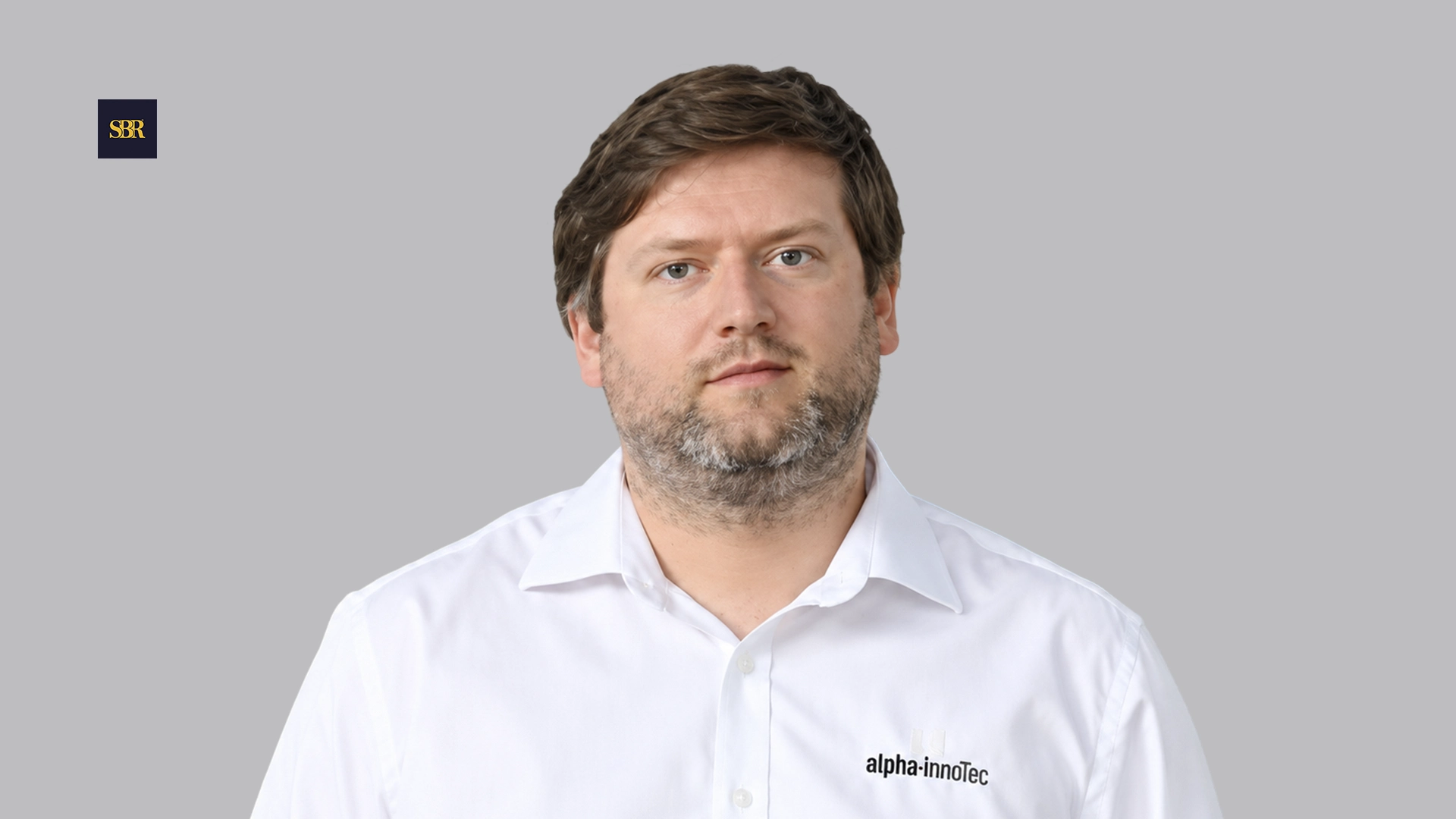
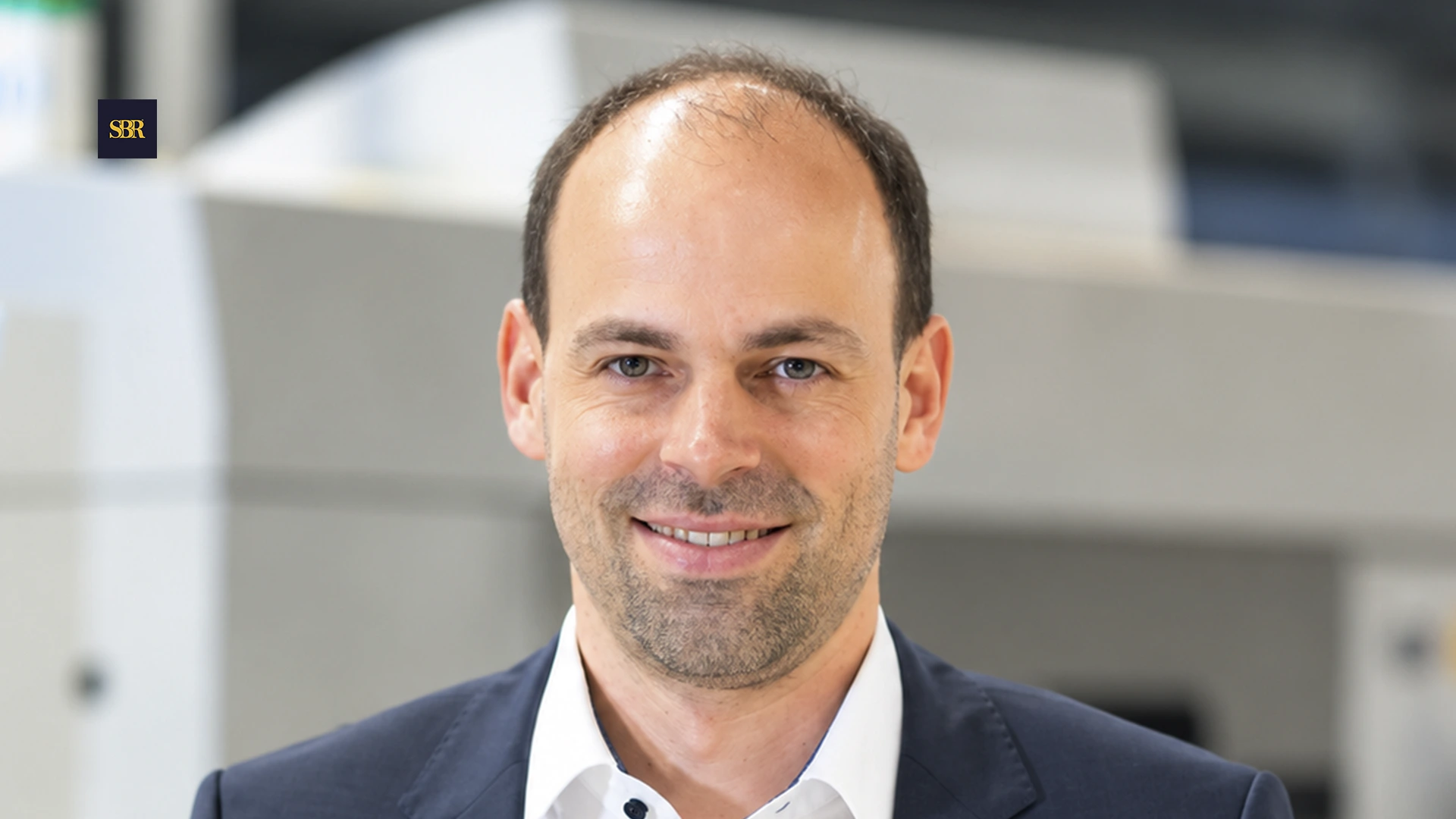
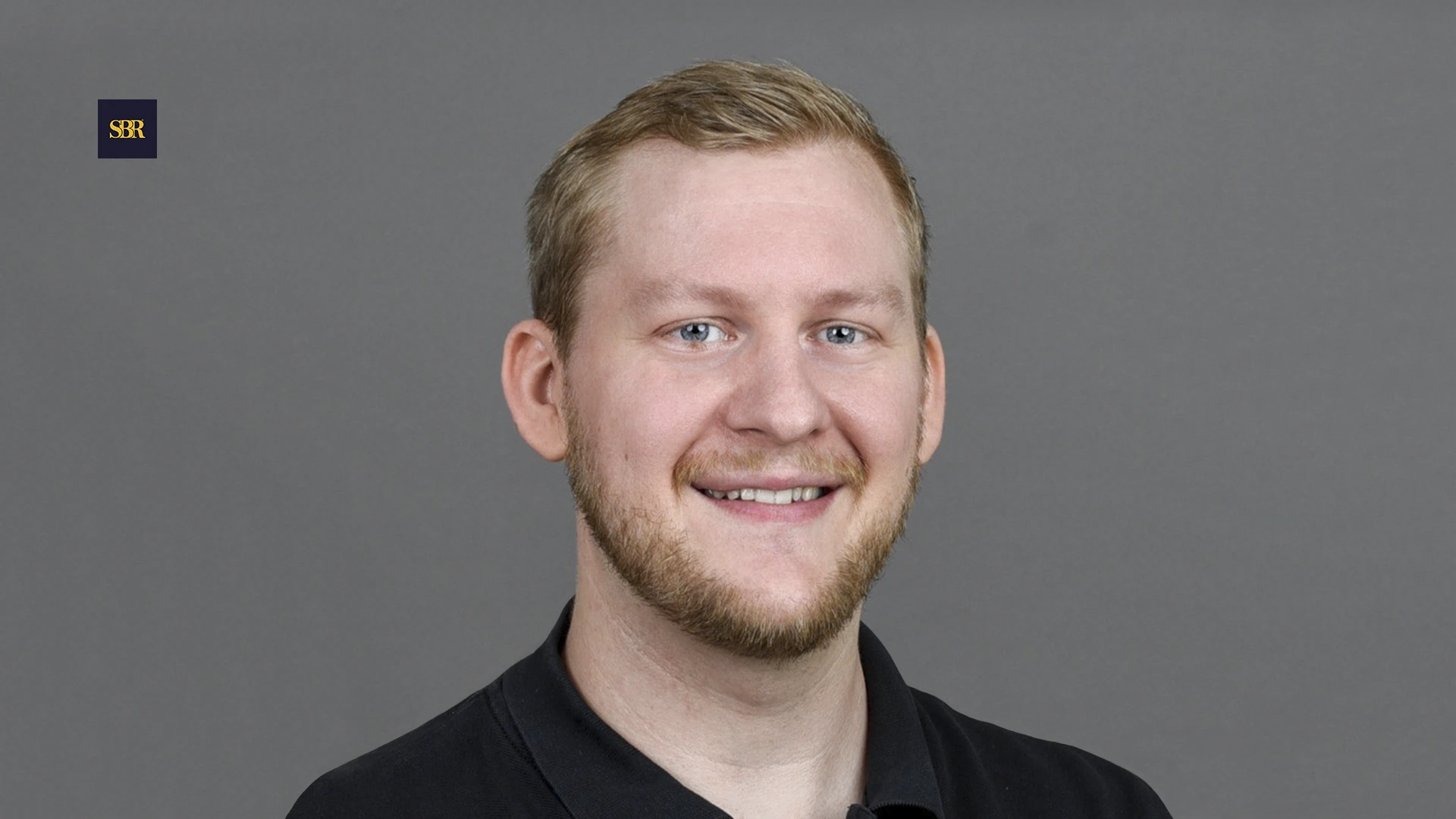
ABOUT | STEPHAN STEINER
Stephan Steiner, co-founder, is the CEO of a-metal AG, a Zurich-based advanced manufacturing company developing compact metal 3D-printing systems for SMEs, industrial users and small development teams. At a-metal, he leads the company’s strategic direction as it works to make in-house metal additive manufacturing more accessible to companies that may not have the resources, space or specialist personnel required for conventional industrial systems.
Steiner holds a Master’s degree in Mechanical Engineering from ETH Zurich, with a focus on manufacturing technologies. His professional background spans industrial and research work in additive manufacturing, automation and production technologies, giving him experience across both the technical and commercial dimensions of advanced manufacturing.
His work at a-metal is closely connected to the company’s goal of lowering the barriers to metal 3D printing. The company emerged from research and technology development linked to ETH Zurich and the University of Applied Sciences Northwestern Switzerland. Its manufacturing system is designed around a compact form factor, automated powder handling and sensor-assisted operation, reducing the infrastructure and specialist knowledge traditionally associated with metal additive manufacturing.
Under Steiner’s leadership, a-metal has progressed from technology development and proof-of-concept work to pilot applications, customer deployments and commercial preparation. The company has worked through successive stages of machine development, pilot production and market validation as it prepares to expand its product offering and commercial presence.
Steiner also participates in industry conferences and discussions on additive manufacturing and advanced production technologies. His presentations have addressed the barriers that can prevent smaller companies from adopting metal 3D printing, including equipment costs, space requirements, powder handling, process complexity, and operator requirements.
His work reflects the growing role of distributed and in-house manufacturing, where companies can produce metal components closer to the point of use rather than relying entirely on external suppliers or centralized production facilities. a-metal's target users include SMEs, educational institutions, development teams, dental laboratories, and other organizations that require a compact metal additive-manufacturing solution.
Steiner’s professional work sits at the intersection of mechanical engineering, additive manufacturing, and industrial commercialization. Through a-metal, he is working to translate metal 3D-printing technology from specialized industrial and research environments into a manufacturing system that smaller companies can integrate into their own operations.