The development of implantable medical devices represents one of the most demanding areas within medical technology, requiring the integration of advanced engineering, clinical expertise, materials science, electronics, and precision manufacturing. As healthcare moves toward more personalized and technology-driven interventions, neurotechnology has emerged as a field where sophisticated implants, neural interfaces, and wearable systems are being explored to address neurological disorders, restore lost functions, and improve patient care.
Bringing these technologies from research laboratories into clinical settings requires specialized knowledge across the entire development process. Engineers and medical innovators must overcome challenges related to miniaturization, biocompatibility, power management, signal processing, device reliability, and regulatory requirements. From early-stage concepts and prototypes to first-in-human studies and scalable manufacturing, each stage requires careful validation to ensure devices meet the highest standards for safety and performance.
neo-bionica is a medical technology company specializing in the development and translation of Class III implantable medical devices for human use. Headquartered in Melbourne, Australia, with a presence in the United States, the company collaborates with medical technology innovators worldwide to translate early-stage neurotechnology concepts into clinical-grade devices and manufacturing solutions. Through its ISO 13485-certified quality system, neo-bionica provides expertise across systems engineering, implantable power systems, electrode fabrication, firmware development, device miniaturization, and regulatory readiness, with a focus on implantable and wearable technologies for neuromonitoring and neuromodulation applications.
As a contract development and manufacturing organization (CDMO), neo-bionica works with medical device startups, university spinouts, research hospitals, clinician-researchers, growth-stage neurotechnology companies, and global medical technology organizations to develop devices from early concepts through first-in-human studies. The company’s capabilities span bioelectronic implants, active implantable medical devices (AIMDs), neurostimulation and monitoring systems, body-worn therapies, surgical tools, and custom Class II and Class III medical devices. Its expertise includes hermetic enclosures, silicone leads, custom neural interfaces, implantable pulse generator (IPG) and external pulse generator (EPG) units, custom printed circuit board (PCB) layouts, telemetry coils, and magnetic systems for applications such as chronic pain, neurological disorders, sleep and respiratory health, pelvic health, brain-computer interfaces, regenerative therapies, hearing restoration, vision restoration, and other specialized medical fields.
Clinical-Grade Infrastructure for Implantable Device Development
neo-bionica operates clinical-grade development infrastructure within St. Vincent’s Hospital Melbourne, providing direct interaction with clinical collaborators and surgical users throughout the device development process. The company’s facilities include ISO-7 certified cleanrooms, laser seam welding and hermeticity testing capabilities, custom microfabrication and precision machining resources, high-reliability electronics assembly and validation systems, and rapid prototyping facilities. This infrastructure enables the development, testing, and refinement of implantable medical devices while maintaining rigorous quality standards and addressing manufacturing requirements from early development through clinical translation.
neo-bionica provides end-to-end engineering and manufacturing capabilities across the device development lifecycle, including electronic circuit design, miniaturization, mechanical design, embedded firmware and software development, systems integration, automated testing, performance validation, precision fabrication, cleanroom assembly, and regulatory documentation. Its manufacturing capabilities include microelectronics and surface-mount technology (SMT) assembly, wire bonding, laser welding, laser marking, encapsulation, sealing, micro soldering, hermeticity testing, biocompatibility assessment, design verification, clinical trial builds, and traceable small-batch production under an ISO 13485:2016-certified quality management system.
LUDOVIC LABAT | CEO
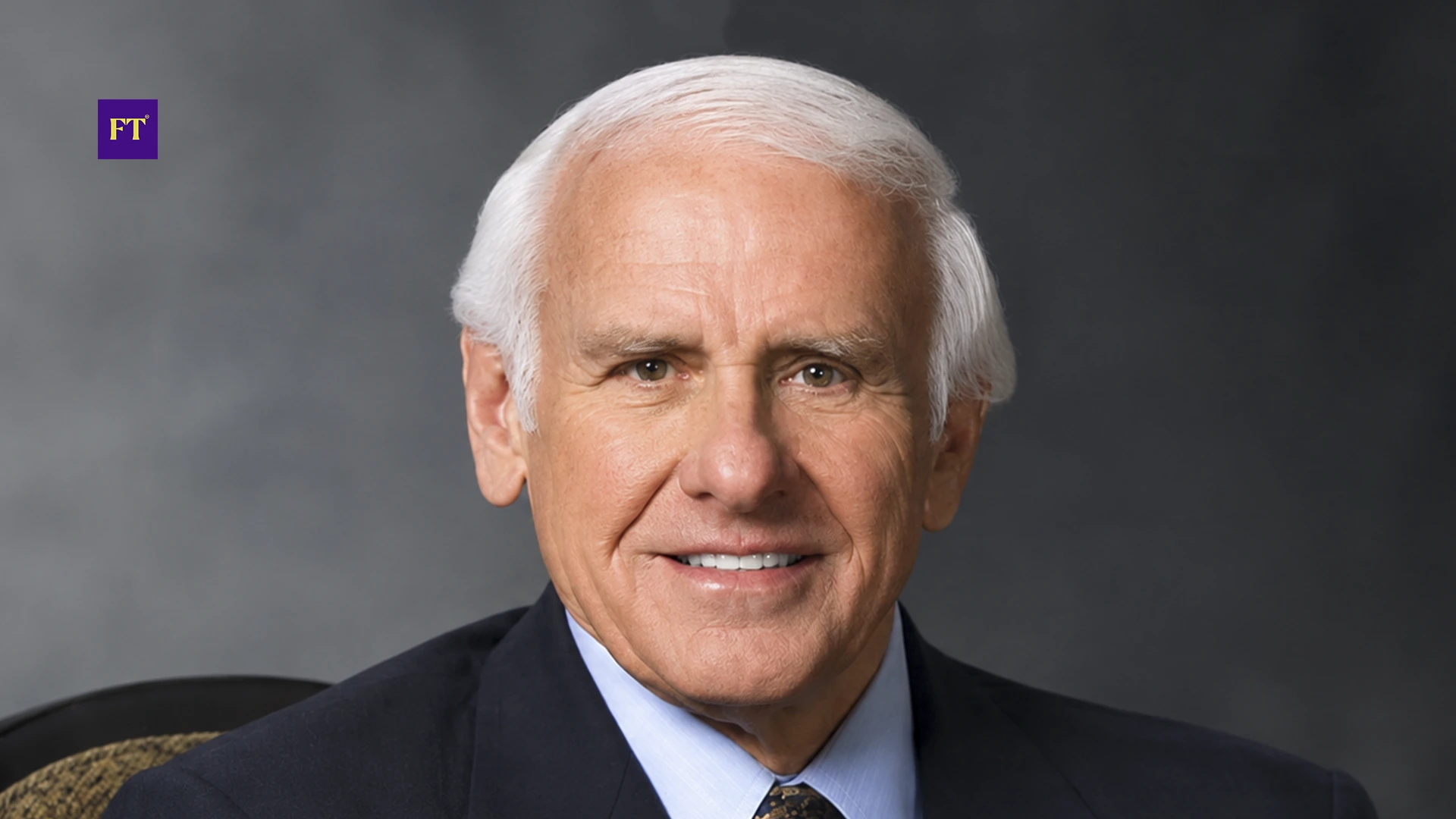
Ludovic Labat is the Chief Executive Officer of neo-bionica, a medical technology development and manufacturing organization specializing in implantable and wearable electronics, electrodes, and neurotechnology devices. He leads the company’s efforts to translate early-stage medical technology concepts into clinical-grade solutions through engineering, manufacturing, and development capabilities.
At neo-bionica, Labat oversees the company’s work in implantable medical devices, neuromonitoring systems, and neuromodulation technologies, helping innovators progress from initial concepts through prototyping, testing, validation, and clinical development. Under his leadership, neo-bionica continues to expand its capabilities in Class II and Class III medical device development, supporting the creation of advanced technologies for neurological and other healthcare applications.