Sleep is fundamental to physical and cognitive health, yet for millions of people, the hours spent asleep are repeatedly interrupted by a problem they may not even fully recognize. Obstructive sleep apnea (OSA) occurs when the upper airway repeatedly narrows or becomes blocked during sleep, interrupting normal breathing and disrupting the body’s natural sleep cycle. These episodes can occur throughout the night, leaving patients with fragmented sleep and contributing to daytime fatigue and impaired quality of life.
The consequences extend beyond poor sleep. OSA is associated with an increased risk of serious health conditions, including cardiovascular disease, depression, and stroke. The condition also presents a persistent challenge for long-term treatment because managing it effectively depends not only on whether a therapy works physiologically, but also on whether patients can use it consistently as part of their everyday lives.
Continuous positive airway pressure (CPAP) has long been a principal treatment for OSA, using a mask and continuous airflow to help prevent the airway from collapsing during sleep. For some patients, however, the mask, airflow, equipment, or nightly routine can make sustained use difficult. Others may have tried CPAP without achieving an acceptable treatment experience or may decline it altogether. These limitations have created a need for alternatives that address airway obstruction through a different mechanism.
Neurostimulation offers one such approach. Instead of using continuous airflow to maintain airway patency, hypoglossal nerve stimulation uses electrical impulses to activate nerves controlling muscles of the tongue and upper airway. Precisely timed stimulation during sleep can help the tongue move forward and reduce the likelihood of airway obstruction, offering a fundamentally different way to approach the underlying mechanics of OSA.
As neurostimulation technology has progressed, attention has also shifted toward making these therapies practical for long-term use. Implant size, battery requirements, surgical procedures, stimulation control, MRI compatibility, and the patient’s nightly experience all influence how an implantable therapy fits into everyday life. These considerations have helped shape a new generation of sleep-apnea technologies designed to provide an alternative for patients who cannot use conventional approaches.
This evolving treatment landscape has created an opportunity for medical technology companies to pursue therapies that work with the body’s own mechanisms for maintaining an open airway. Among them is Nyxoah, whose technology platform brings bilateral hypoglossal nerve stimulation into the treatment of moderate to severe OSA.
Nyxoah is a medical technology company developing and commercializing solutions for obstructive sleep apnea (OSA). The company’s lead solution platform is the Genio® system, an FDA-approved and CE-marked, user-centered bilateral neurostimulation therapy for moderate to severe OSA. Genio® provides an alternative treatment option for people who cannot tolerate, have failed, or have refused continuous positive airway pressure (CPAP) therapy.
Genio®: A Mask-Free Neurostimulation Option for Sleep Apnea
Genio® is an FDA-approved, mask-free treatment system that uses a battery-free stimulator implanted beneath the chin through a single-incision outpatient procedure. The implanted device delivers bilateral hypoglossal nerve stimulation, prompting the tongue muscles to contract and helping keep the airway open during sleep. An externally powered sleep wearable activates the implanted stimulator, while an optional smartphone app allows patients to start, pause, and adjust stimulation within predefined settings and track device use.
The system requires no implanted battery and is designed for long-term use. Genio® is also suitable for most MRI scans at 1.5T and 3T under specified conditions. Each night, an activation chip connects to a disposable adhesive patch positioned beneath the chin, enabling stimulation during sleep. The wearable is removed after waking.
Approximately 90% of users report satisfaction with Genio®, while 82% achieve mild or better sleep apnea following treatment. More than 20,000 successful nights of Genio® sleep therapy have also been recorded.
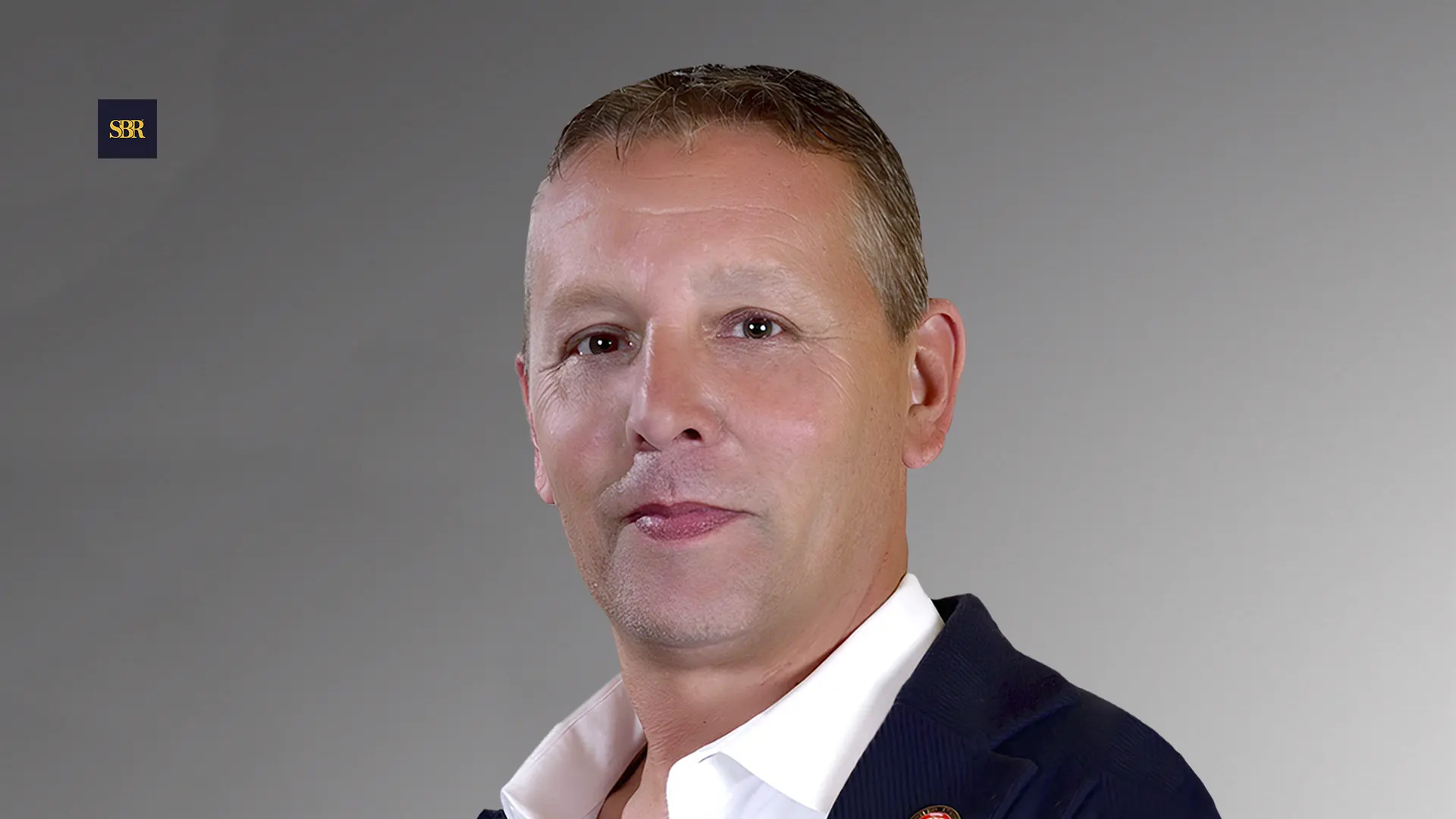
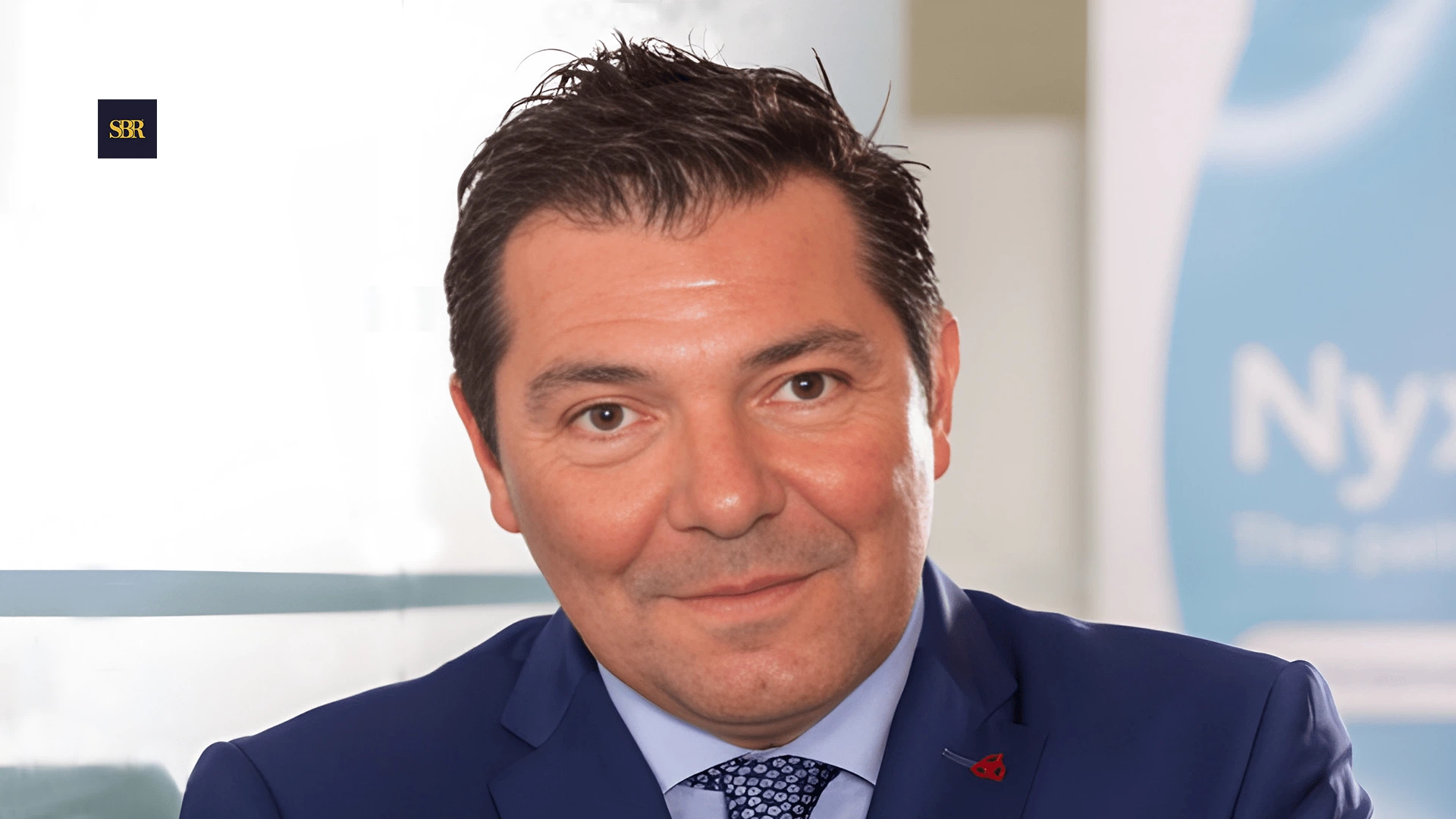
OLIVIER TAELMAN | CEO
Olivier Taelman has played a central role in Nyxoah’s growth in the MedTech sector, helping the company progress from an emerging startup to a global leader in hypoglossal nerve stimulation for obstructive sleep apnea. During his leadership, Nyxoah completed successful IPOs on Euronext and Nasdaq, conducted follow-on equity raises, established At-The-Market and European Investment Bank loan facilities, expanded its presence across Europe and the United States, and secured strategic partnerships to accelerate clinical and commercial progress.
Taelman also led key milestones in the development and commercialization of Genio, including the completion of a pivotal study that met its efficacy and safety endpoints and supported a PMA submission to the FDA. His work has included establishing scalable manufacturing facilities in the United States and Europe, securing FDA approval, launching Genio in the U.S., developing the commercialization strategy, building the sales organization, and obtaining a CPT reimbursement code for Genio. His leadership approach emphasizes navigating complex challenges, fostering a high-performance culture, and delivering solutions intended to improve outcomes for patients.