Miromatrix is a regenerative medicine company developing fully biologic organs through its proprietary perfusion decellularization and recellularization technology. Founded in 2009 based on breakthrough research from the University of Minnesota, the company focuses on creating bioengineered organs and therapies designed to address the global shortage of donor organs and expand access to life-saving transplant solutions.
The company’s technology platform uses decellularization to preserve the natural structure of organs and recellularization to repopulate those structures with living cells. Miromatrix is applying this approach to develop transplantable organs, including bioengineered kidneys (mirokidney®) and livers (miroliver®), as well as a bioengineered external liver assist device for acute liver failure (miroliverELAP®). The company is also exploring applications for other critical organs, including lungs, pancreases, and hearts.
Miromatrix’s technology is backed by extensive preclinical and clinical research, along with previously commercialized FDA-cleared matrix products. The company has achieved several regulatory and clinical milestones, including FDA Investigational New Drug (IND) clearance for miroliverELAP®, completion of the first Phase I clinical trial of a bioengineered liver therapy, and receipt of Regenerative Medicine Advanced Therapy (RMAT) designation from the FDA.
Headquartered in Eden Prairie, Minnesota, Miromatrix was founded from academic research at the University of Minnesota and was acquired by United Therapeutics Corporation in 2023, becoming a wholly owned subsidiary. The company holds more than 140 issued patents and over 40 pending patent applications across the United States and other major markets worldwide.
Technology
Miromatrix’s technology platform is based on proprietary perfusion decellularization and recellularization processes that enable the development of bioengineered human organs. The company uses porcine organs as biological scaffolds because of their significant anatomical and vascular similarities to human organs. Through its patented perfusion decellularization technology, Miromatrix removes porcine cells while preserving the extracellular matrix (ECM), including the organ’s architecture, mechanical properties, and vascular network.
The company then uses perfusion recellularization to introduce functional human cells into these decellularized scaffolds, with the goal of creating fully functional bioengineered organs. This process takes place in bioreactors designed to support cellular regeneration and organ functionality. Miromatrix’s technology platform is being applied to develop transplantable organs and has also supported FDA-cleared products based on its decellularized tissue technology.
Perfusion Decellularization
Miromatrix’s perfusion decellularization technology addresses the limitations of traditional immersion decellularization, which is generally unable to process whole organs due to limited detergent penetration. The company’s approach uses the organ’s native vascular system to deliver a mild detergent solution throughout the tissue, enabling the removal of cellular material while preserving the organ’s extracellular matrix, microenvironment, vascular network, and structural integrity.
The resulting biological scaffold provides the foundation for Miromatrix’s recellularization process, allowing the introduction of organ-specific human cells and creating a pathway toward the development of functional bioengineered organs.
Perfusion Recellularization
Miromatrix’s perfusion recellularization technology uses the biological scaffolds created through its decellularization process as templates for growing functional tissues and organs. Because the scaffolds preserve the native vascular network, different cell types can be introduced through existing pathways and distributed throughout the organ structure.
The company has developed automated systems that replicate natural vascular conditions to help cells grow, mature, and organize within the recellularizing organs. By leveraging the biological properties of these scaffolds, Miromatrix aims to support the development of transplantable bioengineered organs that can potentially be used with existing transplantation techniques.
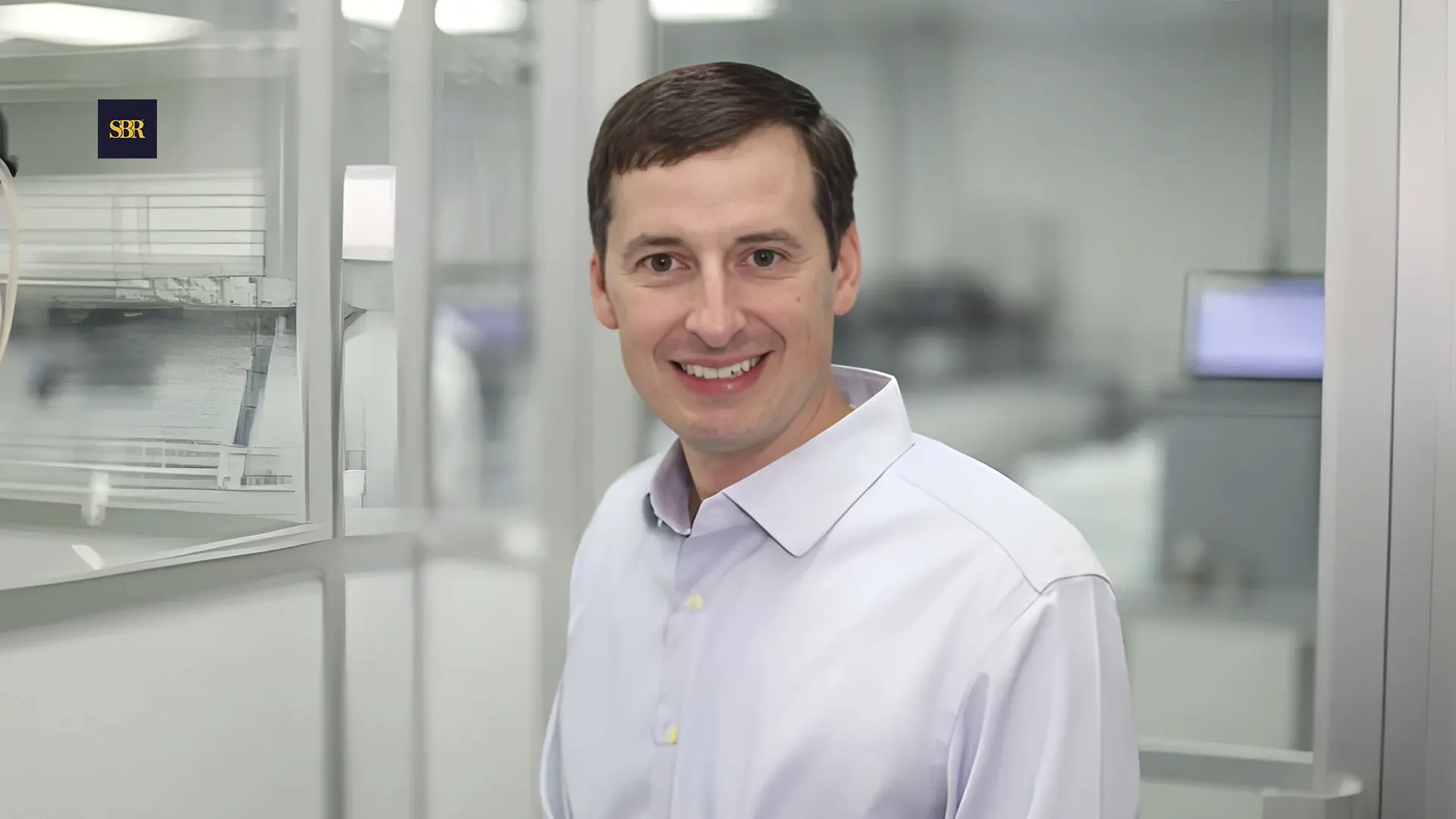
JEFF ROSS, PH.D. | PRESIDENT
Jeff Ross, Ph.D., is President of Miromatrix, a United Therapeutics company focused on developing bioengineered organs through regenerative medicine technologies. He brings more than two decades of experience in regenerative medicine, biologics, medical devices, and commercialization.
Dr. Ross joined Miromatrix in 2010 and has played a key role in advancing the company’s perfusion decellularization and recellularization technologies, from early research and development through manufacturing and regulatory milestones. Previously, he held technical and leadership roles at Guidant, Athersys, and SurModics, contributing to the development and commercialization of biological therapies.
Dr. Ross holds a Ph.D. in Molecular, Cellular and Developmental Biology and an M.S. in Biomedical Engineering from the University of Minnesota. He is the author of numerous scientific publications and holds more than 30 issued patents related to biomedical technologies.