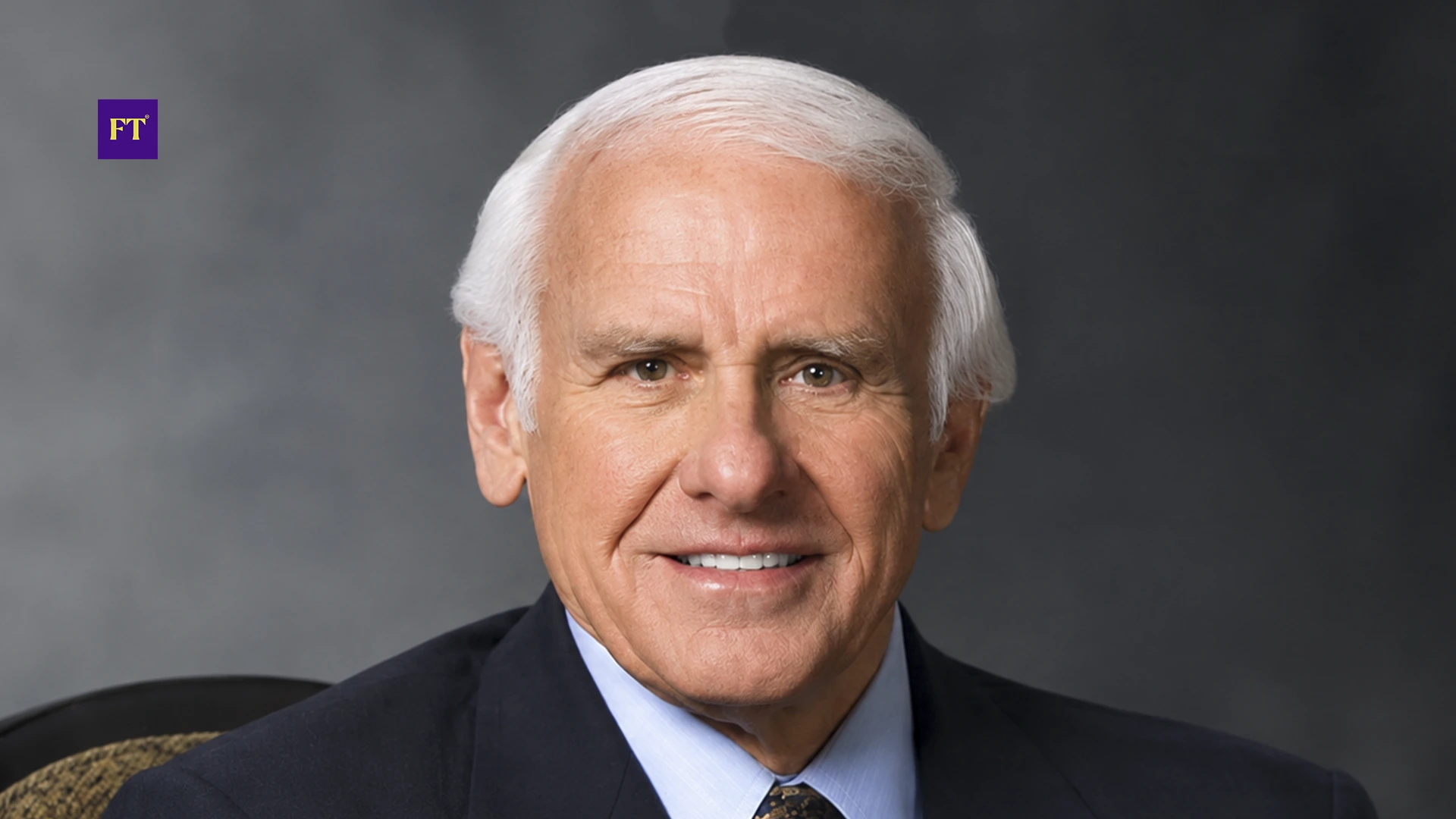
BiVACOR is a medical device company dedicated to developing the world's first long-term, implantable artificial heart for patients with severe heart failure. Founded by biomedical engineer Dr. Daniel Timms, the company has created a Total Artificial Heart (TAH) that utilizes magnetic levitation technology to pump blood, aiming to provide a durable and reliable alternative to heart transplantation. The BiVACOR TAH is designed to replace the native heart, offering hope to patients who are ineligible for or awaiting donor hearts. The device has undergone successful preclinical evaluations and early human trials, marking significant progress in the field of artificial organ development.
In Conversation with Daniel Timms, PhD, Founder & CTO of BiVACOR
What motivated you to develop an artificial heart?
The inspiration came from a personal place. My father suffered from heart failure, and witnessing his struggle highlighted the limitations of current treatments and the shortage of donor hearts. This drove me to explore alternatives that could offer patients a sustainable solution.
How did your background influence the design of the BiVACOR TAH?
Growing up, I spent a lot of time with my father, who was a plumber. Working alongside him, I learned about fluid dynamics and mechanical systems. These experiences were instrumental in conceptualizing a device that could effectively replicate the heart's function using rotary blood pump technology.
Could you explain how the BiVACOR TAH functions?
Certainly. The device features a magnetically levitated rotor that remains suspended within the pump, eliminating mechanical wear and reducing the risk of blood damage. This rotor continuously spins to propel blood to both the pulmonary and systemic circulations, effectively replacing the pumping action of the native heart.
What are the advantages of using magnetic levitation in the TAH?
Magnetic levitation allows the rotor to operate without physical contact, minimizing friction and wear. This design enhances the device's durability and longevity. Additionally, the absence of mechanical bearings reduces the risk of blood clot formation, a common issue in traditional blood pumps.
How does the BiVACOR TAH adjust to a patient's varying activity levels?
The device is equipped with sensors that monitor the body's physiological demands. It can adjust the rotor speed accordingly, increasing output during physical activity and decreasing it during rest, thereby mimicking the natural responsiveness of a biological heart.
What challenges did you encounter during the development of the TAH?
Developing a device to fully replace the human heart is a monumental task. Challenges included ensuring biocompatibility, achieving precise control of the rotor, and designing a system that could adapt to the dynamic needs of the human body. Each hurdle required innovative solutions and extensive testing.
Could you share insights from the clinical trials conducted so far?
Early trials have been promising. For instance, a patient in Australia lived with the BiVACOR TAH for over 100 days before successfully receiving a donor heart. These outcomes demonstrate the device's potential as a bridge to transplant and, in the future, possibly as a long-term solution.
How does the TAH impact a patient's quality of life compared to traditional treatments?
Our goal is to provide patients with a level of freedom and normalcy that current treatments may not offer. The compact and efficient design of the TAH aims to allow patients to engage in daily activities with fewer restrictions, improving overall quality of life.
What are the power requirements for the TAH, and how is it managed?
The device is powered by an external battery pack connected via a percutaneous lead. We are actively researching wireless energy transfer technologies to develop a fully implantable system, which would further enhance patient mobility and comfort.
How does the size of the BiVACOR TAH accommodate different patient anatomies?
The TAH is designed to be compact, making it suitable for a wide range of patients, including those with smaller physiques. Its size allows for implantation in both men and women, broadening the scope of patients who could benefit from this technology.
What role does the external controller play in the system?
The external controller allows patients and clinicians to monitor the device's performance and make necessary adjustments. It provides real-time data on pump speed, power consumption, and other critical parameters, ensuring optimal operation tailored to the patient's needs.
How do you envision the future integration of the BiVACOR TAH into standard medical practice?
We aim for the TAH to become a viable alternative to heart transplantation, especially given the limited availability of donor organs. With continued advancements and successful clinical outcomes, we hope it will be integrated into treatment protocols for end-stage heart failure patients worldwide.
What measures are in place to ensure patient safety with the TAH?
Patient safety is paramount. The device has multiple built-in redundancies and undergoes rigorous testing to meet stringent regulatory standards. Continuous monitoring and feedback mechanisms are in place to promptly detect and address any issues that may arise.
How does the TAH handle potential complications such as infection or thrombosis?
The design minimizes areas where blood flow could stagnate, reducing thrombosis risk. To mitigate infection risks, we are exploring advanced materials and techniques to minimize the need for transcutaneous connections, aiming for a fully implantable system in the future.
What collaborations have been instrumental in advancing the BiVACOR TAH?
Collaborations with leading medical institutions and research centers have been crucial. Partnerships with organizations like the Texas Heart Institute have provided valuable clinical insights and facilitated the progression of our clinical trials.
Daniel Timms, PhD, Founder & CTO of BiVACOR