Brilliancy Health is a healthcare technology company serving community and rural hospitals, Critical Access Hospitals, Rural Health Clinics, and EMS agencies. It uses AI, data science, automation, and quantum computing across its technology portfolio, including Luminous, its connected platform for healthcare applications. The company helps resource-constrained providers modernize without replacing the systems they already depend on.
From revenue cycle management and prior authorization to clinical documentation, telehealth, health information exchange, EMS operations, fire reporting, and healthcare intelligence, Brilliancy Health integrates these technologies across healthcare and emergency-response settings, connecting processes from the field to the hospital.
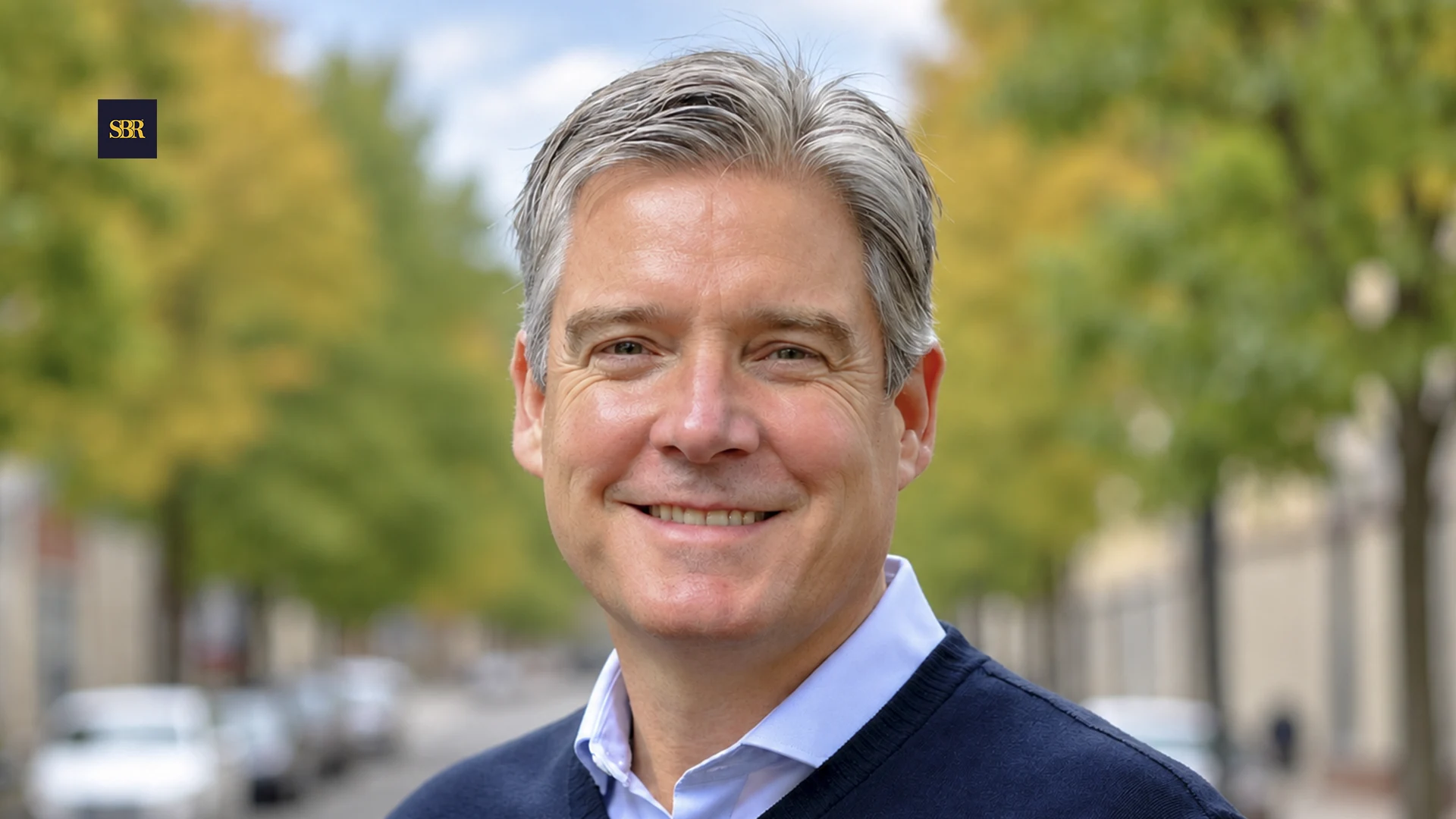
SME BUSINESS REVIEW reached out to Trey Rutledge, co-founder and President of Brilliancy Health, for an interview to discuss the company’s technology portfolio, its work with rural and community healthcare providers, and its vision for the future of healthcare technology. Here’s what Mr. Rutledge had to say.
In Conversation with Trey Rutledge
Could you take us back to the founding of Brilliancy Health and share the vision, opportunity, and market need that influenced the company's direction?
Brilliancy Health started with something our co-founder Phil Abraham saw firsthand. Phil spent years inside healthcare technology at Ave Maria, which became part of Ascension, and at Loma Linda Medical Center. He was close enough to see what no dashboard captured: rural hospitals and acute trauma centers that were chronically underfunded, overwhelmed, and running on legacy software that was never built for their reality.
The need was hard to ignore. Roughly 60% of rural hospitals operate at financial risk, and about 30% of Americans live in rural or underserved areas. At the same time, most healthcare software is designed for systems with hundred-million-dollar IT budgets. Community and rural hospitals have lean teams, tight margins, and no room for a multi-year overhaul.
We also had proof that a different approach worked. At Loma Linda, the methodology Phil helped develop, grounded in complexity science, delivered $42 million in annual savings, reduced readmissions, and increased profit by about $60,000 per bed per year, without disrupting the relationship between doctors, nurses, and patients.
We founded Brilliancy Health, working from KU Innovation Park in Lawrence, Kansas, and as part of the Brilliancy Quantum family of companies, on a simple conviction: the people saving lives in small towns deserve the same tools as any major metropolitan system.
What did Brilliancy Health set out to build for community and rural hospitals, and why?
We set out to build a connected family of technologies that gives community and rural hospitals, and the EMS and fire agencies that serve them, the same caliber of tools as a world-class health system. They shouldn’t have to rip out the systems they already depend on to get there.
Our portfolio covers the full continuum, from the field to the bedside:
NexEMS: Next-generation EMS operations and patient-care technology.
NexFire: A modern technology platform built around how fire services actually operate.
NexCommand: Command, coordination, operational visibility, and decision support for public safety.
NexMed: Technology designed to simplify and improve clinical workflows.
Axia.ai: AI-powered intelligence and workflow automation for healthcare.
PocketMD: An AI clinical copilot that helps physicians with clinical questions, documentation, coding, and point-of-care workflows.
ABSON.ai: AI-powered medical-record intelligence for attorneys and medical experts.
The ‘why’ comes down to three things. First, fiscal strain: thin margins and unpredictable reimbursement keep rural hospitals from investing in modern technology. Second, fragmentation: EMS, fire, command, and clinical teams often work in separate systems that don’t talk to each other, which leads to missed billing, slower response, and lost information at every handoff. Third, trust: these organizations can’t afford a bet that doesn’t pay off. That’s why our model is success-based. There’s no upfront cost, and our fees are tied to measurable improvement. We grow when our partners grow.
How does Brilliancy Health serve RHCs, and what does that entail?
Rural Health Clinics (RHCs) are often the front door to care for an entire county, and they run with very small teams. We start by finding their biggest problem, proving we can fix it, and then expanding from there. We would rather start with a conversation than a demo.
For RHCs, that usually starts with revenue and documentation. SwiftAuth automates prior authorization and denial management. PocketMD, integrated into Axia, provides ambient documentation, evidence-based guidance, and coding intelligence, so providers spend less time charting, and the clinic captures the revenue it has already earned. Axia’s telehealth extends the reach of the clinic’s providers, and Helixa helps care teams manage patients with diabetes, hypertension, and other chronic conditions before they end up in the emergency department.
Because everything connects through Luminous and our EMS-to-hospital coordination tools, an RHC is not an island. It’s linked to the hospitals and EMS agencies its patients depend on. Implementation takes weeks, not years, and the model is success-based, so the clinic takes on no upfront risk.
What specific offerings does Brilliancy Health offer to CAHs, and how do they make a difference?
Critical Access Hospitals (CAHs) have 25 or fewer beds, and every dollar matters. Our offerings for CAHs focus on four areas:
Revenue cycle and prior authorization: SwiftAuth wins prior authorizations in seconds, identifies denial patterns by payer, procedure, and provider, and generates evidence-backed appeal letters automatically. Participating hospitals have raised first-pass approval rates from about 60% to 95% and seen an average 60% gain in prior-authorization revenue capture. Pricing is a percentage of increased revenue, with no first-year license fee.
A unified health information system: Axia brings EHR, HIE, HR, payroll, telehealth, and ambient scribe together, with more than 40 rural deployments. Hospitals adopt it in phases, and each phase proves its value before the next begins.
Quality and compliance: Abson.ai automates quality reporting, peer review, and CMS compliance, so the hospital stays audit-ready without adding staff.
Operations and EMS coordination: Command-center visibility and our RURA Coordination Center support real-time routing, transfer coordination, and CMS milestone reporting.
The difference shows up on the bottom line. Our platform has delivered about $60,000 per bed per year in additional profit. For a 25-bed CAH, that’s roughly $1.5 million a year, often the difference between operating in the black and facing closure. It also comes with better outcomes and fewer readmissions.
What is the biggest problem Brilliancy Health is solving for EMS agencies today?
Fragmentation. Rural EMS and fire agencies are stretched thin, and many still run on paper or on disconnected systems: one for dispatch, one for patient care reports, one for billing, and another for fire reporting. That costs time in the field, when seconds matter. It also costs revenue in the back office, where incomplete documentation leads to denied claims.
NexEMS solves that with four connected products working as one system:
NexPCR: Structured, NEMSIS-compliant patient care reporting with HL7/FHIR handoff directly to the receiving hospital.
NexCommand: Multi-agency CAD dispatch with live maps and mutual aid coordination, averaging under 90 seconds from dispatch to unit notification.
NexFire: NERIS-compliant fire incident reporting.
NexMedical: Clinical documentation.
Built-in billing automation and QA flag incomplete records before submission, and agencies have seen an average 35% improvement in collection rates.
Just as important, NexEMS connects the ambulance to the hospital. When EMS and hospital data flow together, the receiving team is ready before the patient arrives, and the whole region gets a clearer picture of what’s happening in its community.
What can you tell us about your leadership team and the experience each leader brings to Brilliancy Health?
Our team brings decades of experience in healthcare operations, EMS, and hospital technology. We’ve worked at the bedside, inside health systems, in insurance, and in public-sector operations, not just in software.
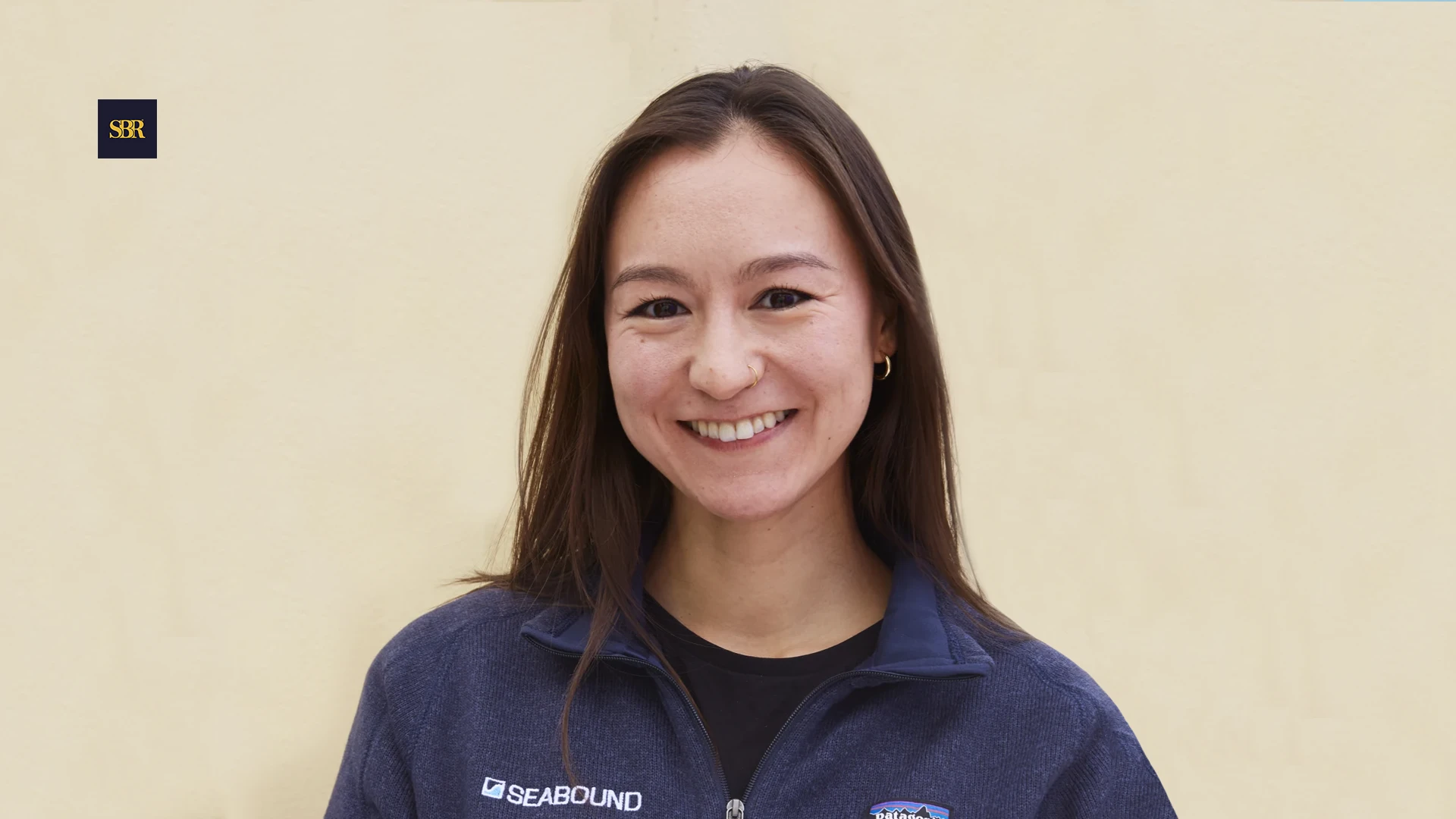
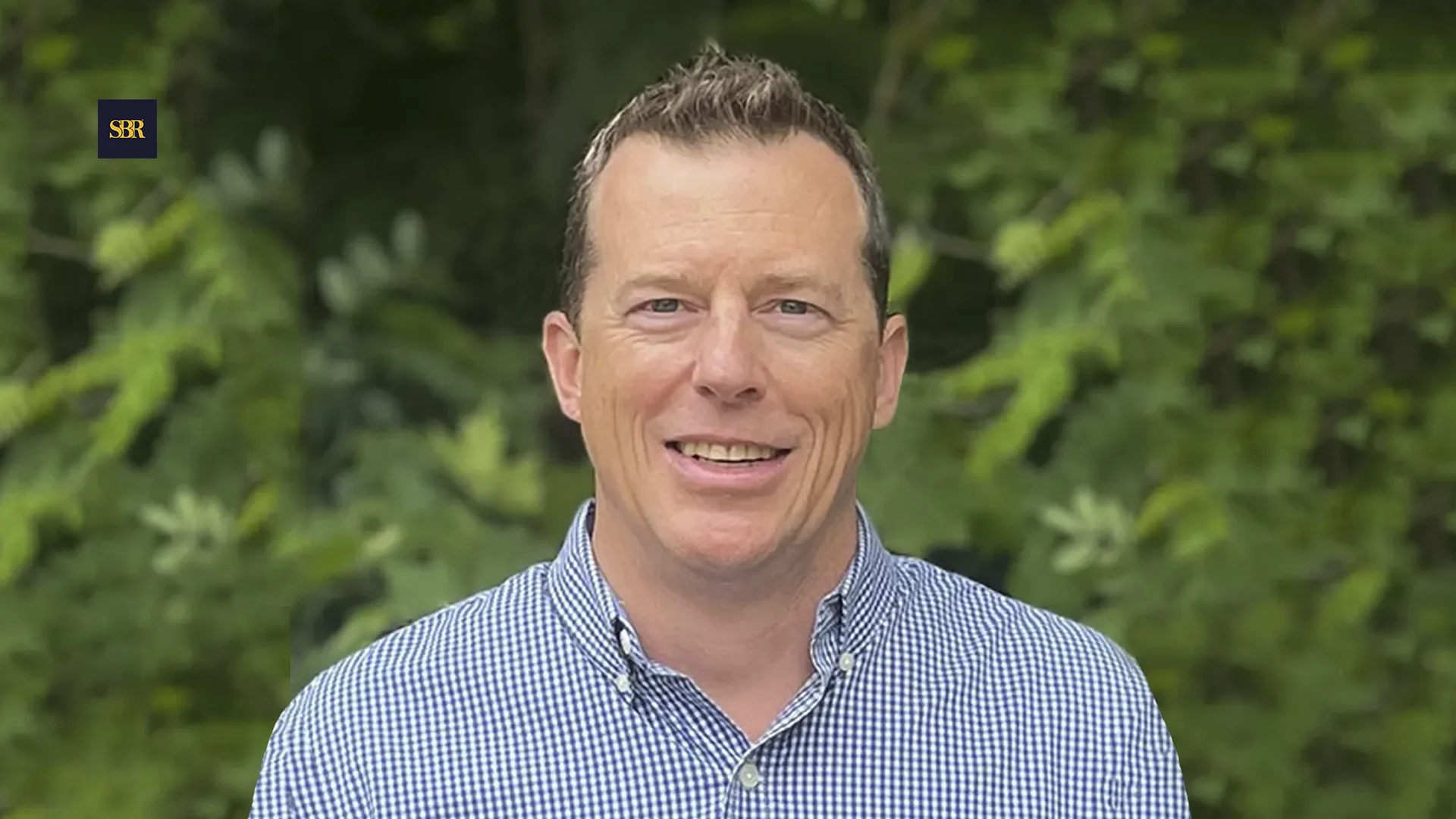
Chris McCandless, co-founder and CEO, leads the company’s commercial strategy and hospital partnerships. He is the voice behind our SwiftAuth and NexEMS demonstrations and our physician and executive leadership conversations.
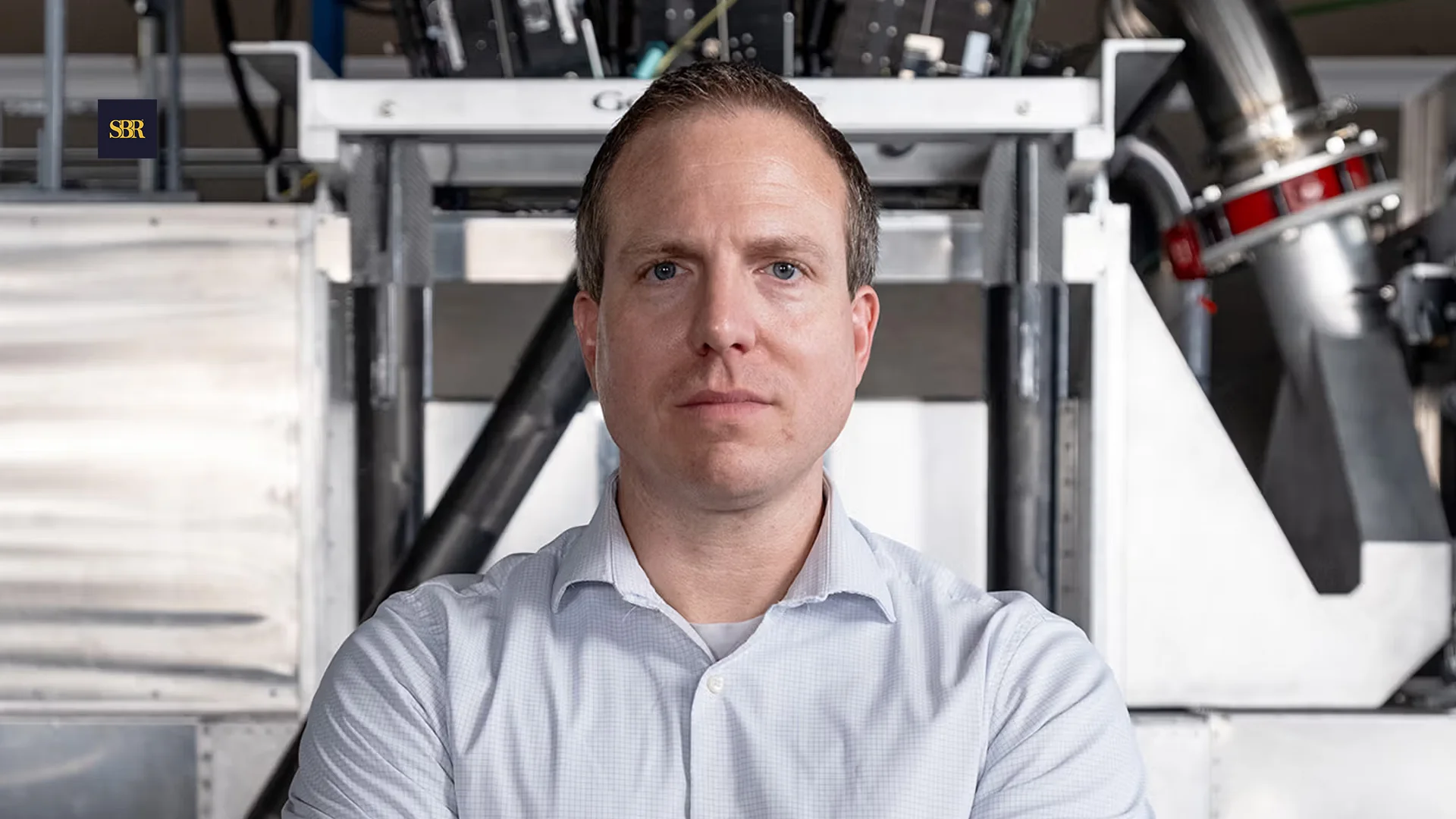
Trey Rutledge sets vision and strategy across the Brilliancy ecosystem, connecting quantum and AI innovation with real-world care delivery.
Mark A. Mona, Board Member and CEO of Brilliancy Quantum, guides the underlying technology, quantum-enhanced computing, and secure orchestration that powers our healthcare platforms.
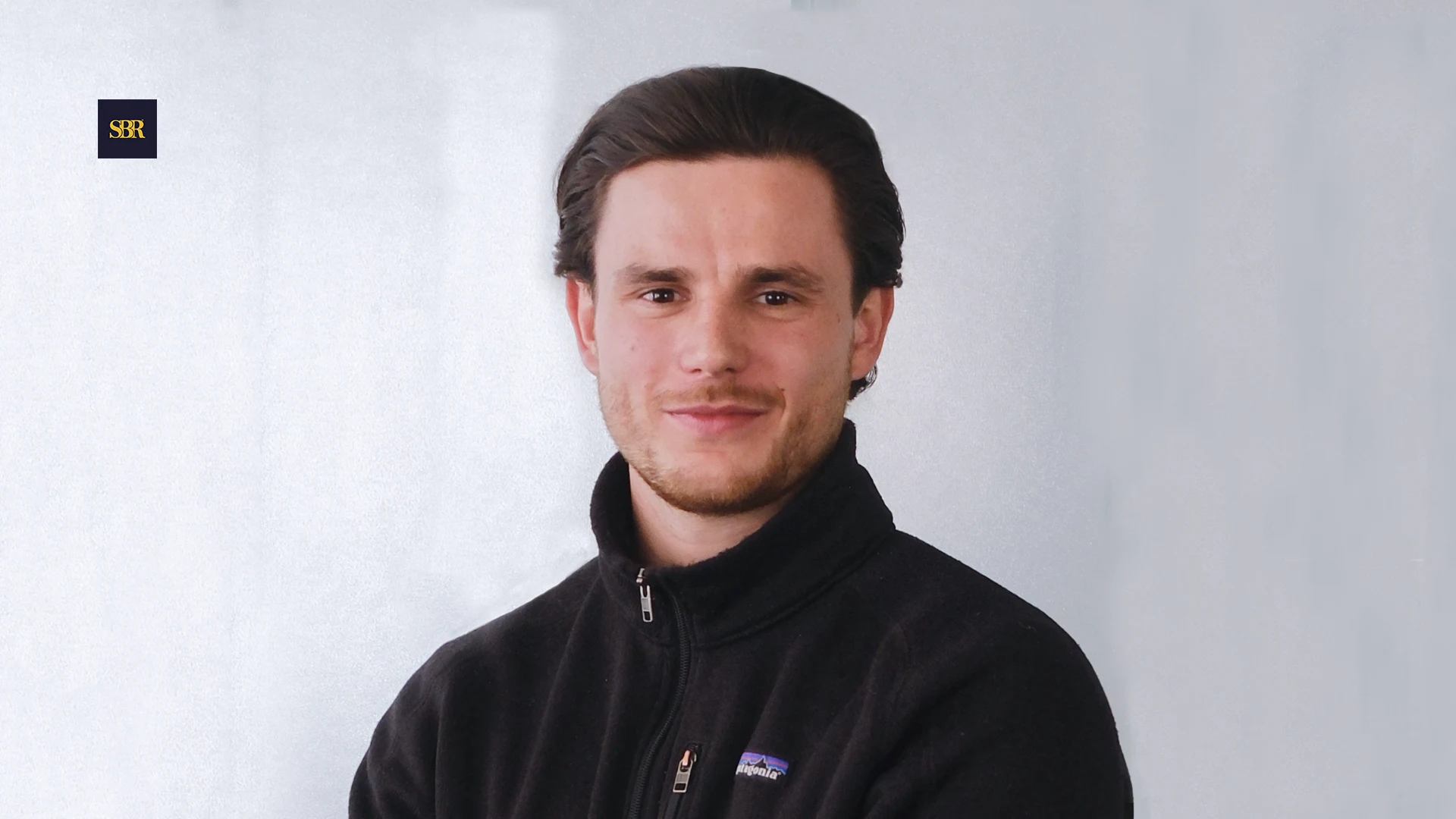
Chief Jimmy Walker, Director of Sales Strategy, brings first-responder leadership to our EMS and fire work, helping agencies adopt technology that fits how they operate.
We’re also supported by complexity scientist Phil Abraham, whose Loma Linda methodology underpins our outcomes model, and by partners including Axia, Helixa, and the KU Innovation Park community.

Photo credit: Brilliancy Health
What are Brilliancy Health's key priorities for the next five years?
Help rural hospitals make the most of the Rural Health Transformation window. With $50 billion in federal program funding available from 2026 to 2030, we want rural providers to turn those dollars into lasting modernization, not one-time projects.
Complete one unified platform. We’re integrating NexEMS, NexFire, NexCommand, and NexPCR into a single platform powered by Luminous, so improvements in one module benefit every connected product.
Expand across the Midwest and beyond, starting with rural and community hospitals, RHCs, CAHs, and EMS agencies in Kansas, Missouri, Iowa, and Nebraska.
Put quantum and AI to practical use through the Brilliancy Quantum AI Innovation Lab, focusing on hybrid quantum-classical approaches that deliver near-term value in diagnostics, public health, and logistics.
Grow talent and partnerships through Luminary Academy, the University of Kansas, and the annual Brilliancy Health Summit.
Is there anything else about Brilliancy Health's vision, offerings, or future plans that you would like our readers to know?
Our goal has never been to chase technology for its own sake. Every product starts with one question: how will this improve people’s lives? For a rural hospital CEO, that means a stronger balance sheet. For a nurse, it means less time on paperwork. For a paramedic, it means a faster, safer handoff. For a patient, it means getting care close to home.
We also believe AI should support clinicians, not replace them. That’s why transparency and explainability are built into Luminous. Clinicians should understand not only what a recommendation is but why it was made.
And we believe rural healthcare deserves a seat at the table. That’s why we launched the Brilliancy Health Summit at KU Innovation Park this September. It brought hospital executives, physicians, researchers, and policymakers, including U.S. Senator Roger Marshall, MD, together around one idea: every rural hospital deserves the technology of a world-class health system. We’re already planning the next one.
ABOUT | TREY RUTLEDGE
Trey Rutledge is co-founder and President of Brilliancy Health and President of Brilliancy Quantum, based at KU Innovation Park in Lawrence, Kansas. He leads a group of companies that combine quantum computing, artificial intelligence, blockchain orchestration, and complexity science to solve real-world problems in healthcare, aerospace, agriculture, logistics, and defense, with a steady focus on ethical, explainable, human-centered innovation. Under his leadership, Brilliancy Health delivers AI-powered platforms that help rural and community hospitals, clinics, and EMS agencies improve profitability, patient outcomes, and operational efficiency. He also founded Luminary Academy to develop future leaders in quantum computing, AI, and cybersecurity, and he hosted the first Brilliancy Health Summit in 2026.
Before his career in technology, Rutledge was an All-American college baseball player. He earned an invitation to the U.S. Olympic Baseball Team, helped LSU win the 1993 College World Series, and signed with the Cincinnati Reds organization, where he ranked among its Top 30 prospects. He credits that experience with shaping his disciplined, team-first leadership style. He is guided by four values: integrity, curiosity, service to others, and long-term thinking.