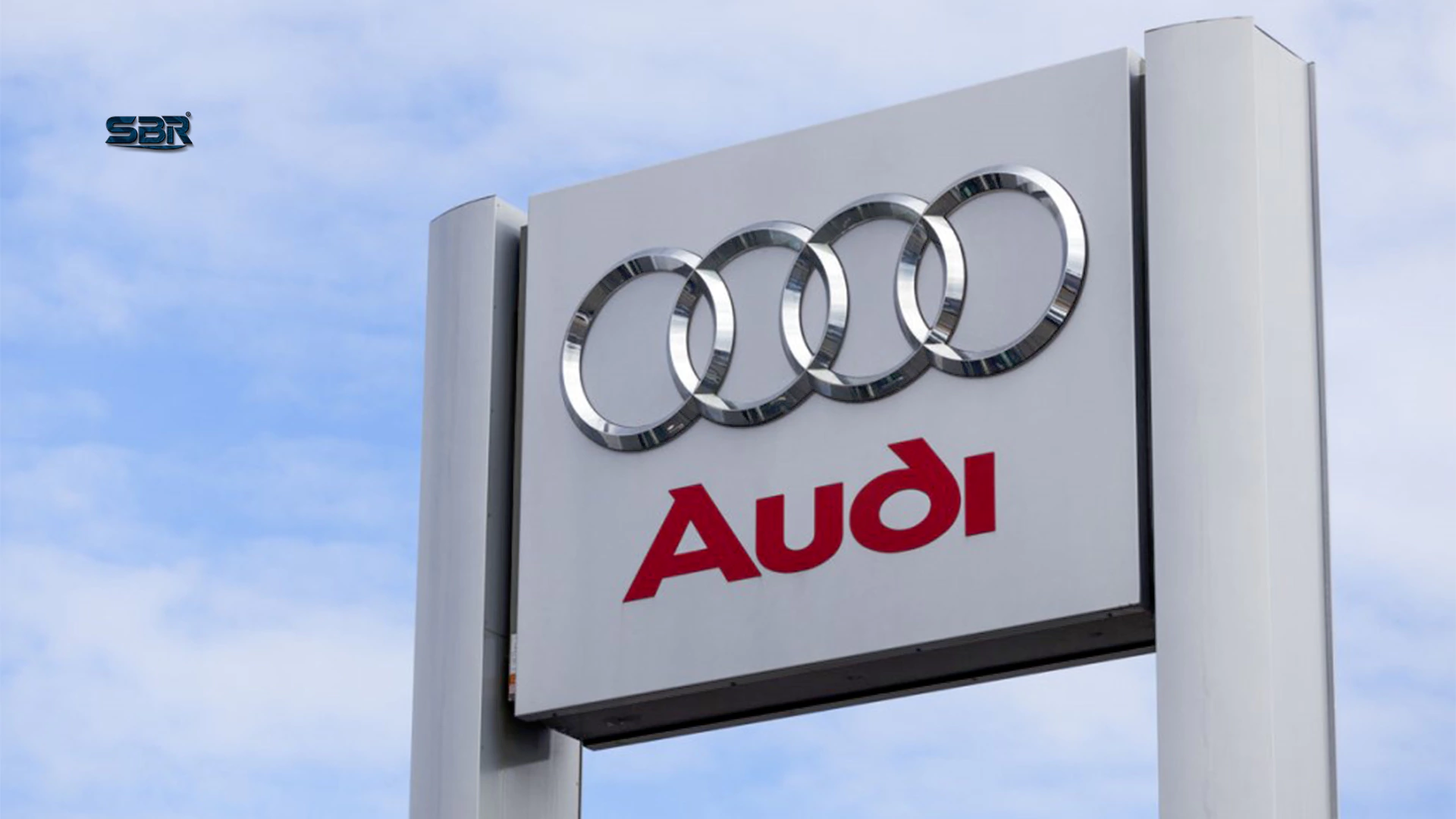
INGOLSTADT, Germany, May 5, 2025 — Volkswagen’s premium brand Audi on Monday reaffirmed its full-year financial outlook but cautioned that the forecast does not reflect the potential impact of U.S. import tariffs, following a first-quarter revenue increase driven by strong electric vehicle sales.
Audi reported revenue of 15.43 billion euros ($17.49 billion) for the January-to-March period, a 12.4% increase from 13.73 billion euros in the same quarter last year. The company maintained its 2025 revenue guidance of between 67.5 billion and 72.5 billion euros, compared with 64.5 billion in 2024. It also kept its operating margin forecast at 7% to 9%.
“The financial implications of import tariffs, particularly in the United States, cannot be conclusively assessed,” Audi said in a statement. The company added that a March agreement with its works council had not yet been factored into its guidance.
Audi does not operate manufacturing facilities in the U.S. but said it will make a decision this year on whether to establish production capacity there. CEO Juergen Rittersberger said that any expansion could involve electric vehicles, noting that EVs remain a strategic focus in the U.S. market.
"We will also have a very close look at electric cars because that's still an area of focus, also in the U.S.," Rittersberger said during a press briefing.
 Although Audi delivered 3.4% fewer vehicles globally in the first quarter, unit sales of its electric models rose sharply, increasing 30.1%. In North America, excluding Mexico, deliveries declined by 2.1% to 48,599 vehicles, partly due to upcoming model upgrades. In China, deliveries fell 7% to 144,471 units, which the company attributed to intensifying competition.
The automaker, like other European peers, is facing mounting pressure from trade restrictions. Tariffs on U.S. imports could raise vehicle prices by several thousand dollars, affecting an already strained industry coping with high costs and shifting consumer preferences.
Audi currently serves the U.S. market through its plant in San Jose Chiapa, Mexico, where it produces the Q5 model. The facility employs more than 5,000 workers and plays a critical role in supplying one of the brand’s top-selling vehicles to American dealerships.
We will also have a very close look at electric cars because that's still an area of focus, also in the U.S.










.webp)