NEW YORK, March 3, 2026 — Global bond markets recoiled Monday as a sharp climb in oil prices reignited concerns about inflation and forced traders to reassess expectations for interest rate cuts. The sudden move in energy markets unsettled assumptions that price growth would continue to cool, prompting a broad selloff in sovereign debt and pushing yields higher across major economies.
Government bond yields in the United States and Europe advanced as investors trimmed bets on monetary easing. The shift marked a swift reversal from earlier optimism that central banks would deliver multiple rate reductions this year, and it underscored how sensitive fixed-income markets remain to commodity shocks.
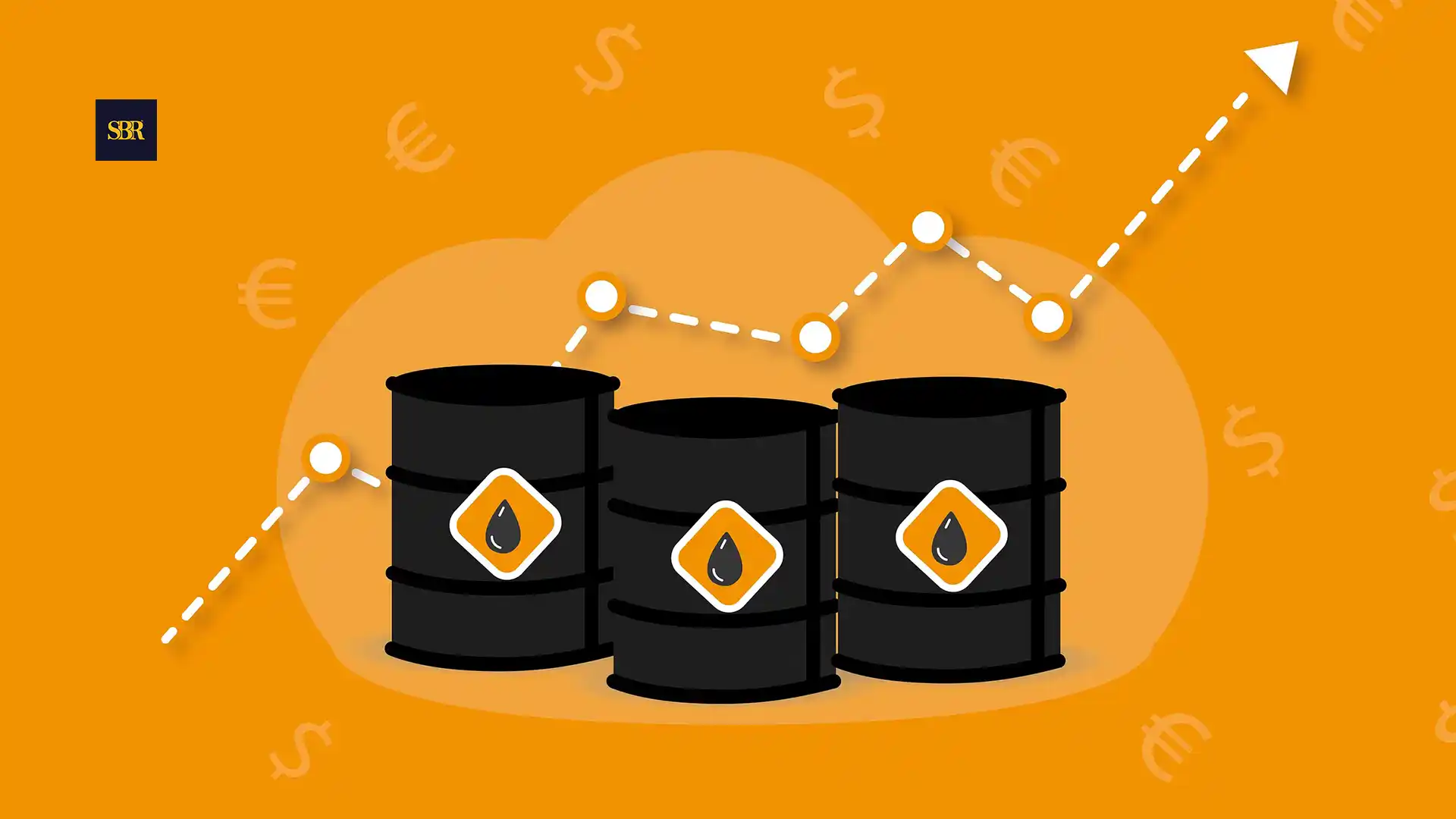
The catalyst was crude oil, which jumped on geopolitical tensions that threatened energy flows. As oil advanced, inflation expectations ticked higher, rippling through bond markets and altering the policy outlook.
Oil Surge Alters Inflation Narrative
Energy prices are a primary driver of headline inflation, with sharp gains often feeding through to transportation costs, industrial output and a wide range of consumer goods. The latest oil rally revived concerns that price growth could remain elevated for longer than previously projected, complicating assumptions that disinflation would proceed without interruption.
Breakevens Move Higher: Inflation breakevens widened in both U.S. Treasurys and European government bonds, signaling that investors expect firmer price pressures over the medium term. Those measures, derived from the gap between nominal and inflation-linked securities, offer insight into how markets perceive the trajectory of consumer prices and serve as a real-time barometer of sentiment.
As those expectations shifted, traders recalibrated positions tied to central bank policy. Contracts linked to the Federal Reserve showed reduced odds of multiple rate cuts over the coming year, reflecting concern that policymakers may need to keep borrowing costs higher for longer if energy prices remain elevated.
Energy Pass-Through Risks: The concern extends beyond fuel at the pump. Higher crude prices can influence shipping costs, airline fares and the production of goods that rely on petroleum-based inputs, which means the pass-through to broader inflation can be significant if the move persists.
Market participants noted that even if core inflation measures exclude energy, sustained increases in oil can shape expectations among businesses and consumers. That dynamic can, in turn, influence wage negotiations and pricing decisions, making central banks cautious about easing policy prematurely.
In Europe, pricing around the European Central Bank reflected similar restraint. Traders who had expected a more decisive cutting cycle adjusted their forecasts, acknowledging that an energy-driven inflation pulse could delay action.

Traders Pare Back Rate-Cut Bets
In the United States, yields climbed across maturities, with two-year Treasurys registering pronounced gains. Shorter-dated bonds are particularly sensitive to shifts in rate expectations, and their movement signaled that investors see less room for aggressive easing in the near term.
Futures markets now reflect fewer cuts over the next year than they did before oil prices surged. That recalibration represents a notable shift in sentiment and highlights the speed with which macroeconomic narratives can change when external shocks emerge.
Europe followed a similar trajectory. German Bund yields rose as markets weighed the prospect that the European Central Bank may need to limit or postpone reductions in its benchmark rate. Investors had anticipated a gradual easing cycle, yet the oil surge introduced fresh uncertainty into that timeline.
Analysts said the bond selloff reflects a tug of war between inflation risks and softer growth data. While economic indicators point to uneven activity across major economies, policymakers remain wary of acting too quickly if inflation proves sticky.
Growth Concerns Add to Uncertainty
Beneath the surface, worries about slowing growth persist. Manufacturing surveys in parts of Europe and North America have indicated contraction, while consumer spending has shown signs of moderation in several sectors, creating a mixed economic picture.
That dynamic complicates the policy outlook. Central banks typically reduce rates to support activity when growth falters, yet they must also guard against entrenching inflation expectations. The oil rally therefore presents a dilemma, as it threatens to stall progress toward inflation targets even as momentum cools.
Officials at the Federal Reserve have reiterated that decisions will depend on incoming data. Although inflation has eased from earlier peaks, it remains above the two percent target, and a sustained climb in energy costs could slow further improvement.
Similarly, policymakers at the European Central Bank have stressed the need for durable evidence that inflation is returning to target before committing to additional easing. The latest oil move complicates that assessment and leaves markets searching for clearer guidance.
For now, investors are recalibrating to a scenario in which inflation proves more resilient than anticipated. That reassessment has trimmed expectations for swift monetary easing and injected fresh volatility into global bond markets, with yields moving in tandem with developments in crude.
As traders monitor energy markets and await fresh inflation data, each new development has the potential to reshape the rate outlook once again.
Inflation breakevens widened in both U.S. Treasurys and European government bonds, signaling that investors expect firmer price pressures over the medium term.