The global chemical and fertilizer industry plays a pivotal role in sustaining and advancing modern society. Its contributions are integral to ensuring global food security through the production of fertilizers that enhance agricultural yields, addressing the nutritional needs of a growing population.
Moreover, the industry is a driving force behind technological innovations, continuously developing new chemicals and fertilizers to meet diverse industrial and agricultural demands. As a cornerstone of economic development, it fosters job creation, technological advancements, and international trade, making it a crucial engine for global progress and prosperity.
Here are some key aspects regarding the industry:
Diversity of Products: The chemical and fertilizer industry produces a variety of products, including industrial chemicals, specialty chemicals, agrochemicals, and fertilizers. These products play crucial roles in various sectors such as agriculture, manufacturing, healthcare, and more.
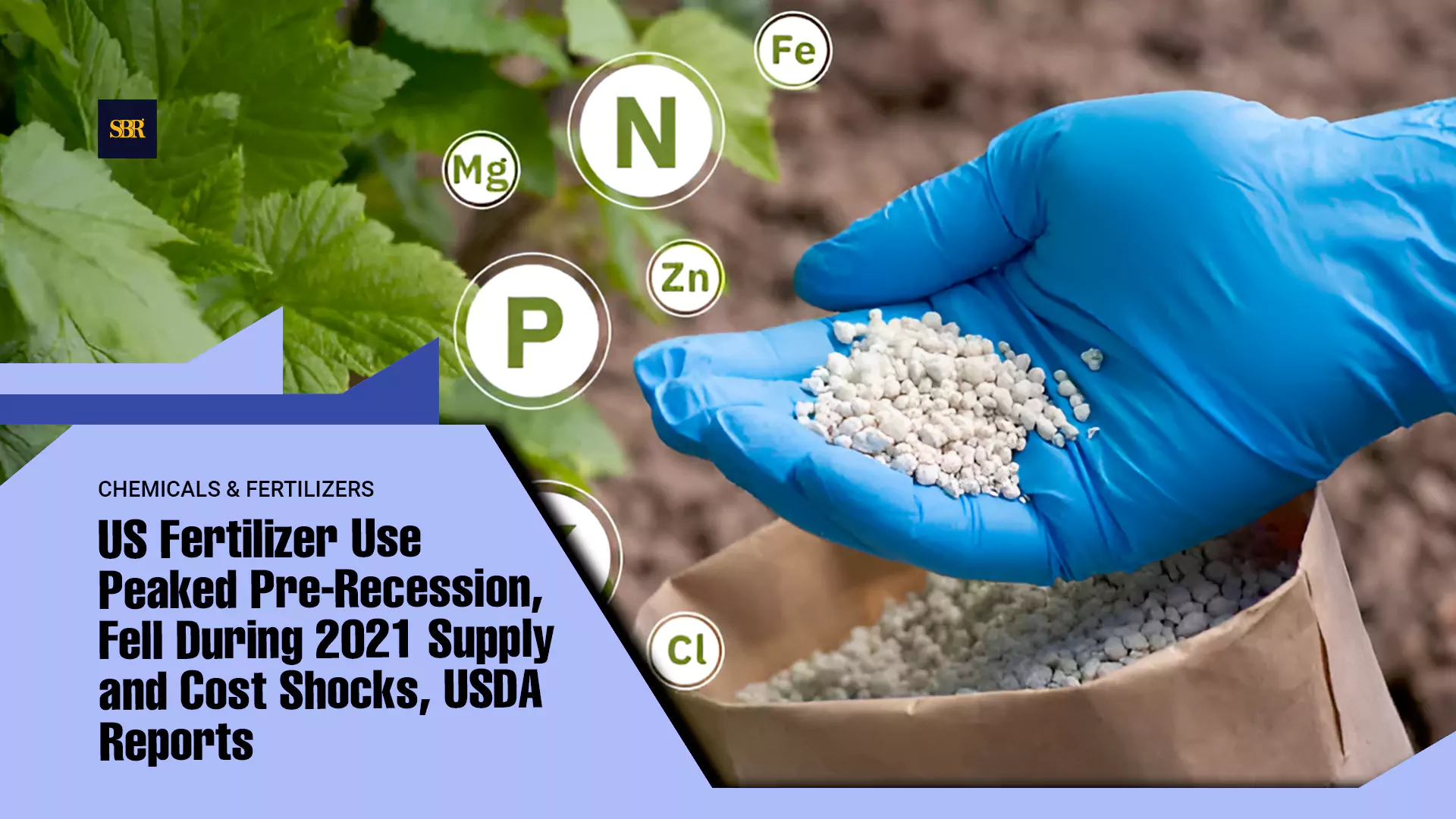
Agricultural Impact: Fertilizers are essential for modern agriculture, providing nutrients to crops to enhance growth and increase yields. The demand for fertilizers is influenced by factors such as population growth, dietary changes, and the need for improved agricultural productivity.
Global Market Dynamics: The industry's dynamics are influenced by global economic conditions, technological advancements, regulatory changes, and environmental concerns. Companies often face challenges related to sustainability, environmental impact, and regulatory compliance.
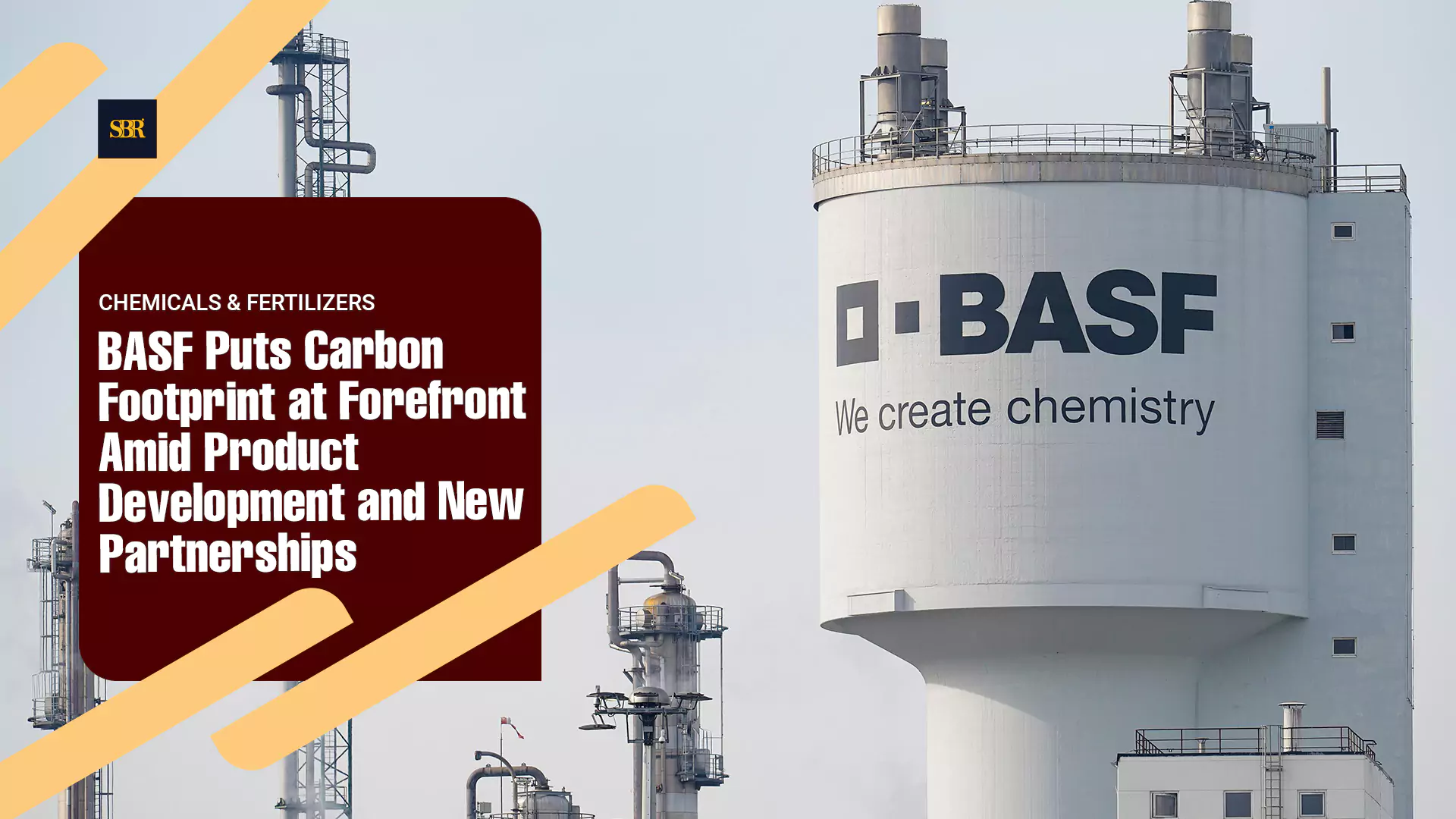
Major Companies: The global chemical and fertilizer industry includes major multinational corporations such as BASF, DowDuPont, Bayer, Yara International, and Nutrien, among others. These companies operate globally and have diverse product portfolios.
Technological Advancements: Ongoing research and development contribute to technological advancements in the industry, including the development of more environmentally friendly and sustainable products, precision agriculture technologies, and innovations in chemical manufacturing processes.
Environmental Concerns: The industry faces increasing scrutiny regarding its environmental impact. Efforts are being made to develop and promote sustainable practices, reduce emissions, and minimize the environmental footprint of chemical and fertilizer production.
Overall, the global chemical and fertilizer industry plays an indispensable role in fostering economic development, job creation, technological progress, and international trade, making it a crucial catalyst for global advancement and prosperity.









.webp)