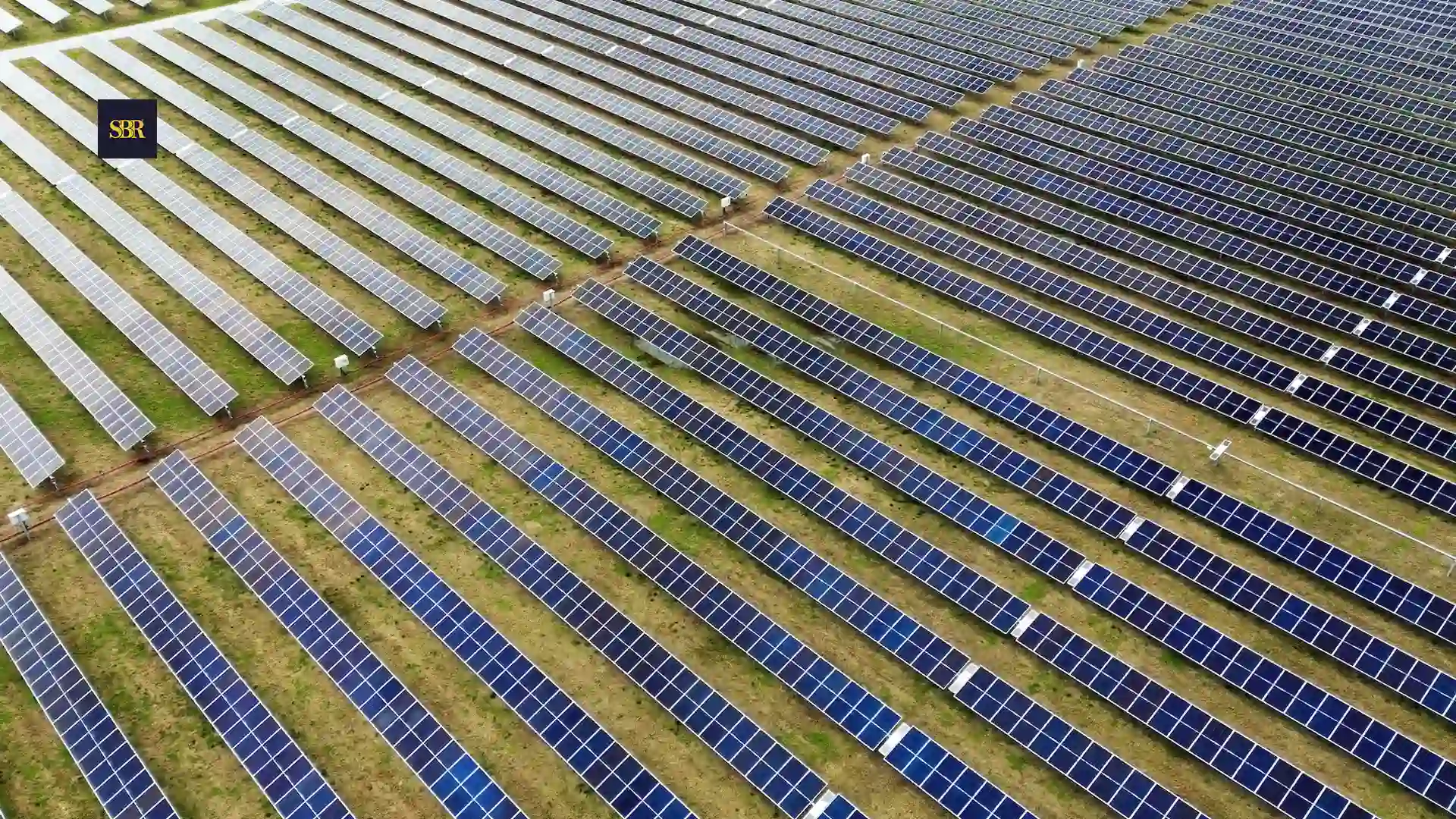
The clean energy sector is experiencing significant growth for several reasons, encompassing economic, environmental, technological, and societal factors. Here's a detailed description:
Environmental Concerns: Heightened awareness of climate change and its adverse effects on the planet has spurred governments, businesses, and individuals to seek alternatives to fossil fuels. Clean energy sources such as solar, wind, hydroelectric, and geothermal power offer a way to reduce greenhouse gas emissions and mitigate climate change.
Technological Advancements: Rapid advancements in clean energy technologies have made them more efficient and cost-effective. For instance, the efficiency of solar panels has increased, and the cost has decreased significantly over the past decade, making solar power more accessible and attractive to consumers and businesses alike.
Government Policies and Incentives: Many governments around the world have implemented policies and incentives to promote the adoption of clean energy. These may include subsidies, tax credits, feed-in tariffs, renewable energy mandates, and carbon pricing mechanisms. Such policies create a favorable environment for investment in clean energy projects and stimulate market demand.
Energy Security: Dependence on fossil fuels poses risks to energy security due to geopolitical tensions, supply disruptions, and price volatility. Clean energy sources, being abundant and often locally available, offer a more secure and stable energy supply. This appeals to governments and businesses seeking to reduce their reliance on imported fossil fuels.
Job Creation and Economic Growth: The clean energy sector has emerged as a significant source of employment and economic growth. Investments in renewable energy projects create jobs in manufacturing, installation, maintenance, and research. Additionally, the transition to clean energy can stimulate innovation and entrepreneurship, leading to the development of new industries and markets.
Cost Competitiveness: In many regions, clean energy sources have become cost-competitive with or even cheaper than fossil fuels. This shift is driven by declining costs of renewable technologies, as well as increasing costs associated with extracting, transporting, and burning fossil fuels. As a result, businesses and utilities are increasingly turning to clean energy to reduce operating costs and remain competitive in the market.
Corporate Sustainability Initiatives: Many corporations have recognized the importance of sustainability and environmental responsibility in their operations. As part of their corporate social responsibility efforts, companies are investing in renewable energy projects, implementing energy efficiency measures, and setting ambitious sustainability targets. This trend is driven by consumer demand for environmentally-friendly products and services, as well as investor pressure to prioritize sustainability.
Overall, the growing momentum behind the clean energy sector can be attributed to a combination of environmental concerns, technological advancements, supportive policies, economic benefits, and shifting societal values. As these factors continue to evolve, the clean energy sector is poised for further expansion in the years to come.