The global energy sector is considered lucrative for several reasons, encompassing economic, technological, and geopolitical factors. Here is a detailed exploration of why the energy sector is perceived as highly profitable:
Constant Demand: Energy is a fundamental necessity for nearly every aspect of modern life, from residential electricity consumption to industrial processes, transportation, and communication. The constant and growing demand for energy ensures a reliable market.
Population Growth and Urbanization: As the global population continues to grow, and urbanization trends persist, the demand for energy escalates. Rapid urban development, industrialization, and the proliferation of electronic devices contribute to an increasing need for power.
Technological Advancements: Ongoing technological advancements in the energy sector, such as innovations in renewable energy sources, smart grid systems, energy storage solutions, and more, create new opportunities for investments and revenue generation.
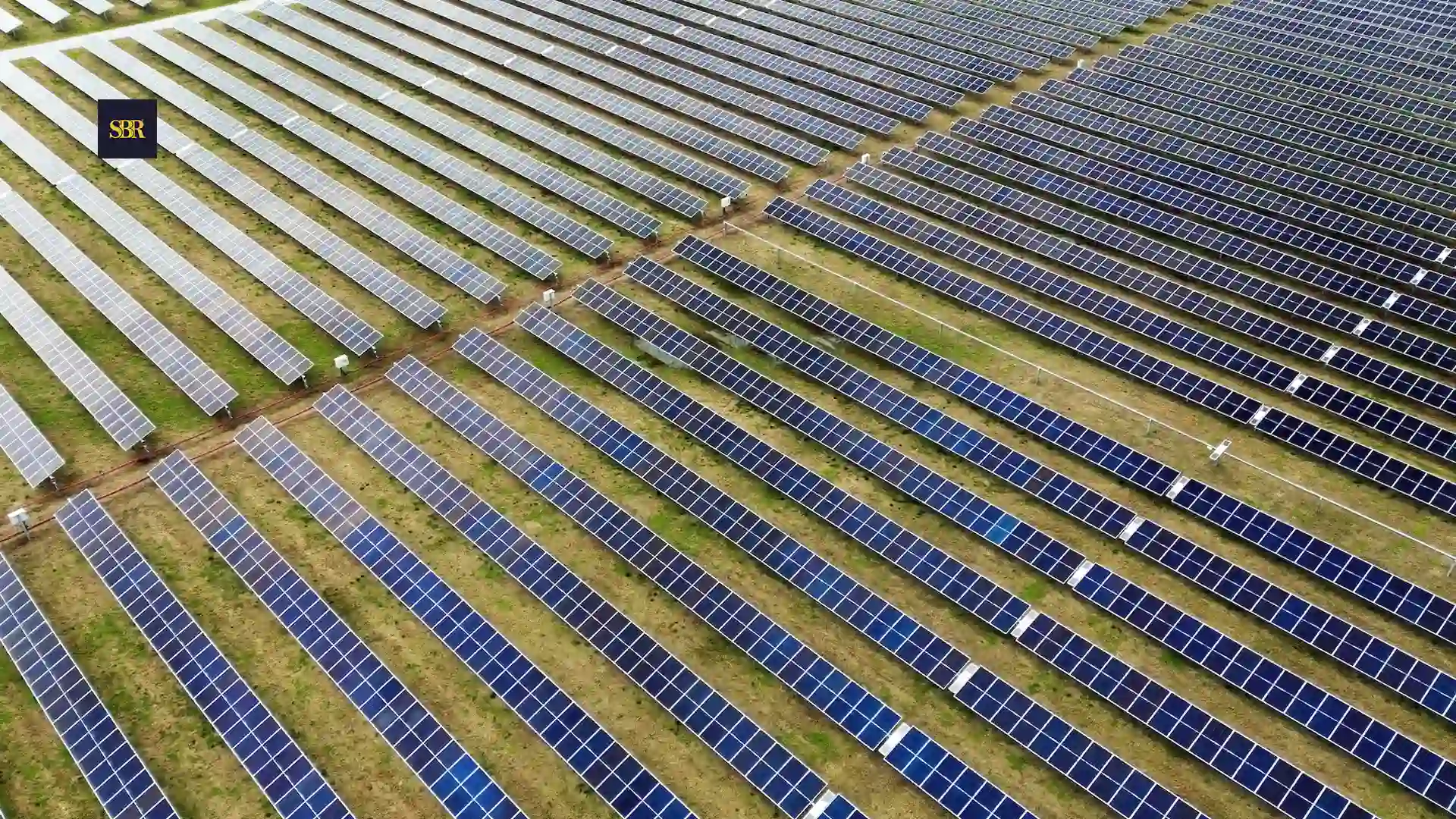
Transition to Renewable Energy: The global push towards sustainability and the transition from traditional fossil fuels to renewable energy sources further amplifies investment prospects. Governments and businesses worldwide are investing heavily in renewable technologies to meet environmental goals and combat climate change.
Geopolitical Influence: Control over energy resources has historically been a source of geopolitical power. Nations rich in oil, natural gas, or other valuable energy sources often wield significant influence in global affairs. This geopolitical aspect can make the energy sector particularly attractive for investment.
Innovation in Oil and Gas Exploration: Ongoing advancements in oil and gas exploration technologies, including unconventional extraction methods like fracking, have opened up new sources of fossil fuels. This has extended the lifespan of traditional energy resources and provided additional investment opportunities.
Diversification of Energy Sources: The energy sector is diversifying with a mix of traditional and renewable sources. This diversification allows investors to hedge their bets and participate in different segments of the energy market, contributing to overall sector profitability.
Infrastructure Development: The need for continuous infrastructure development, including power plants, transmission lines, and distribution networks, ensures ongoing investment opportunities. Developing regions, in particular, require substantial investments in energy infrastructure to support their economic growth.
Government Incentives and Policies: Governments worldwide implement policies and incentives to encourage investments in the energy sector, especially in renewable energy. Subsidies, tax breaks, and regulatory support contribute to the attractiveness of the sector for investors.
Global Economic Growth: The energy sector is closely tied to overall economic growth. As economies expand, the demand for energy rises, creating a positive correlation between economic development and the profitability of the energy sector.
In conclusion, the global energy sector's growth stems from its fundamental role in supporting modern life, ongoing technological advancements, the transition to renewable energy, geopolitical dynamics, and the continuous demand for energy to fuel economic growth and development. These factors collectively make the energy sector a compelling arena for investment and business opportunities.









.webp)