Pledges made so far at the COP28 climate summit will only achieve a 30% reduction in energy-related greenhouse gas emissions by 2030, falling short of the required target, as stated by the International Energy Agency on Sunday.
“While the pledges are positive steps forward in tackling the energy sector’s greenhouse gas emissions, they would not be nearly enough to move the world onto a path to reaching international climate targets, in particular the goal of limiting global warming to 1.5 degrees Celsius,” it said in a report.
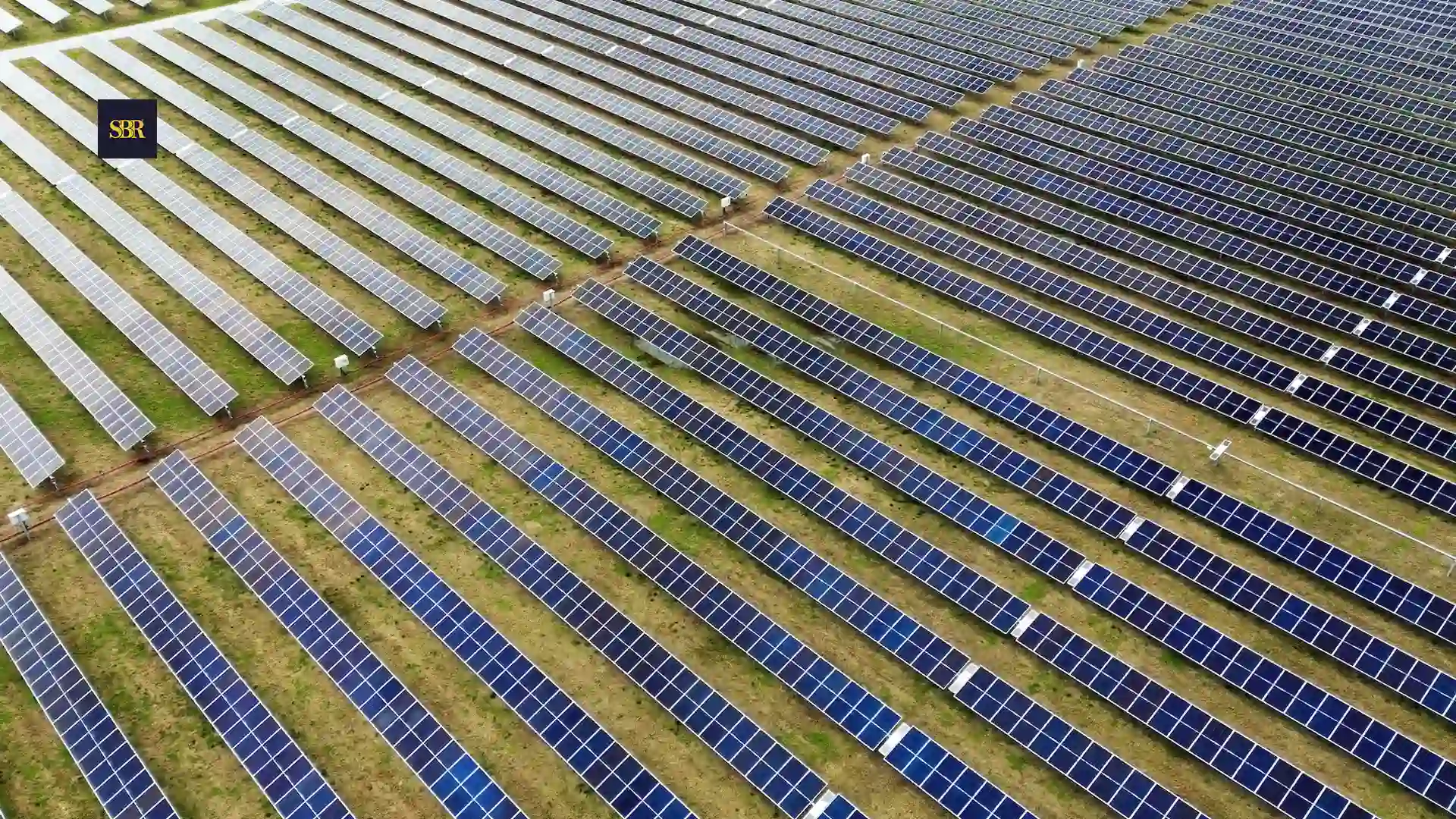
The agency issued an evaluation of voluntary commitments declared in Dubai by governments and the oil and gas sector. These include tripling renewable energy and doubling energy efficiency by 2030, along with substantial reductions in methane emissions.
According to the United Nations climate body, 130 countries have endorsed the commitment to increase renewable energy and enhance energy efficiency.
China, the world's leading emitter of greenhouse gases, along with fellow major developing nation India, and significant energy exporters Saudi Arabia and Russia, have opted not to sign the pledge.
China, on the other hand, made a less formal commitment to the objective of tripling renewable energy in a joint statement with the United States, which did endorse the pledge. This commitment was announced after discussions in California in preparation for COP28.
Historically, Beijing has been reluctant to make commitments in statements that are not formally endorsed through the UN framework.
The 2015 Paris agreement established the goal of limiting global warming to no more than 1.5 degrees Celsius above pre-industrial levels. This objective aims to mitigate the most severe impacts of climate change, including increased droughts, storms, and rising sea levels.
Regarding methane emissions, approximately 50 oil and gas companies have committed to achieving zero emissions and ending routine flaring by the year 2030.
Methane, while highly potent, has a comparatively short-lived impact. It is accountable for approximately one-third of the current warming from greenhouse gases, ranking second only to carbon dioxide.
Besides energy production, animal agriculture stands out as a significant source of methane emissions.
The ongoing UNFCCC COP28 Climate Conference, from November 30 to December 12 in Dubai, involves stakeholders such as international leaders, scientists, environmentalists, indigenous representatives, and activists. Discussions aim to reach a consensus on global measures to mitigate the impacts of climate change.





.webp)