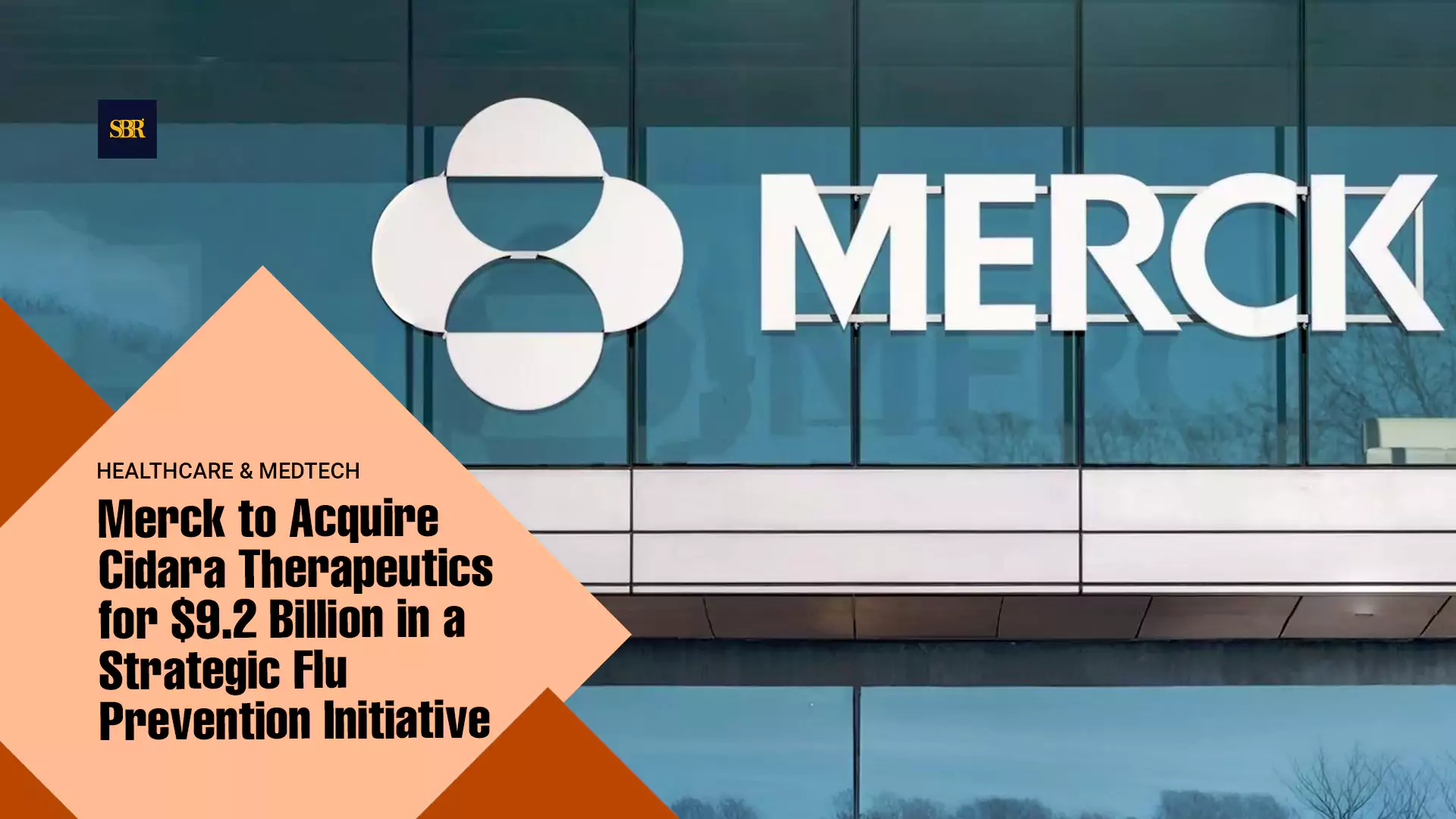
RAHWAY / SAN DIEGO, Nov. 14, 2025 — Merck has agreed to purchase Cidara Therapeutics in a transaction valued at about $9.2 billion, marking one of the company’s most significant moves to broaden its infectious disease portfolio. The deal places Merck in control of CD388, a long-acting antiviral designed to offer season long protection against influenza. The drug candidate has generated strong interest among analysts and public health experts because it differs from traditional flu vaccines and could potentially address multiple strains with a single dose.
Merck is pursuing this acquisition at a time when it faces the looming expiration of patents for Keytruda, the company’s top selling cancer therapy. Keytruda contributes billions to annual revenue and the company has been working to secure new growth drivers before competition intensifies. Adding Cidara moves Merck closer to building a diversified late-stage pipeline that can support the company in the coming decade.
What Sets CD388 Apart?
CD388 is a drug Fc conjugate that links zanamivir to a human antibody fragment. Instead of stimulating the immune system the way vaccines do, this therapy binds to flu viruses and blocks replication. Early trial results indicate that a single administration may offer protection for an entire season. The U S Food and Drug Administration has granted the candidate breakthrough designation, which could accelerate development timelines.
Participants in ongoing trials span a wide range of age groups and risk categories. Cidara has begun enrolling thousands of volunteers in a global study that will test safety and efficacy through one full flu season. Merck believes this product could meet an unmet need for patients who have limited immune response to vaccines, including older adults and individuals with chronic conditions.
Is This the Right Match for Merck?
The acquisition brings both opportunity and challenge. CD388 is widely viewed as a promising candidate, yet it remains Cidara’s primary late-stage asset. Some analysts have raised questions about whether a single asset justifies a multibillion-dollar purchase. Others argue that Merck has strategically chosen a product with lower clinical risk and high commercial potential, which aligns with the company’s current focus on strengthening post Keytruda revenue streams.
Merck leadership has reinforced the view that antiviral innovation will play an important role in future public health preparedness. Executives have highlighted the company’s history in infectious diseases and indicated that CD388 fits well within that tradition. Several market observers believe Merck is positioning itself for consistent annual demand by investing in products that address global respiratory threats.
Merck’s Broader Growth Strategy
 Merck has been active in the acquisition market for several years.
Previous Expansion Efforts: The company has nearly tripled its late-stage pipeline since 2021 by pursuing high value deals that complement existing research strengths. Earlier transactions included the purchase of Acceleron for more than eleven billion dollars and the acquisition of Verona Pharma for around ten billion dollars. These decisions were guided by Merck’s desire to expand in areas with significant unmet need.
A Shift Toward Antiviral Innovation: Merck has signalled that respiratory health will remain a priority. The company’s experience handling challenges related to RSV, COVID, and other viral threats has shaped its long-term planning. CD388 is seen as a natural extension of these efforts and could support new strategies for preventing seasonal outbreaks.
What’s Next for Merck and Cidara
The deal is expected to close in the first quarter of 2026. Merck plans to continue the global trial program for CD388 with a target of enrolling around six thousand participants. Researchers will follow patients through the coming flu season to determine how the therapy performs across diverse populations.
Merck’s leadership believes that products offering broad flu protection could become central to future public health policy. Analysts have echoed this view, noting that governments and health systems often prepare for seasonal influenza months in advance. A long-acting antiviral could simplify planning and reduce pressure on vaccine manufacturing timelines.
The acquisition adds momentum to Merck’s effort to prepare for a competitive future. The company is using its scale and financial strength to secure assets that can deliver reliable value while supporting global health goals. CD388 is not guaranteed to succeed, yet it represents a bold choice aimed at shaping the next generation of flu prevention.
Merck is mapping long term growth around technologies designed to block seasonal viruses before they spread.
Inputs from Diana Chou
Editing by David Ryder