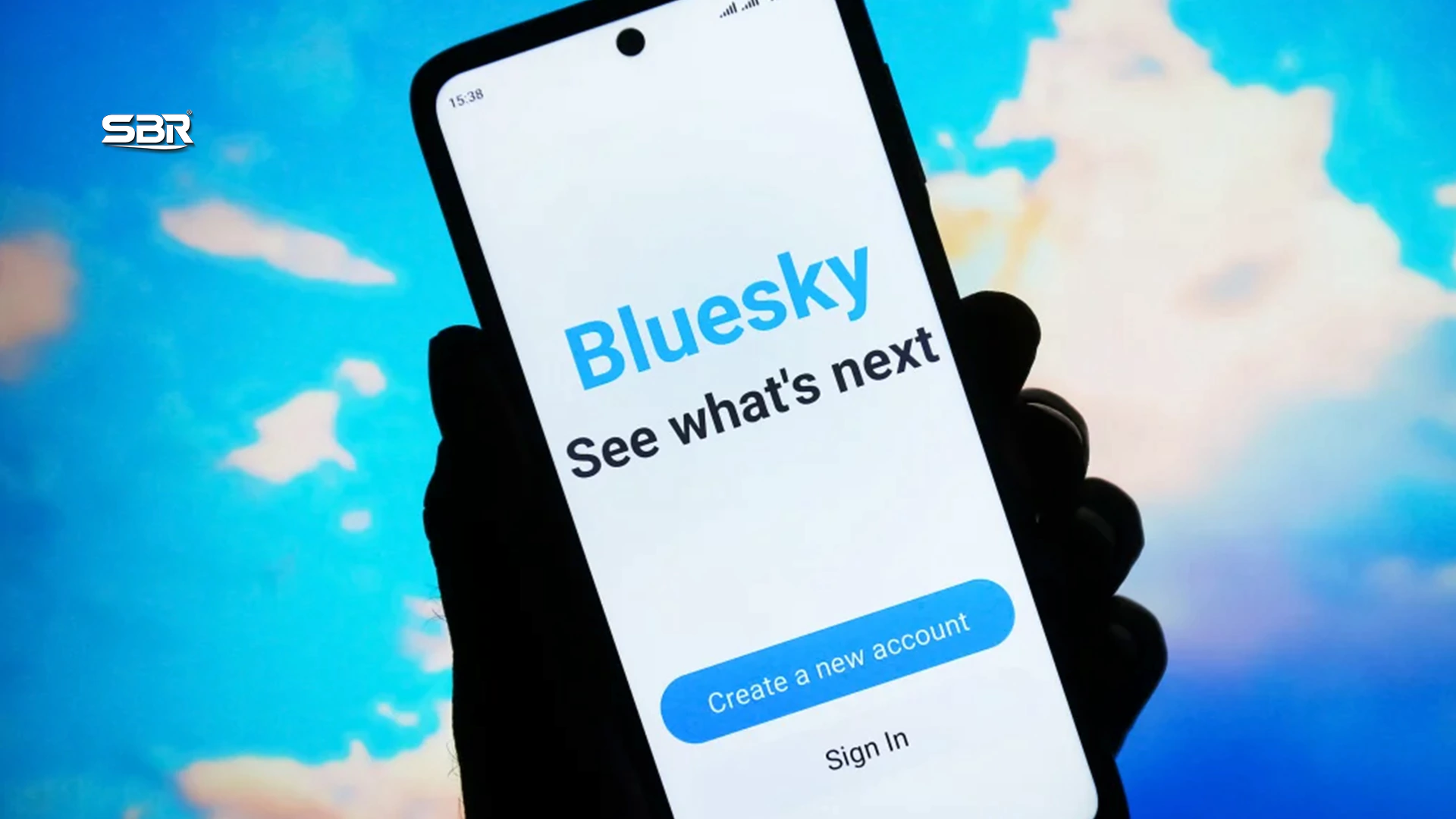
SEATTLE, Wash., May 23, 2025 — Bluesky, the decentralized social network based in San Francisco, has opened applications for account verification, marking a significant shift in how the service handles user authenticity. The company announced Thursday that “notable and authentic” accounts can now apply for verification through an online form, and organizations can request status as Trusted Verifiers to help confirm others.
The move expands on a feature that Bluesky began testing last month with select groups including The New York Times, Wired, and The Athletic. Trusted Verifiers are granted access to tools that allow them to vouch for others within the network.
While the feature is intended to boost credibility and trust, some users voiced concern over the blue badge symbol, which recalls Twitter’s contentious verification system. Critics argue that, like Twitter’s former approach, the introduction of verification could divide users into perceived tiers of importance.
Unlike Twitter (now X), Bluesky incorporates other models. Users may self-verify by linking their handle to a personal or organizational domain — a method already adopted by more than 270,000 accounts. Examples include public broadcasters such as NPR, which operates under the handle @npr.org.
Still, the process of evaluating applications remains opaque. Bluesky requires that verified applicants maintain active, complete, and secure accounts that represent real people or entities. But the definition of “notable” varies, and the company offers no clear documentation of how that threshold is determined.
According to the company’s criteria, notability may be based on professional recognition, media coverage, reference platforms, or general public interest. “We consider the overall context and public interest value of each account,” the form states. Applicants are urged to provide supporting links and evidence.
Bluesky has not said how many team members review applications or whether public figures will receive priority. The company added that users will not receive a response unless they are selected for verification.
 Some observers suggest the rollout could have been better received had Bluesky established a broader network of Trusted Verifiers before launch, reinforcing its message of decentralization. As of now, Bluesky continues to serve as the central gatekeeper of verification, a contrast to its federated model of operation.
Meanwhile, alternative networks are experimenting with more democratic systems. Deer.Social, a fork of Bluesky, allows users to choose their own verifiers and view whom those verifiers trust in return, creating a trust-based web without central oversight.
Bluesky declined to comment on the rollout or future plans for decentralizing the verification process.
We consider the overall context and public interest value of each account.