
Metal components produced through 3D printing, casting, forging and machining often require finishing before they can be used. Excess material, rough edges and surface imperfections must be removed, while some parts require polishing, cleaning or dimensional inspection. These tasks often rely on skilled workers using handheld tools, adding labor costs and exposing workers to dust, vibration and repetitive movements. Rivelin Robotics, founded in Sheffield in January 2018 by Robert Bush, develops industrial robotics for automated metal finishing. The company serves manufacturers in aerospace, defense, medical technology, automotive and energy, where component quality and manufacturing records are important.
Rivelin’s NetShape software directs industrial robots through scanning, planning and finishing operations. The system scans a component to capture its geometry, then adjusts the robot’s tool path to account for differences in shape and placement. Robotic arms can use grinders, cutters, chisels and sanders to remove excess material and finish surfaces. The technology has a stated repeatability of ±0.05 millimeters and accuracy of ±0.25 millimeters. Digital records of finishing operations allow manufacturers to trace how components were processed. Automating these tasks can reduce reliance on manual finishing and help manufacturers apply the same programmed procedures across production batches.
NetShape Microfactories
Rivelin packages its robotics and software into compact production cells called microfactories. The r1000 handles larger components, with a work envelope of 1,000 millimeters in diameter by 800 millimeters in height and a maximum part payload of 400 kilograms. The cell accommodates up to 10 end-effector docks and can use tools for cutting, grinding, sanding, polishing, drilling, measuring, scanning, and cleaning. Manufacturers can perform multiple finishing operations within one enclosed cell instead of moving parts between separate manual workstations. An extraction system handles dust and broken support material generated during processing.
The product range also includes the smaller r500 and the rAD-AT800S, which integrates Rivelin’s robotics with the Solukon AT-800-S depowdering system. Both the r500 and rAD-AT800S are listed for early access. Customers can purchase equipment as a capital expense or use an operating-expense arrangement in which software is provided as a service. Training is included, while routine maintenance covers cell cleaning, tool lubrication and scheduled replacement of filters and other components. Manufacturers evaluating the equipment must account for acquisition or service costs, tooling, maintenance, production volumes and the types of components they need to finish.
Defense and Industrial Deployments
Defense manufacturing has become an important application for Rivelin’s technology. By June 2026, the company had sold 11 microfactories to customers in four countries, including defense customers in Spain, France, Germany and the United States. The business had grown from a single founder to 21 employees, all based in Sheffield. Rivelin first engaged with UK Defence Innovation through the Right On Time: Automating Military Logistics competition in 2021. Work with UK defense innovation programs and the Defence Science and Technology Laboratory gave the company access to military users during early testing and helped connect its technology with defense manufacturing requirements.
At RAF Wittering, personnel from 71 (Inspect and Repair) Squadron received training on a NetShape system for finishing metal parts produced through additive manufacturing. The installation addressed a production bottleneck: printed components often require manual work to remove support structures and surface imperfections before use. One U.S. advanced manufacturer recorded a 90% reduction in finishing cost per kilogram of completed components compared with traditional hand-finishing methods. The result applies to that customer’s production process and does not establish the same savings for every manufacturer. Rivelin has also secured multi-year defense contracts, although contract values and delivery schedules have not been publicly disclosed.
Product Development and Commercial Growth
Rivelin’s work extends beyond defense supply chains. Project CAMPFIRE, an Innovate UK-funded program led by the company, addresses automated finishing for metal additive-manufactured flight components, orthopedic implants and gas turbine parts. Each application has distinct surface specifications, dimensional tolerances and inspection requirements. Before automated processing can be used in production, each component type requires suitable tooling, finishing instructions and validation. NetShape records finishing operations and adjusts tool paths to accommodate variations in component geometry, helping manufacturers document production steps and reduce dependence on manual work.
Commercial growth will depend on customer results, additional deployments and the range of components each system can process reliably. By June 2026, Rivelin had sold 11 microfactories, while its website listed seven deployments for fiscal year 2026. The figures measure different things, and the publicly available information does not explain the difference. The reported U.S. cost reduction provides a customer-specific measure of potential savings, but other manufacturers must assess their own labor costs, production volumes, quality requirements and maintenance needs. Rivelin’s business centers on automating metal finishing, a stage of manufacturing that often remains manual after components leave 3D printers, casting lines or machine tools.
ABOUT | ROBERT BUSH
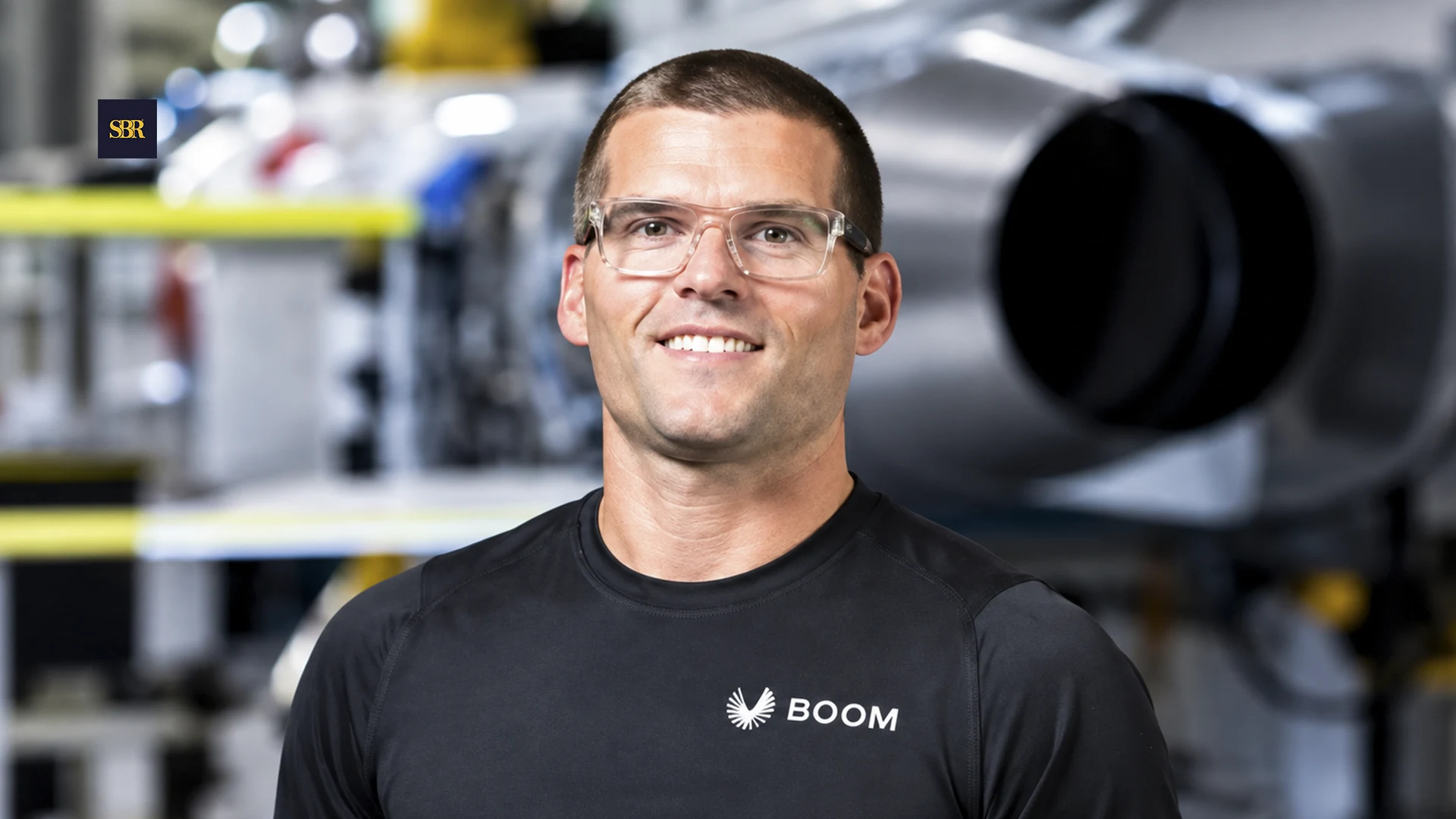
Robert Bush is the founder and CEO of Rivelin Robotics, a Sheffield, England-based company developing robotic systems for automated metal finishing. He founded the business in 2018 after working in metal additive manufacturing, where he encountered the challenges of removing support structures and finishing printed metal components. Bush holds a master’s degree in engineering from Imperial College London and studied at Bristol Robotics Laboratory. Before founding Rivelin, he worked in strategy and finance at Strategy&/PwC and EY. At Rivelin, he leads the company’s commercial strategy, fundraising and business operations as it expands sales of its NetShape robotic finishing technology to aerospace, defense and other industrial manufacturers.









.webp)