
Electricity demand is reaching levels that are placing new requirements on power generation and transmission infrastructure. Artificial intelligence, data centers, industrial electrification, and automation are adding substantial electricity loads, while grid expansion can require years of planning, permitting and construction. For businesses that need additional power, generating electricity at or near the point of use offers another way to meet their energy requirements.
Bloom Energy specializes in energy technology for on-site power generation. It grew from NASA-related research led by founder, Chairman and CEO KR Sridhar and has since expanded its solid oxide technology into a range of energy applications. Bloom Energy Servers generate electricity from natural gas, biogas or hydrogen through a noncombustion electrochemical process. Beyond onsite power, Bloom’s portfolio includes microgrids, electrolyzers, carbon capture, heat capture and marine energy systems.
From NASA Research to Commercial Power
Bloom Energy’s origins date to 2001, when Sridhar was working at the University of Arizona’s Space Technologies Laboratory on an electrolyzer designed for NASA Mars missions. The technology was intended to convert carbon dioxide into oxygen for propulsion and life support. Bloom later applied solid oxide technology to electricity generation, shipping its first 5-kilowatt field trial unit to the University of Tennessee, Chattanooga, in 2006 and launching the Bloom Energy Server commercially in 2008.
More than two decades later, Bloom has expanded its technology platform across several areas of the energy system. The company’s portfolio includes primary onsite power, AlwaysON Microgrids, electrolyzers, hydrogen fuel cells, biogas, carbon capture, heat capture and marine applications. Bloom also serves industries such as data centers, manufacturing, health care, retail, utilities, oil and gas, education, biotechnology and telecommunications.
Generating Power Where It Is Used
The Bloom Energy Server is a distributed generation platform designed to produce electricity at the point of use. Its solid oxide fuel cells convert fuel and air into electricity through an electrochemical process rather than combustion. The process also produces heat, water and a concentrated carbon dioxide stream that can be directed toward carbon capture applications.
The modular Energy Server architecture allows installations to be configured for different electricity requirements. Bloom says its systems can operate around the clock and can be deployed as primary power or within microgrid configurations. The company currently states that its Energy Servers can be installed and operational in as little as 90 days and can reach up to 99.999% availability through modular redundancy.
Solutions Across Power and Industry
Bloom’s portfolio extends beyond onsite electricity generation. Its AlwaysON Microgrid platform can operate alongside the utility grid and provide power during outages. Heat capture technology can use heat produced by the Energy Server for applications involving hot water, steam and cooling, while carbon capture can use the concentrated CO₂ stream generated during fuel cell operation. Bloom also offers electrolyzers that use solid oxide technology to produce hydrogen.
Fuel flexibility gives Bloom’s platform several pathways for electricity generation. Its solid oxide systems can use natural gas, biogas and hydrogen, while dedicated hydrogen fuel cell systems can generate electricity from hydrogen. Bloom also has marine applications and solutions for industries with substantial electricity requirements. The company’s portfolio allows customers to select primary power, microgrids, hydrogen, biogas, carbon capture and other technologies according to their energy requirements.
Power for an AI-Driven Economy
The growth of artificial intelligence has made access to large quantities of electricity an important consideration for data center operators. Bloom has expanded its presence in this sector as companies seek power for computing infrastructure without waiting solely for new grid capacity. In 2025, Bloom announced an agreement with Oracle Cloud Infrastructure to deploy fuel cell systems at selected AI data centers, while a 2024 agreement with American Electric Power covered up to 1 gigawatt of fuel cells for AI data center applications.
Bloom’s recent activity has also included new products and partnerships for faster onsite power deployment. In August 2026, the company introduced Power Connect, a deployment system that Bloom says can reduce onsite power installation time by more than 40%. Earlier that month, Bloom announced an expanded partnership with MiTAC Computing Technology involving onsite power for AI infrastructure. These developments reflect the growing role of onsite generation as businesses seek additional electricity capacity alongside existing grid infrastructure.
ABOUT | KR SRIDHAR, PH.D.
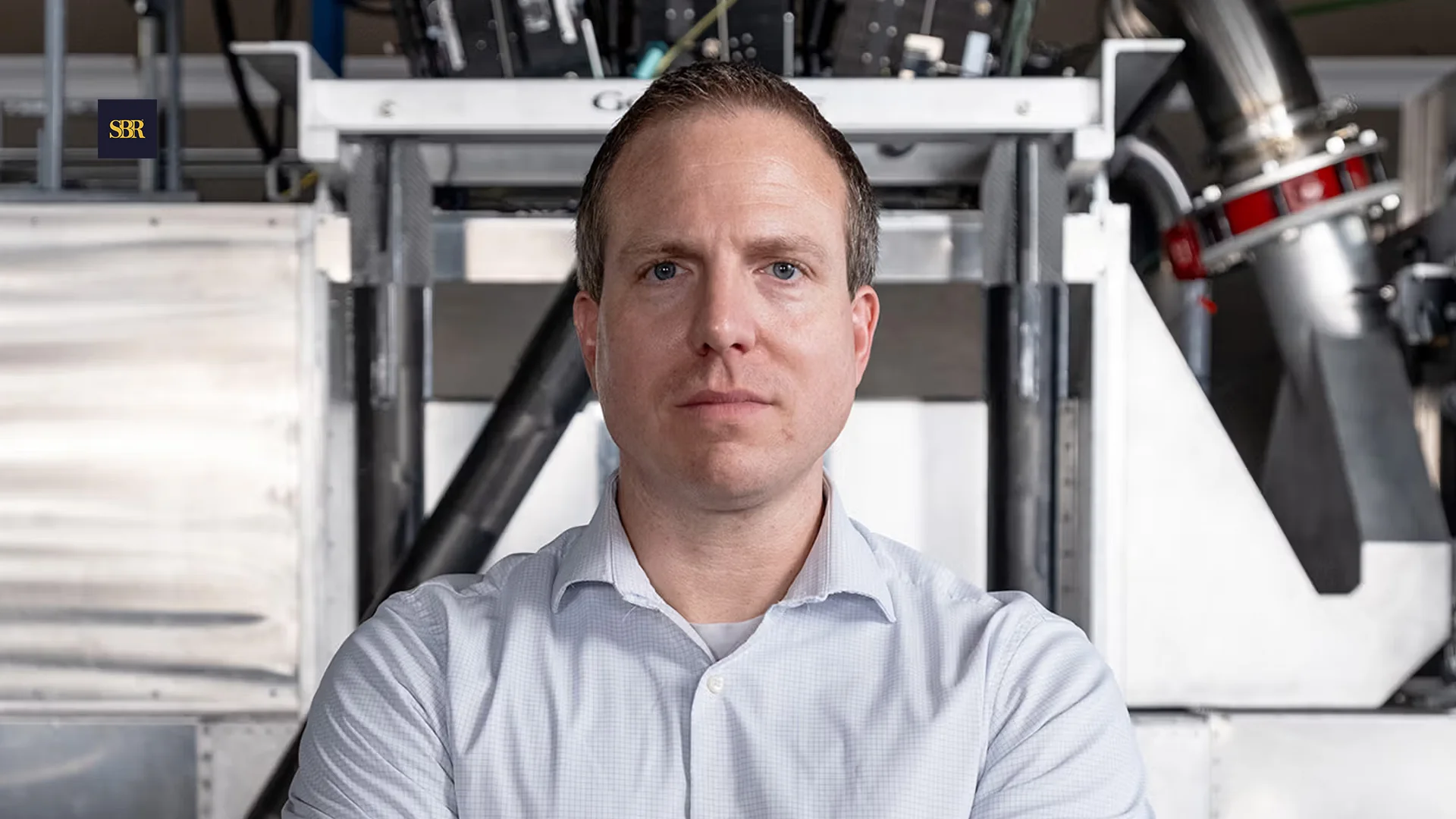
KR Sridhar, Ph.D., is Founder, Chairman and Chief Executive Officer of Bloom Energy. Before founding the company, Sridhar served as Director of the Space Technologies Laboratory at the University of Arizona, where he was also a professor of Aerospace and Mechanical Engineering. His work at the laboratory included research for NASA Mars exploration and flight experiments.
Sridhar served as an advisor to NASA and led collaborations involving industry, universities, and national laboratories. His work for the NASA Mars program to convert Martian atmospheric gases into oxygen for propulsion and life support was recognized by Fortune Magazine, which named him among its top five futurists “inventing tomorrow, today.”
Sridhar serves on the Board of Directors of C3.ai, Inc., the External Advisory Board of Caltech’s Resnick Sustainability Institute and the Board of Visitors of the Grainger College of Engineering at the University of Illinois Urbana-Champaign. He has also served as a strategic limited partner at Kleiner Perkins Caufield & Byers and as a special advisor to New Enterprise Associates.
An early pioneer in green technology, Sridhar has served on technical committees, panels, and advisory boards and holds numerous publications and patents. He is a member of the National Academy of Engineering in the United States and the Indian National Academy of Engineering. He earned a bachelor’s degree in Mechanical Engineering with Honors from the University of Madras, now NIT, Tiruchirappalli, a master’s degree in Nuclear Engineering and a Ph.D. in Mechanical Engineering from the University of Illinois Urbana-Champaign.












ft 1.webp)
ft.webp)
ft.webp)
ft.webp)
ft.webp)
ft.webp)