Letara Ltd. is a Japanese aerospace startup developing hybrid rocket propulsion systems for satellites, launch vehicles and spacecraft. Founded in 2020 as a spinout from Hokkaido University, the company is headquartered in Sapporo, Hokkaido. Letara’s hybrid rocket engines use plastic as solid fuel and store the oxidizer separately until combustion begins. This configuration keeps the two propellant components apart during storage and allows the engine to generate thrust when they meet during combustion. Letara is developing propulsion systems for CubeSats, larger satellites, and spacecraft that require chemical thrust for orbital maneuvers. The company is also working on larger rocket engines for launch providers and government customers, extending its product range beyond small-satellite propulsion.
Letara’s technology draws on research conducted at Hokkaido University’s Laboratory of Space Systems. The company’s proprietary Camui technology uses a specialized fuel-grain design to regulate combustion and generate thrust. Its ignition system is designed to permit repeated engine starts, allowing spacecraft to perform multiple maneuvers during a mission. Regenerative cooling helps manage heat during engine operation and limit nozzle erosion. Plastic fuel can be manufactured in different shapes to suit engine configurations and mission requirements. The main engineering challenges include reliable ignition, consistent combustion, thermal management, and repeatable performance across different engine sizes. Ground tests provide evidence of engine operation, but flight testing is necessary to establish how the propulsion systems perform in space.
Satellite Propulsion Systems
Satellites use propulsion to reach assigned orbits, change altitude, maintain orbital positions, and avoid collisions with space debris. Some spacecraft also require propulsion to leave orbit at the end of their operating lives. Letara is developing hybrid thrusters for these tasks, using plastic fuel stored separately from the oxidizer. Chemical propulsion can provide higher thrust than many electric propulsion systems, which typically use propellant efficiently but may require longer periods to complete orbital maneuvers. Letara’s engines are being developed for satellite manufacturers and operators that need propulsion for orbital insertion, repositioning and transfers between orbital paths. Their suitability for these missions will depend on demonstrated thrust, fuel consumption, reliability and service life.
The company is also developing propulsion systems for orbital transfer vehicles, which move spacecraft between orbits after launch. These vehicles can carry satellites from an initial deployment orbit to a different operational orbit. Multiple engine starts would allow a spacecraft to perform separate maneuvers during a mission without relying on a single continuous burn. Letara is designing propulsion units for spacecraft ranging from CubeSats to larger commercial satellites. Before adopting the engines, satellite manufacturers will need performance data and evidence that the systems can operate reliably in space. Integration with spacecraft structures, propellant tanks and mission-control systems will also factor into procurement decisions.
Funding and Partnerships
Letara raised approximately ¥2.6 billion in a pre-Series A funding round completed on August 20, 2026. Headline Asia, JIC Venture Growth Investments and Incubate Fund co-led the round. Additional investors included Toyoda Gosei, NES Corporation, Frontier Innovations, Mitsubishi UFJ Capital and SMBC Venture Capital, along with other Japanese investment firms. Earlier financing had brought the company’s cumulative capital raised to approximately ¥1.8 billion by 2025. The latest round gives Letara additional capital for larger rocket-engine development, propulsion testing and preparation for commercial production. The financing also comes as the company pursues customers in commercial space, launch services and defense.
Letara has participated in Japanese space-sector programs and industrial partnerships. In November 2025, it became a Japan Aerospace Exploration Agency (JAXA) Partner Startup. The company was selected for the government’s J-Startup program in March 2025 and received funding through the New Energy and Industrial Technology Development Organization’s Deep-Tech Startups Support Program. The program’s PCA phase provides for funding of up to ¥1 billion, tied to development milestones and a planned in-orbit demonstration. In April 2025, Letara and Innovative Space Carrier entered a partnership to co-develop a large hybrid rocket engine, with a first spaceflight targeted for 2028. The agreement extends Letara’s work from satellite propulsion to engines designed for larger launch vehicles.
Commercial Defense Applications
Letara is developing larger propulsion systems for space, defense and security applications alongside its satellite engines. Potential customers include satellite operators, launch companies and government agencies requiring propulsion for spacecraft maneuvers or launch missions. The use of plastic fuel and a separately stored oxidizer defines the system’s propellant configuration, while the fuel-grain design allows different engine geometries. Whether these features produce a cost or operational advantage will depend on test results and comparisons with competing propulsion systems. Commercial adoption will also depend on engine performance, production consistency, unit costs, and the ability to meet customer specifications. Larger engines require additional engineering and testing beyond the work needed for satellite thrusters.
A planned in-orbit firing demonstration with an overseas partner is a major milestone for the propulsion program. The test would evaluate engine ignition and combustion under spaceflight conditions, where the company cannot rely on ground-based infrastructure. Successful operation would provide evidence beyond laboratory and ground testing, although a single demonstration would not establish long-term reliability or commercial readiness. Letara will also need repeatable manufacturing and quality-control procedures before producing engines at commercial scale. Expansion into larger rocket systems will require further testing, customer agreements, and production investment. The ¥2.6 billion funding round provides capital for this work, while commercial results will depend on flight performance and the conversion of development programs into completed contracts and delivered propulsion systems.
ABOUT | LANDON KAMPS
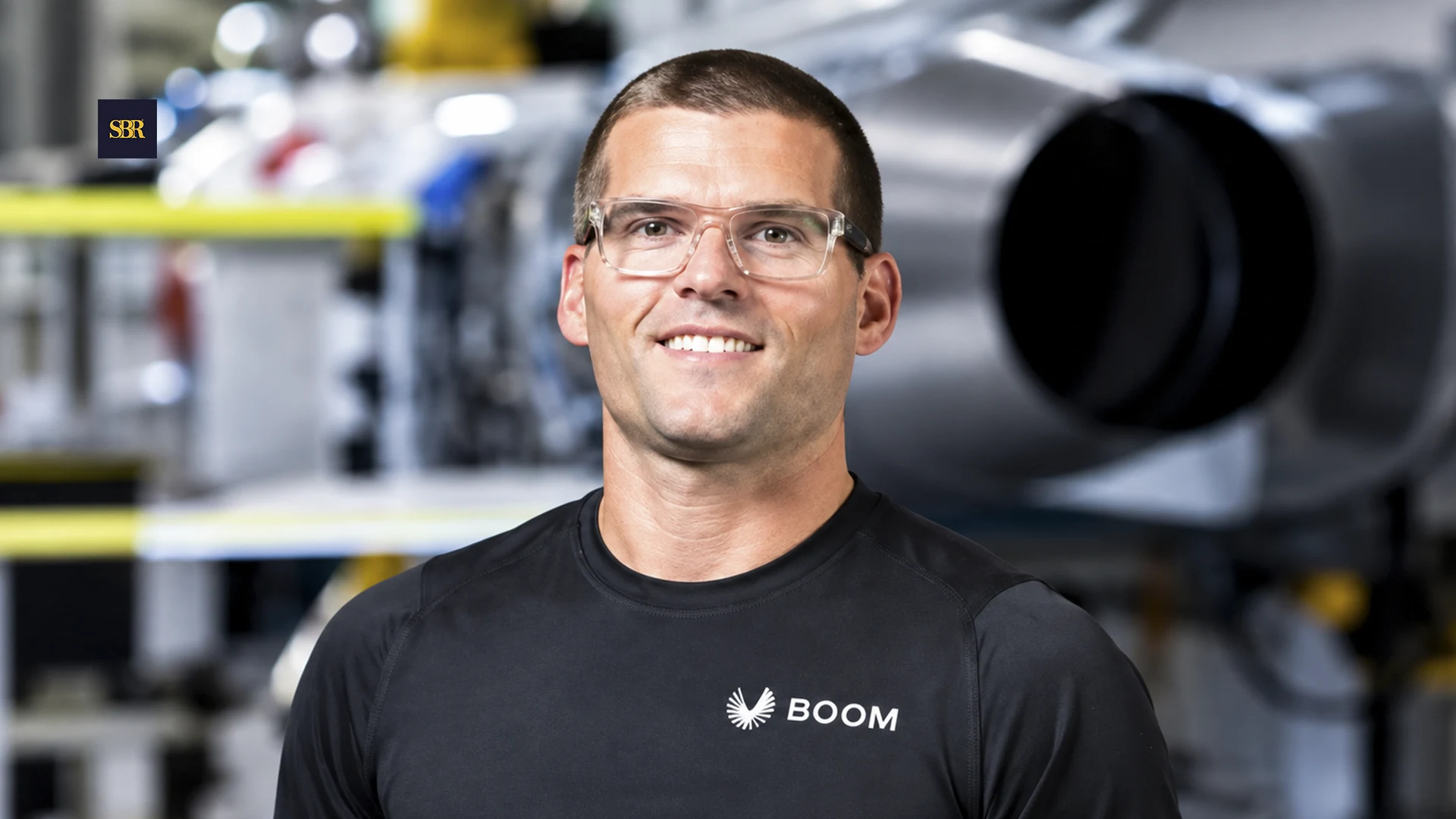
Landon Kamps is the founder and co-CEO of Letara Ltd., a Japanese aerospace startup developing hybrid rocket propulsion systems. He also serves as an adjunct associate professor at Hokkaido University, where his research has focused on hybrid rocket combustion, fuel behavior, and nozzle erosion. Kamps earned a bachelor’s degree in aerospace engineering from the University at Buffalo, followed by a master’s degree and a Ph.D. in aerospace engineering from Hokkaido University. Before entering academia and aerospace entrepreneurship, he served as a platoon leader and company executive officer in the U.S. Army. At Letara, Kamps has led work on the development and commercialization of CAMUI hybrid rocket engines for satellite propulsion and larger spaceflight applications.