Pest infestations can remain hidden inside trees for months, allowing damage to progress before farmers know a tree is affected. The Red Palm Weevil is particularly difficult to detect because much of its life cycle takes place inside palm trees. By the time external signs appear, the infestation may already have caused substantial damage, leaving growers with fewer options for protecting their crops.
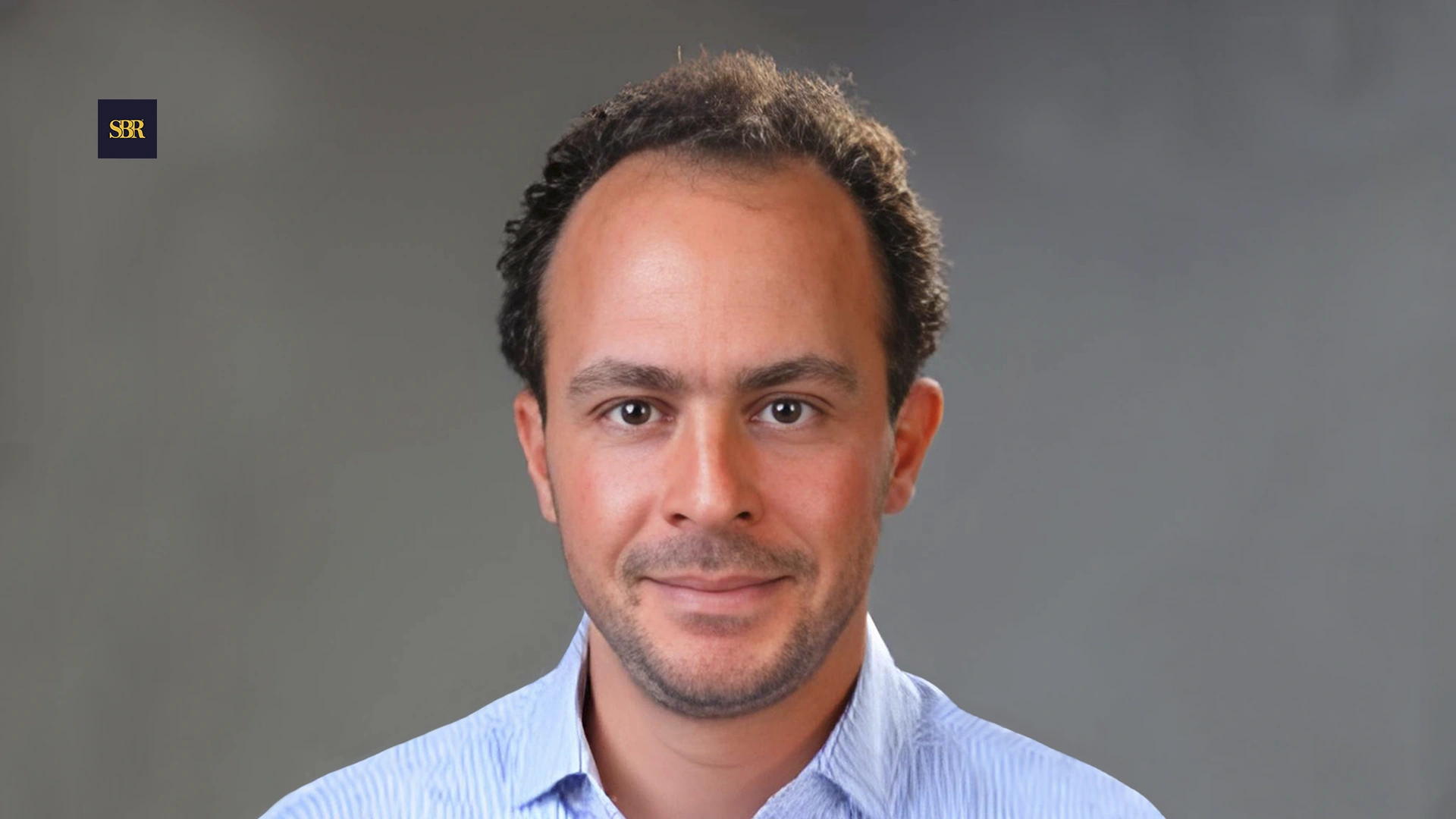
Palmear is an AgriTech company using artificial intelligence and bioacoustics to detect pests inside trees at an early stage. Founded by Zeid Sinokrot, the company created an acoustic sensing system that allows farmers to listen for signs of pest activity and receive an automated assessment through a mobile application. Palmear has since expanded its work into pest monitoring, plantation health, and agricultural data analytics.
Listening for Hidden Pest Activity
The idea for Palmear emerged from Sinokrot’s experience with his family’s date farm near Jericho. He saw the difficulties farmers faced when trying to identify Red Palm Weevil infestations and began looking for a technological way to listen inside trees. Conventional methods included using a stethoscope to detect sounds associated with pest activity, but the process depended heavily on human hearing and experience.
Palmear spent several years developing an acoustic device and the artificial intelligence needed to interpret the sounds it records. The device is connected to a mobile application, allowing users to collect acoustic signals from inside a tree. The system analyzes those signals and identifies indications of pest activity. The process is designed to be portable and accessible to farmers without specialist technical knowledge.
From Detection to Targeted Treatment
Early identification gives growers more time to assess an affected tree and decide what treatment is appropriate. Instead of applying pesticides across an entire plantation, farmers can identify trees showing signs of infestation and focus treatment where it is needed. Palmear says that in some cases, its technology has helped reduce total pesticide consumption by more than 40% during a season.
Reducing unnecessary chemical use also has implications for agricultural production and the surrounding ecosystem. Palmear describes its detection method as non-invasive and designed to identify pests while they are still at an early stage. Although Red Palm Weevil detection remains a major application, the technology can also be used with other tree species, including mango, coconut and avocado.
Expanding Into Agricultural Intelligence
Palmear’s work extends beyond the inspection of individual trees. The company operates an Integrated Pest Management platform that brings together field data, IoT sensors, satellite imagery and analytics. Farmers and plantation operators can map pest hotspots, monitor pest populations and review reports relating to plantation health. The platform is also intended for larger-scale use by public-sector organizations monitoring infestations across wider geographic areas.
The additional data gives growers information that can be used when making decisions about water, fertilizer, chemicals and pesticides. Palmear is also expanding its agricultural technology work into soil-health measurement and applications for vertical and indoor farming. As the company collects more acoustic recordings from different locations and crops, those datasets can be used to train its AI systems to distinguish pest activity from other sounds detected inside trees.
Taking New Technology to Farmers
Creating the technology is only one part of introducing a new agricultural tool. Farmers may be accustomed to established pest-control methods and can be cautious about adopting unfamiliar systems. Palmear has therefore relied heavily on field demonstrations, visiting agricultural regions affected by the Red Palm Weevil and showing growers how the device works in real conditions.
Sinokrot’s experience has shown that seeing the technology operate on an affected tree can make the concept easier for farmers to understand. Palmear has worked with agricultural organizations, governments and growers across countries including Jordan, Saudi Arabia, the UAE, Indonesia and the Philippines. What began with a problem observed on a family farm near Jericho has grown into an agricultural technology company focused on detecting hidden biological activity and giving growers more information before pest damage becomes severe.
ABOUT | ZEID SINOKROT
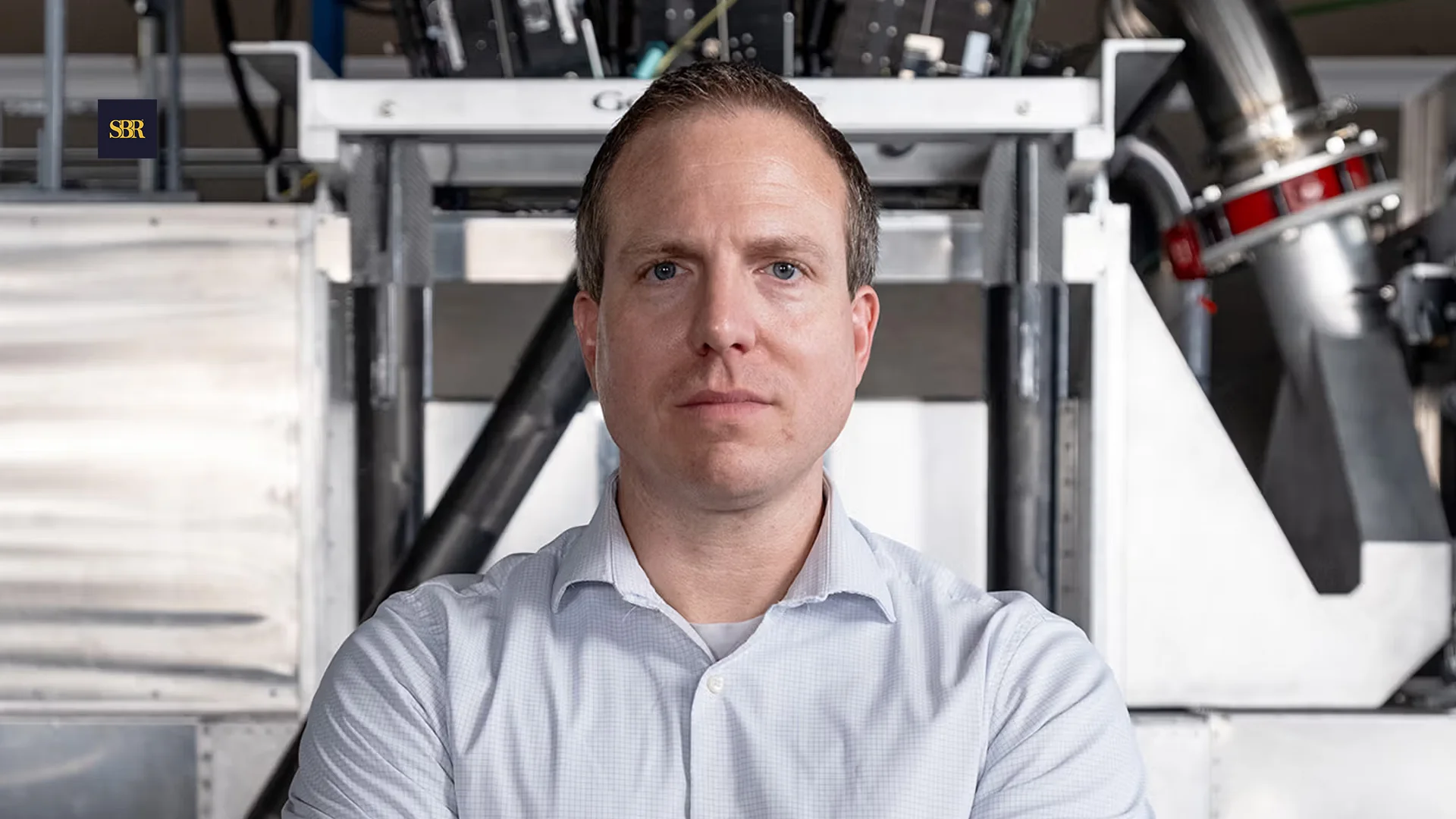
Zeid Sinokrot is the founder and CEO of Palmear, an agritech company using artificial intelligence and bioacoustics for early pest detection and agricultural monitoring. His work with Palmear grew from his experience with his family’s date farm near Jericho, where he witnessed the damage caused by the Red Palm Weevil and began exploring ways to detect infestations before visible damage occurred.
Sinokrot holds a bachelor’s degree in Manufacturing Engineering and Management from the University of Nottingham and a master’s degree in Logistics, Trade and Finance from Cass Business School. He has led Palmear from its early focus on Red Palm Weevil detection into a wider agricultural technology platform covering pest monitoring, plantation health and data analytics.








.webp)