
Hydrogen is usually associated with industrial production, but hydrogen gas also occurs naturally beneath the Earth’s surface. Geological reactions involving water and iron-rich minerals can generate hydrogen over millions of years, allowing the gas to move through underground formations and, under the right geological circumstances, accumulate in reservoirs. This naturally occurring resource has attracted attention as a potential source of low-carbon energy because the hydrogen molecule already exists underground.
Koloma is a data-driven natural hydrogen exploration company that uses proprietary technology, exploration data, geochemistry, and scientific expertise to identify and produce naturally occurring hydrogen in the United States and other parts of the world. The company examines where hydrogen may have formed, how it may have migrated, and where it could have accumulated through geological research, laboratory analysis, geophysical surveys, and exploration operations.
Understanding Natural Hydrogen
Natural hydrogen forms through geological reactions that take place beneath the Earth’s surface. Iron-rich source rock can provide minerals involved in hydrogen generation, while groundwater moves through fractures and faults and reacts with minerals such as olivine and pyroxene. During a process known as serpentinization, these reactions generate hydrogen gas. The gas can then move through cracks and pores in underground rock and, where geological structures allow, become trapped beneath formations that can hold it.
This differs from manufactured hydrogen, where the hydrogen molecule must be produced from electricity, natural gas, biomass, or another feedstock. Natural hydrogen begins with exploration: identifying where the Earth has already generated hydrogen and determining whether it has accumulated in quantities that could be accessed responsibly. Koloma is focused on this exploration challenge, using scientific data to narrow large geological regions into specific areas for potential drilling.
Data-Driven Exploration
Koloma uses several geophysical techniques to examine underground formations while limiting surface disturbance. Airborne gravity and magnetic surveys can identify subsurface geological structures and variations in iron content. Passive acoustic surveys use sensors on the ground to record natural sounds from beneath the surface, while active acoustic surveys send sound waves into the ground and analyze the returning signals to map underground rock layers. Magnetotelluric surveys measure naturally occurring electromagnetic signals to gather additional information about subsurface geology.
The company’s laboratory work adds another layer of analysis. The Koloma Lab examines solid, liquid, and gas samples using advanced analytical instruments, proprietary technology, custom workflows, and real-time data processing. Information from these samples can be evaluated alongside exploration and geophysical data to build a more detailed picture of natural hydrogen systems and help identify locations that warrant further investigation.
Energy and Industrial Applications
Natural hydrogen could serve as a fuel, feedstock and energy carrier across several industries. Koloma identifies potential applications including data centers, fertilizer production, sustainable aviation fuel, heavy transportation, 24/7 power generation and industrial processes where replacing existing energy sources can be difficult. Where viable underground accumulations are found, natural hydrogen could offer a resource that is not dependent on weather or time of day.
The resource also has different input requirements from many manufactured hydrogen pathways. Production methods based on electrolysis, natural gas, or other feedstocks can require substantial electricity, heat, water, or other resources. Natural hydrogen starts with a molecule that has already formed underground. If commercially viable accumulations can be located and accessed responsibly, this could create another source of low-carbon fuel and energy for sectors that require reliable power.
Safety and Environmental Stewardship
Exploration and production of underground hydrogen require careful management of wells, gases, groundwater and surrounding land. Koloma incorporates gas monitoring, well construction, groundwater protection and land restoration into its field operations. Personnel at active sites use portable monitors that measure gas concentrations in real time, while wells use multiple layers of cement and steel casing to isolate the wellbore and protect groundwater and surrounding ecosystems.
Koloma also works within applicable local, state and federal regulations before beginning operations in new areas. Its regulatory framework can include requirements under the Clean Air Act, Clean Water Act, National Environmental Policy Act and Endangered Species Act, together with state and local permitting requirements. By linking geological research, laboratory analysis, geophysical surveys and field operations, Koloma is working to determine where natural hydrogen exists underground and whether these accumulations can become a viable source of low-carbon energy.
ABOUT | PETE JOHNSON
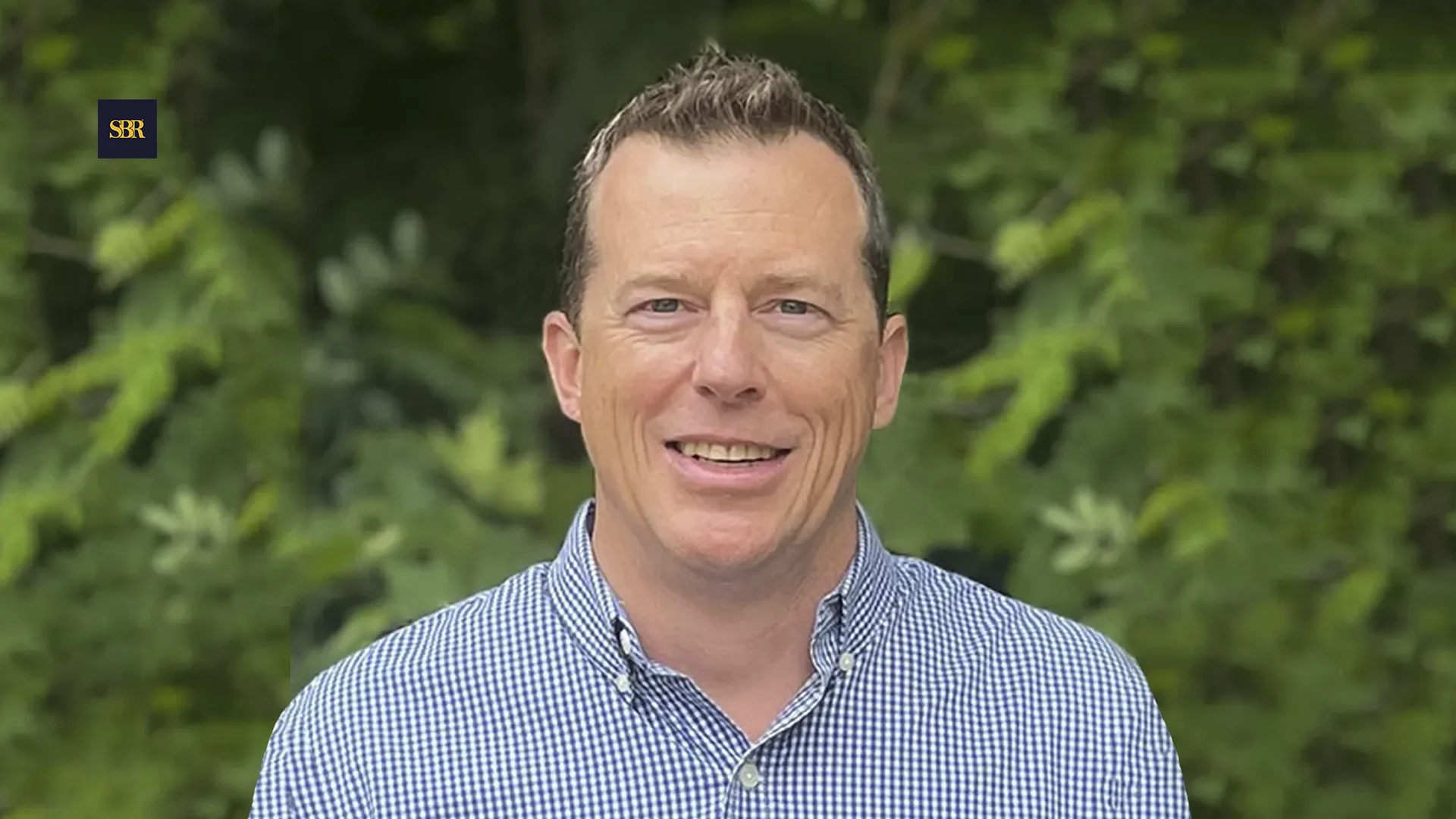
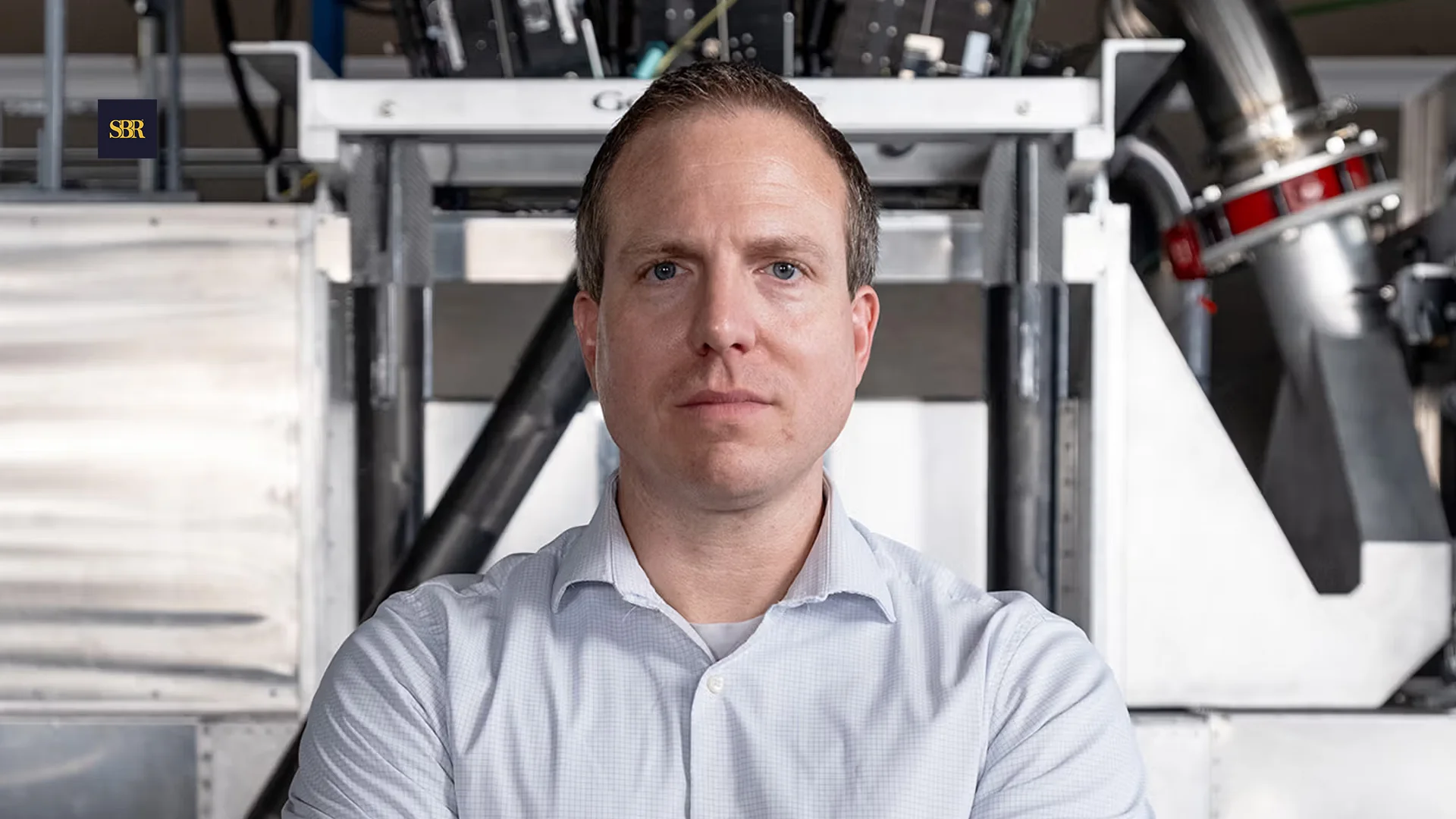
Pete Johnson is the founder & CEO of Koloma, a natural hydrogen exploration company. Before joining Koloma, Johnson was Co-Founder, President and Chief Technology Officer of Monolith Materials, where he worked on the company’s large-scale methane pyrolysis hydrogen production facility.
Johnson has also held investment, engineering and product development roles across the renewable energy sector. He served as a Venture Partner at Azimuth Capital Management, led engineering and product development at AREVA Solar, and advised the U.S. Department of Energy. Johnson holds a master’s degree in mechanical engineering from Stanford University and a bachelor’s degree in physics from the University of Utah, where he graduated summa cum laude.









.webp)