Chemical production is heavily centralized and dependent on fossil fuels, leaving manufacturers vulnerable to geopolitical conflicts and natural disasters. Rise Reforming commercializes a modular process that converts underused biogas on-site into low-carbon, supply-secure chemicals. The U.S. produces enough biogas to make more than $20 billion worth of chemicals each year, yet 60% is wasted in low-margin applications or flared.
Rise Reforming converts biogas from wastewater treatment plants, farms and landfills into dimethyl ether (DME), methanol and dimethyl carbonate (DMC). The products offer low-carbon alternatives to conventional chemicals while reducing reliance on fossil-fuel feedstocks and vulnerable supply chains. The initial focus is wastewater treatment plants, followed by dairy farms and landfills. Rise Reforming was incorporated in Chicago in 2024.
Three Steps from Biogas to Syngas
Rise Reforming's patent-pending process integrates three commercialized steps into one system: biogas cleaning, bi-reforming and syngas upgrading. Raw biogas from wastewater plants, farms and landfills is cleaned of contaminants and prepared for reforming. The treated biogas is then mixed with steam and sent through a proprietary reformer, where methane, carbon dioxide and water are converted into syngas.
The syngas is then upgraded into DME, methanol or DMC. Syngas serves as a building block for dozens of chemicals and fuels, creating multiple product applications from the same feedstock. The process enables DME to compete on price with petrochemical DME as well as the least expensive green methanol and DMC. More than 1,800 hours of reforming operation have been completed at laboratory scale using synthetic biogas, with stable operation recorded throughout the test period.
Modular Production at the Source
The technology fits inside a shipping container, allowing chemical production at facilities where biogas is generated. The modular format allows units to be added or removed as facility requirements change, while in-situ production gives operators access to locally available biogas without moving the feedstock through conventional supply networks. The system also offers quicker deployment, shorter payback periods and a simpler permitting process.
The product portfolio includes DME, methanol and DMC. DME is used as an aerosol propellant, low-carbon fuel additive in propane and refrigerant. Methanol is an established billion-dollar chemical with potential use as a low-carbon shipping fuel. DMC has applications in battery production, solvents, and chemical feedstocks. The modules use waste gases and avoid the extraction, processing, and transportation of fossil raw materials. Rise Reforming also has a dealer network with commissions, customer-success bonuses, dealer pricing, training, demonstrations, product experts, and industry resources.
The company has completed its proof of concept after more than 1,800 hours of stable syngas production, with pilot designs ready for deployment. Its Chicagoland wastewater plant pilot is scheduled for the first quarter of 2027 and will convert wastewater biogas into methanol. The project is the first wastewater biogas-to-methanol demonstration in the Americas. Rise Reforming has a conditional DME offtake agreement for its first commercial unit, raised $650,000 in pre-seed funding in December 2025, and has raised more than $1.7 million in total. The company has also secured supply agreements, offtake agreements, and letters of intent, joined the IIT incubator, and received the European Aerosols Federation 2025 Start-Up Award. George Rose was named a Climate Fellow by the 776 Foundation.
ABOUT | GEORGE ROSE
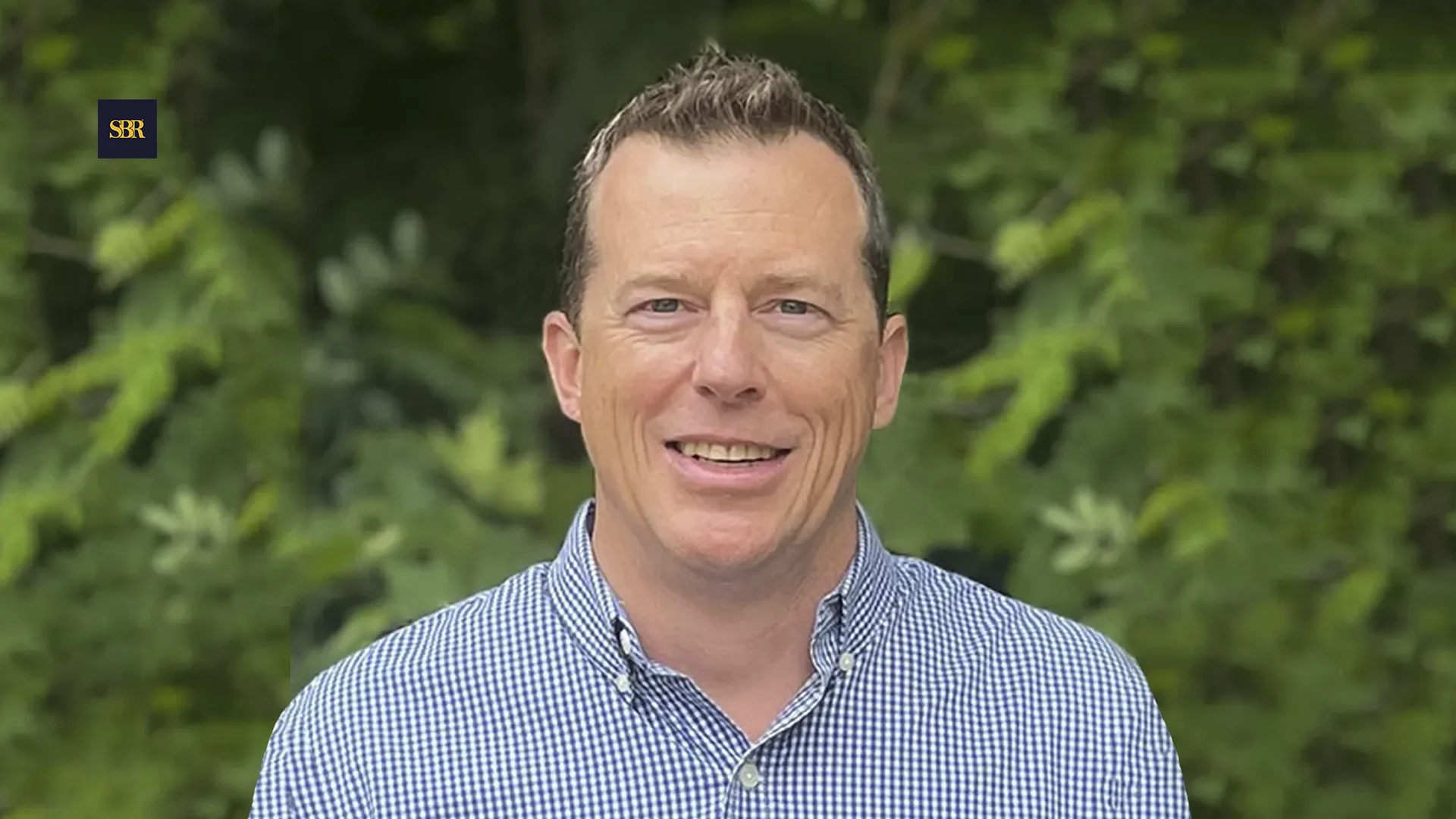
George Rose, co-founder, is the CEO of Rise Reforming, a Chicago-based chemical manufacturing company focused on converting waste biogas into supply-secure, low-carbon chemicals. He earned a bachelor's degree in Molecular Engineering from the University of Chicago, where he co-founded Rise Reforming with Lucas Zubillaga and Jona van Oord while they were undergraduate students.
Rose has worked in climate technology and chemical engineering, with previous experience at Nexamp, Highland Electric Fleets, Mantel Capture, and GenH. His work has focused on scaling technologies that address climate change. Before Rise Reforming changed its feedstock focus to biogas, the company worked on converting post-industrial plastic waste into chemicals.