
Verustruct is a construction technology startup developing robotic systems for residential building fabrication. Founded by Nicholas Callegari, the startup emerged from Yale University’s entrepreneurship and innovation network and was previously known as Impact3D. The startup uses a translational slipform system to form concrete walls without the large, fixed gantry frames used by many construction-scale 3D printers. Instead, the equipment moves with the structure as construction progresses, using the developing walls as its reference and support. This design could reduce machinery requirements and allow robotic equipment to operate across different residential sites.
The process begins with digital building plans that software converts into robotic instructions. A wall-laying robot forms the concrete structure, while separate robotic equipment routes mechanical, electrical, and plumbing (MEP) services through channels incorporated into the walls. Another machine handles insulation and surface finishing. Coordinating these operations could reduce the number of separate stages required to complete a wall system. Potential applications include accessory dwelling units, single-family homes, townhouses, multifamily buildings and workforce housing. Verustruct has set targets of reducing construction costs by up to 50% compared with conventional methods and completing the integrated wall system for a single-family home in less than two days. These figures remain projections rather than independently verified results from completed residential projects.
Integrated Utility Installation
Conventional construction often requires workers to cut channels into completed walls for electrical wiring and plumbing, install the services, repair the surfaces, and apply finishes. Verustruct is developing a process that incorporates utility pathways during wall fabrication, with dedicated robotic equipment handling MEP installation and finishing. Coordinating these operations could reduce cutting and repair work while allowing software to direct multiple construction tasks. The potential savings will depend on how reliably the system performs each operation and how much labor remains necessary to prepare, operate, and maintain the equipment.
Digital building plans guide fabrication, while software generates robotic instructions and evaluates features such as structural geometry and thermal performance. The equipment uses commercially available concrete-pumping machinery to deliver material, alongside proprietary slipform technology for wall formation. Patent applications cover construction printers that operate without gantry structures, as well as related construction-printing technologies. These filings document work on the technology but do not establish commercial readiness or confirm compliance with all applicable building codes. Before residential deployment expands, the system must demonstrate structural performance, consistent material quality, reliable utility installation, and compliance with local inspection and permitting requirements.
Financing Regional Expansion
Verustruct closed an oversubscribed pre-seed financing round of approximately $2.44 million in September 2025. Necessary Ventures and Anorak Ventures led the round, with participation from Boost VC, Mana Ventures, additional investors, and SOSV through its HAX hardware accelerator. The financing was intended to fund full-scale robotic equipment and demonstrations. For a hardware startup, such milestones help establish whether a prototype can operate reliably outside a laboratory. Full-scale testing can reveal mechanical limitations, material-handling issues, and coordination requirements that smaller experiments may not expose.
In September 2026, Verustruct moved its headquarters to Torrance, California, in the Los Angeles South Bay. The relocation places its engineering operations within Southern California’s construction, manufacturing and engineering base as the startup prepares for field demonstrations. Recruitment for mechanical and electrical engineering roles in Torrance indicates ongoing work on hardware and robotics. Callegari was also named to the Forbes 30 Under 30 list for manufacturing and industry in 2026. These developments raise the startup’s profile, but its next major milestone is technical: demonstrating that the equipment can produce residential wall systems at the required speed, quality and cost. Builders, developers, inspectors and prospective customers will need evidence of performance before adopting the technology at scale.
Residential Deployment Plans
Verustruct’s planned milestones for 2026 include establishing its Southern California headquarters and completing a full-scale demonstration of its translational slipform technology. The next phase is scheduled to include seed financing, further engineering and preparation for pilot projects. Plans for 2027 include constructing an accessory dwelling unit with the system, demonstrating automated MEP installation and wall finishing, and completing an initial single-family home. These are future milestones, not completed projects. Reaching them will require reliable robotic operation, structural validation, coordination with conventional construction trades, and compliance with applicable building codes.
The 2028 roadmap calls for extending automation to electrical and plumbing installation, insulation, reinforcement placement, finishing and painting. Verustruct also plans to seek additional financing after demonstrating a home built with the full system. The proceeds would fund residential production, manufacturing capacity and deployment partnerships. The commercial case depends on whether automation can reduce labor requirements, material waste and construction time without creating additional costs elsewhere in the building process. Builders will also need evidence that the equipment can handle different designs, site layouts and local regulatory requirements. Verustruct has outlined a path toward automated residential construction, but repeatable field performance, completed homes and viable deployment costs will determine whether the technology can move from demonstrations to routine residential use.
ABOUT | NICHOLAS CALLEGARI
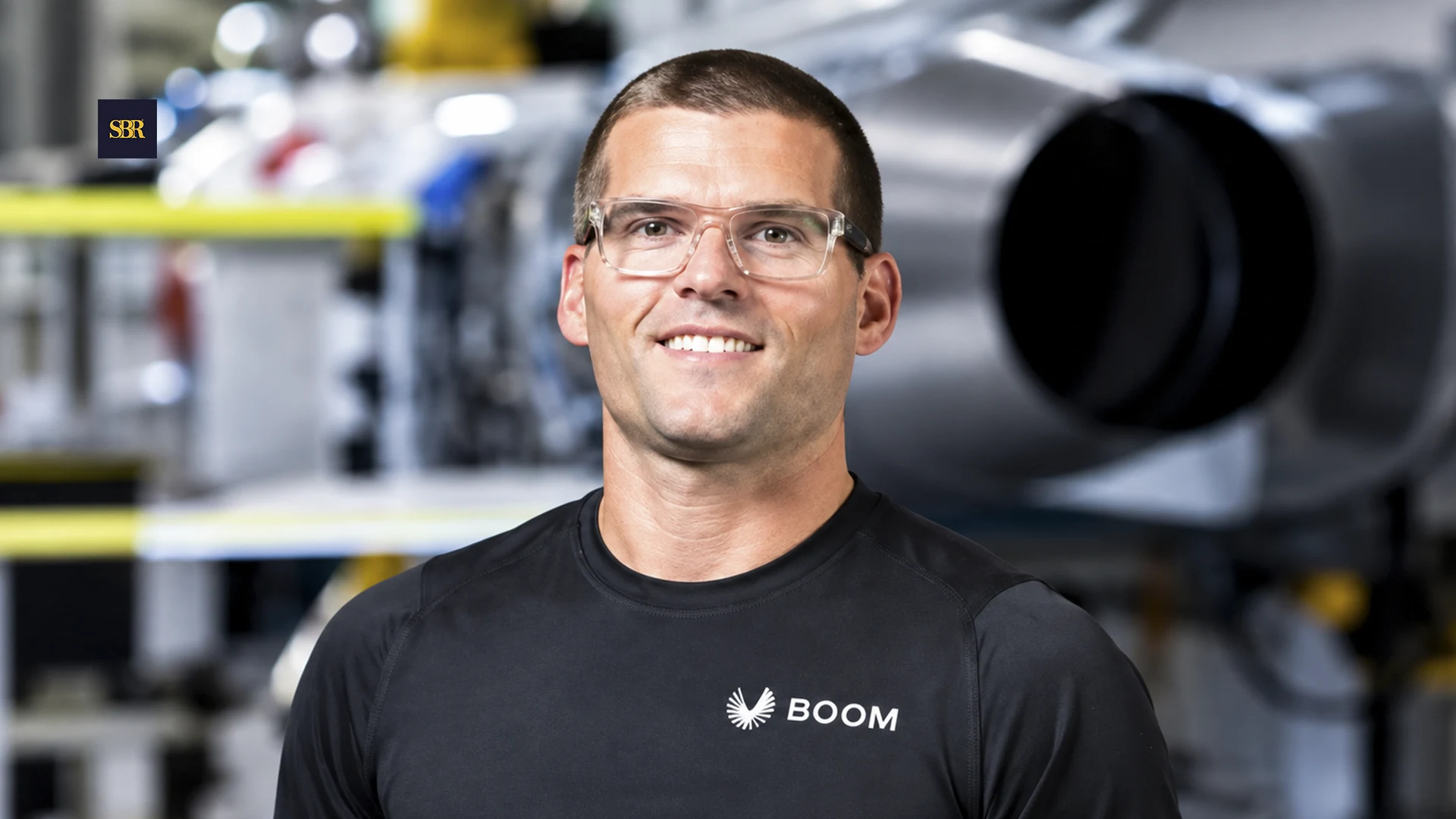
Nicholas Callegari is the founder and CEO of Verustruct, a construction technology startup developing robotic systems for affordable residential housing. He studied robotics and intelligent systems at Princeton University, earned a Master of Engineering degree from the University of California, Berkeley, and completed an MBA at the Yale School of Management in 2025. Before founding Verustruct, Callegari worked as a mechanical engineer at SpaceX, where his work included spacecraft structures associated with the Dragon program and the Polaris Dawn mission. He founded Verustruct, initially known as Impact3D, to develop robotic construction technology that can automate concrete wall fabrication and integrate utilities into residential structures. In 2025, he received recognition through Yale entrepreneurship awards and secured a $2.44 million pre-seed financing round for Verustruct. He was named to the Forbes 30 Under 30 list in Manufacturing and Industry for 2026.









.webp)