The American financial landscape is a dynamic terrain, intricately weaving together the complex mechanisms of both the stock and commodity markets.
American Stock Market
The American stock market stands as a multifaceted financial landscape, prominently featuring two major exchanges, each with its distinct characteristics. The New York Stock Exchange (NYSE), founded in 1792, is a historic institution that has evolved into one of the largest stock exchanges globally. Boasting a diverse listing of domestic and international companies, the NYSE serves as a primary platform for companies to raise capital through initial public offerings (IPOs). Nasdaq, the second-largest exchange, is renowned for its technology-centric listings, hosting many of the world's leading tech companies.
Market indices play a pivotal role in gauging the overall market health. The Dow Jones Industrial Average (DJIA), consisting of 30 blue-chip stocks, is often considered a reliable barometer for the broader market. The S&P 500 Index, encompassing 500 large-cap stocks, provides a comprehensive snapshot of the U.S. stock market. The Nasdaq Composite, heavily weighted towards technology stocks, reflects the performance of a broader spectrum of companies.
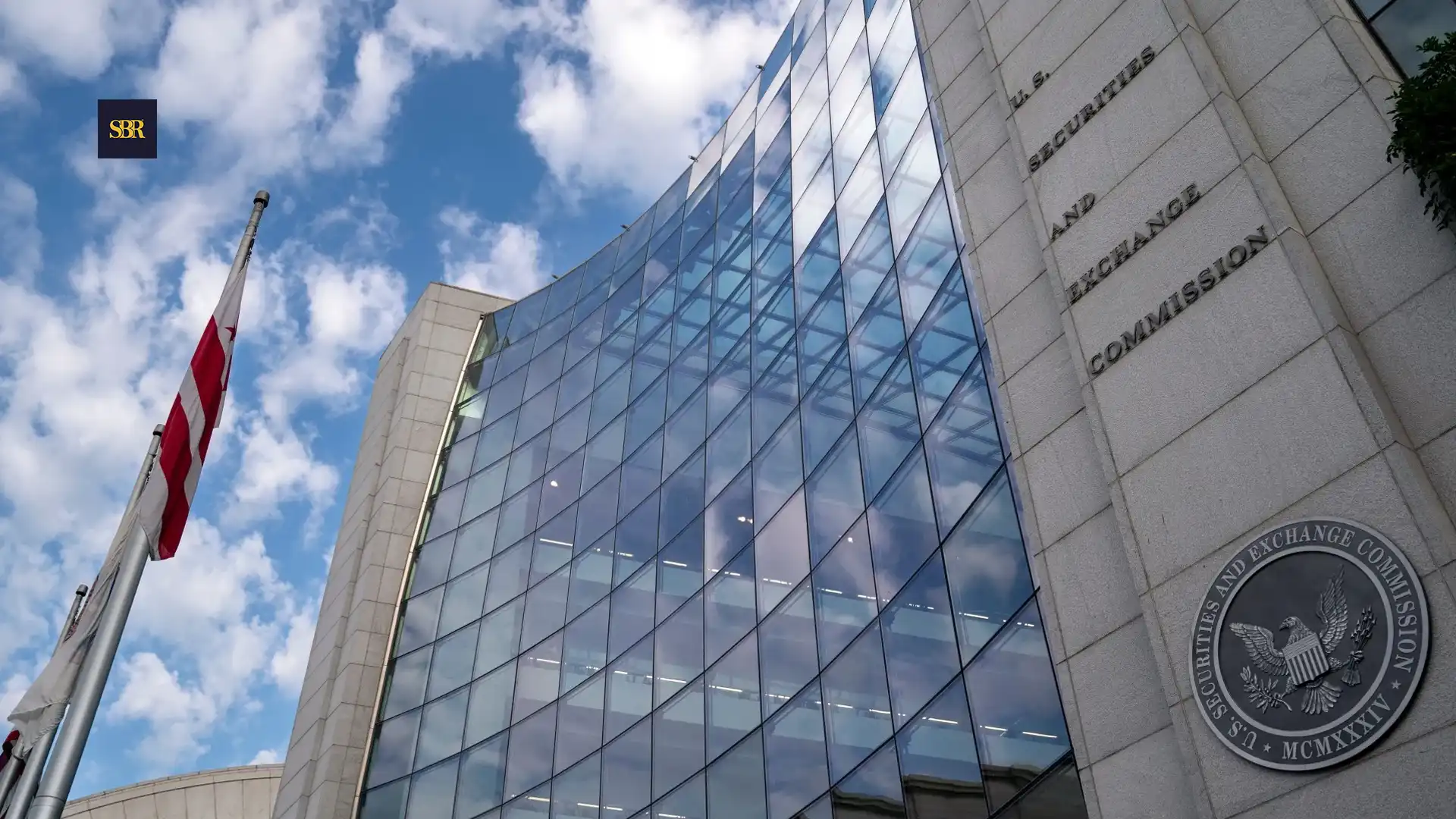
In the contemporary landscape, electronic trading dominates stock exchanges, allowing for rapid and efficient transactions. The Securities and Exchange Commission (SEC) serves as the primary regulatory body, overseeing securities transactions, ensuring market integrity, and protecting investors. Additionally, the Financial Industry Regulatory Authority (FINRA) plays a crucial role in regulating brokerage firms and their registered representatives.
American Commodity Market
The American commodity market operates through robust commodity exchanges, facilitating the trading of futures and options contracts. The Chicago Mercantile Exchange (CME), founded in 1898, is a global derivatives marketplace where investors can engage in the trading of various commodities. From agricultural products like corn and soybeans to energy commodities such as crude oil and natural gas, the CME provides a diverse range of trading opportunities.
The New York Mercantile Exchange (NYMEX) is a vital hub for energy and metal commodities. Futures contracts on commodities like gold, silver, crude oil, and natural gas are actively traded, allowing investors to hedge against price fluctuations or speculate on future price movements.
Commodity trading involves intricate factors influencing prices. Global demand and supply dynamics, geopolitical events impacting commodity-producing regions, and currency movements all contribute to the volatility of commodity markets. The Commodity Futures Trading Commission (CFTC) plays a pivotal role in overseeing and regulating commodity futures and options markets, ensuring fair practices and market integrity.
In essence, both the American stock and commodity markets form integral components of the global financial landscape, each with its unique features, trading mechanisms, and regulatory frameworks. To navigate these markets successfully, investors rely on a combination of historical trends, real-time data, and a comprehensive understanding of the factors influencing market dynamics.