WASHINGTON, Sept. 15, 2026 — The 10-year Treasury yield rose to 5.04% on Tuesday, its highest level since July 2007, as a global sell-off in government bonds intensified amid higher oil prices and expectations of a Federal Reserve rate hike. The yield later eased to around 5%, after moving above that level on Monday for the first time in almost three years.
The latest bond sell-off has drawn greater scrutiny to U.S. borrowing costs and the country’s roughly $40 trillion debt burden. Investors are weighing inflation, monetary policy and federal borrowing as they assess longer-term Treasury yields. The 10-year Treasury yield is a benchmark for debt markets worldwide and influences borrowing costs across financial markets.
Oil Fuels Inflation Fears
Oil prices have become a major factor in the latest bond sell-off as the conflict involving Iran has pushed crude prices higher. Brent crude, the international benchmark, rose 3.2% to $109 a barrel on Tuesday. Higher energy prices have raised concerns about persistent inflation, prompting investors to reassess expectations for interest rates and Treasury securities.
Matt Amis, an investment director at Aberdeen Investments, described the bond sell-off as “relentless” and said investors were abandoning long-held positions. He said higher oil prices were making it difficult for investors to take on additional risk as the latest energy shock added to inflation concerns.

Fed Decision Comes into Focus
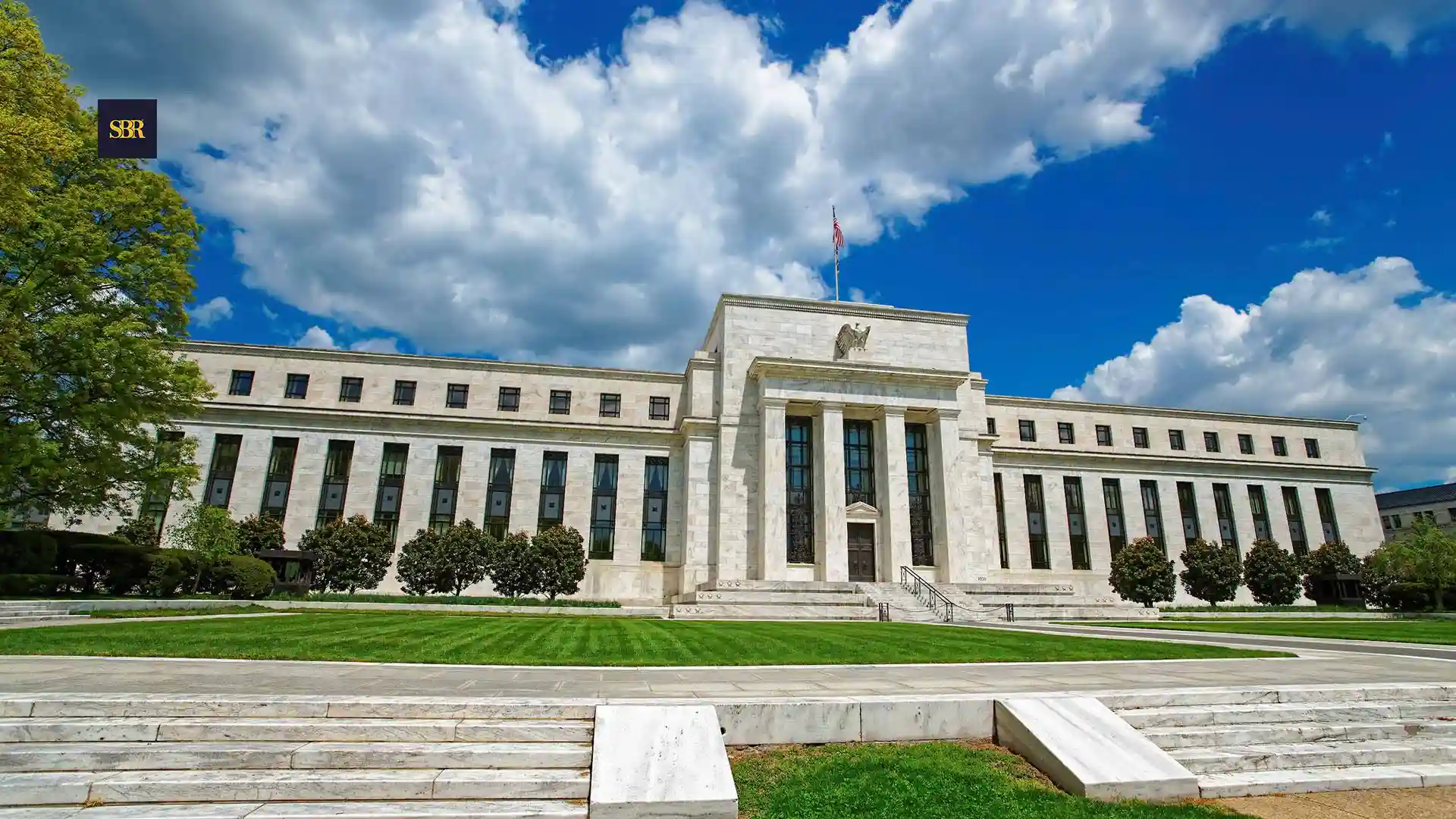
The Federal Reserve is scheduled to announce its latest rate decision Wednesday, with futures markets pricing in a roughly 90% probability of a quarter-point rate hike. Such a move would conflict with President Donald Trump’s calls for lower borrowing costs. Some investors also argue that the Fed under new Chair Kevin Warsh needs to raise rates to demonstrate its commitment to controlling inflation.
The Financial Times reported that investors were also watching the Fed’s credibility on inflation ahead of its decision. Attention has also turned to the U.S. government’s roughly $40 trillion debt burden, as higher Treasury yields raise the cost of financing new borrowing and refinancing maturing securities.
Bond Yields Rise Worldwide
The bond sell-off has extended beyond the U.S. Japan’s 10-year government bond yield reached 3.04% on Tuesday, its highest level in about 30 years, ahead of an expected Bank of Japan rate increase later this week. The 10-year U.K. gilt yield climbed as high as 5.44% before slipping to 5.39%.
Higher borrowing costs are adding to government debt-servicing expenses across major economies. Debt-servicing costs for OECD rich nations have reached more than $2 trillion, according to figures cited by the Financial Times from the OECD. Equity markets also weakened, with the S&P 500 falling 0.2%, the Nasdaq 100 declining 0.1% and the Stoxx Europe 600 dropping 0.3%.

Photo credit: USDT
Investors Watch Bond Risks
A Bank of America survey of global fund managers found that a disorderly rise in bond yields had become the most frequently cited market risk, overtaking concerns about an AI bubble. One-third of respondents identified the rise in bond yields as their biggest market risk. Short positions in U.S. Treasuries were also the second-most crowded trade, behind long positions in global semiconductor stocks.
Strategists said U.S. borrowing costs may need to rise further before stocks face more significant outflows. Frank Benzimra, head of Asia equity strategy at Société Générale, said borrowing costs would need to rise by about another percentage point before higher yields had more significant negative implications for the S&P 500. Treasury Secretary Scott Bessent launched a $6 billion bond-buying program last week, but 10-year and 30-year Treasury yields remained high.
The bond sell-off has extended beyond the U.S. Japan’s 10-year government bond yield reached 3.04% on Tuesday, its highest level in about 30 years, ahead of an expected Bank of Japan rate increase later this week. The 10-year U.K. gilt yield climbed as high as 5.44% before slipping to 5.39%.