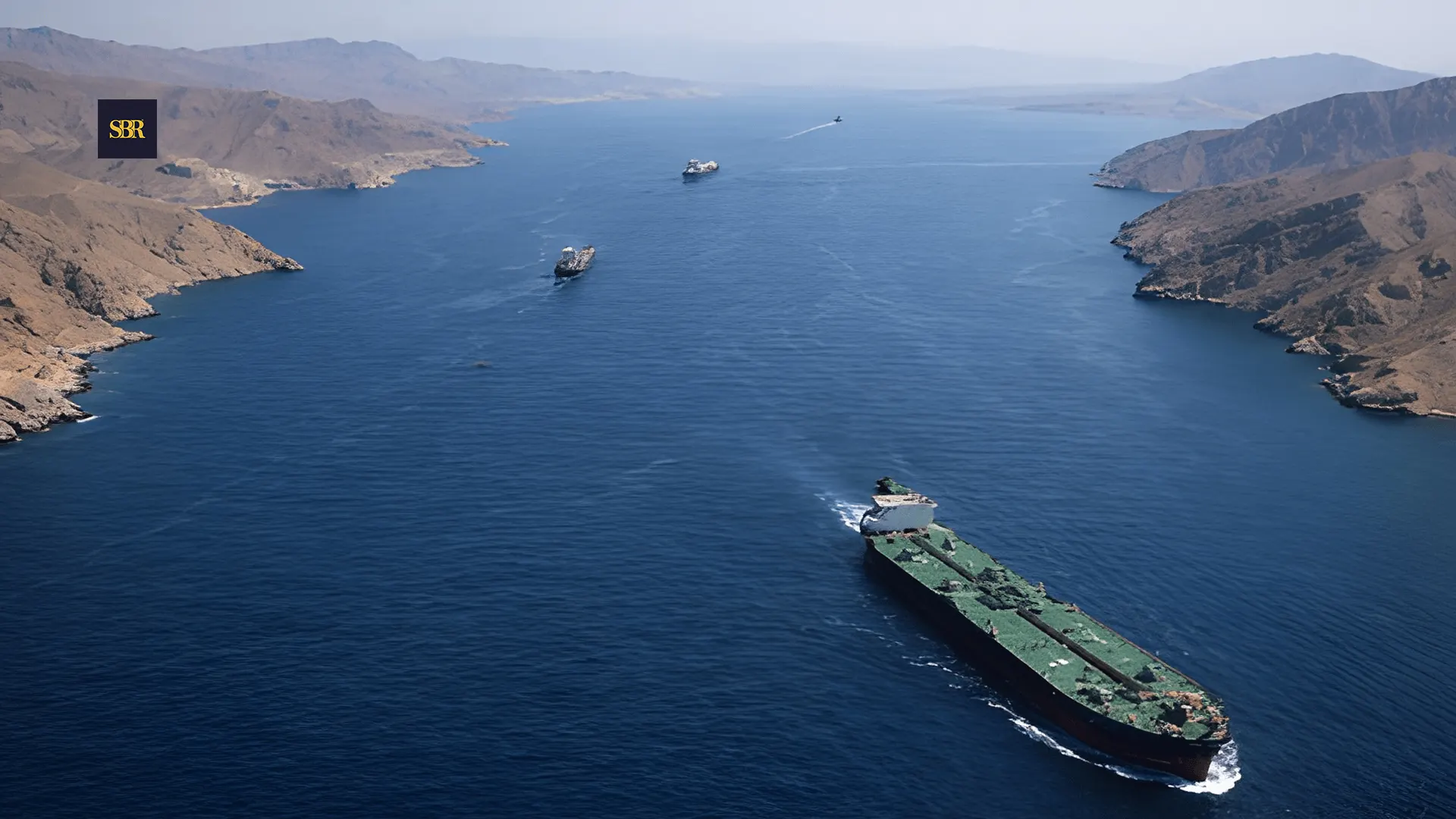
DUBAI, July 18, 2026 — Commercial shipping has resumed through a major maritime passage after an agreement involving Iran allowed limited movement of oil cargoes, marking the first significant return of tanker traffic following a period of reduced activity linked to regional tensions.
Several oil tankers have crossed the waterway since the agreement took effect, according to shipping data. The movement signals an initial easing of disruptions that had constrained flows through the route, which is widely used for global crude oil transport.
The renewed traffic comes after diplomatic discussions led to conditions permitting passage under monitored arrangements. Maritime authorities are tracking vessel movements as shipping firms begin to test whether the corridor can support more regular operations.
Ports receiving incoming cargoes have prepared inspection procedures for arriving shipments. Insurance providers have also reviewed coverage terms for voyages through the corridor, citing continued uncertainty tied to security conditions in surrounding coastal areas.
Despite the return of tanker activity, shipping levels remain below typical patterns seen before recent disruptions, with operators still assessing whether wider stability supports a fuller resumption of trade flows.
Shipping Data Shows Gradual Return of Vessel Movement
Shipping tracking data indicates that crude oil and refined product carriers have begun using the route again, though in limited numbers. The first crossings followed diplomatic engagement that allowed controlled passage under specific terms.
Vessel operators resumed movement after weeks of uncertainty over access to the waterway. The route is a major conduit for global energy shipments, and even partial reopening has immediate implications for supply chains and freight planning.
Maritime monitoring services continue to observe vessel behavior closely, with some ships still adjusting routes based on evolving conditions.

Ports and Insurers Adjust to New Conditions
Receiving ports have introduced inspection measures for arriving vessels to manage cargo verification and security protocols. Authorities are preparing for potential increases in traffic if conditions remain stable.
Insurance firms have also reassessed underwriting terms for ships passing through the corridor. Premiums and coverage conditions remain sensitive to developments in nearby maritime zones, where past disruptions have raised operational risk.
Shipping companies say insurance costs and compliance requirements remain central considerations when deciding whether to re-route vessels or return to the passage.
Shipping Firms Evaluate Route Stability
Operators are reviewing routing strategies after the initial return of tankers. Many vessels had previously been diverted to longer routes, increasing transit times and operational costs.
Companies are now assessing whether the waterway can support sustained movement or whether alternate routes will remain in use for longer-term planning.
Freight planners are also tracking voyage schedules closely, as even small changes in routing can affect delivery timing for crude oil shipments bound for major refining hubs in Asia and Europe.
Iran Agreement Opens Limited Passage for Oil Cargoes
The agreement involving Iran created conditions for the limited reopening of the waterway under monitored arrangements agreed during international discussions.
Governments involved in the process have expressed differing views on how quickly maritime traffic can normalize. Some see the initial tanker movements as a step toward restoring more consistent energy flows, while others remain cautious due to unresolved security concerns in surrounding regions.
Energy markets and trade networks across Asia, Europe, and the Middle East are closely watching developments. The route remains a critical artery for global oil transport, and any sustained reopening would have significant implications for shipping logistics.
For now, tanker movement has resumed at a limited level, with future activity dependent on diplomatic progress and maritime security conditions in the region.
Despite the return of tanker activity, shipping levels remain below typical patterns seen before recent disruptions, with operators still assessing whether wider stability supports a fuller resumption of trade flows.