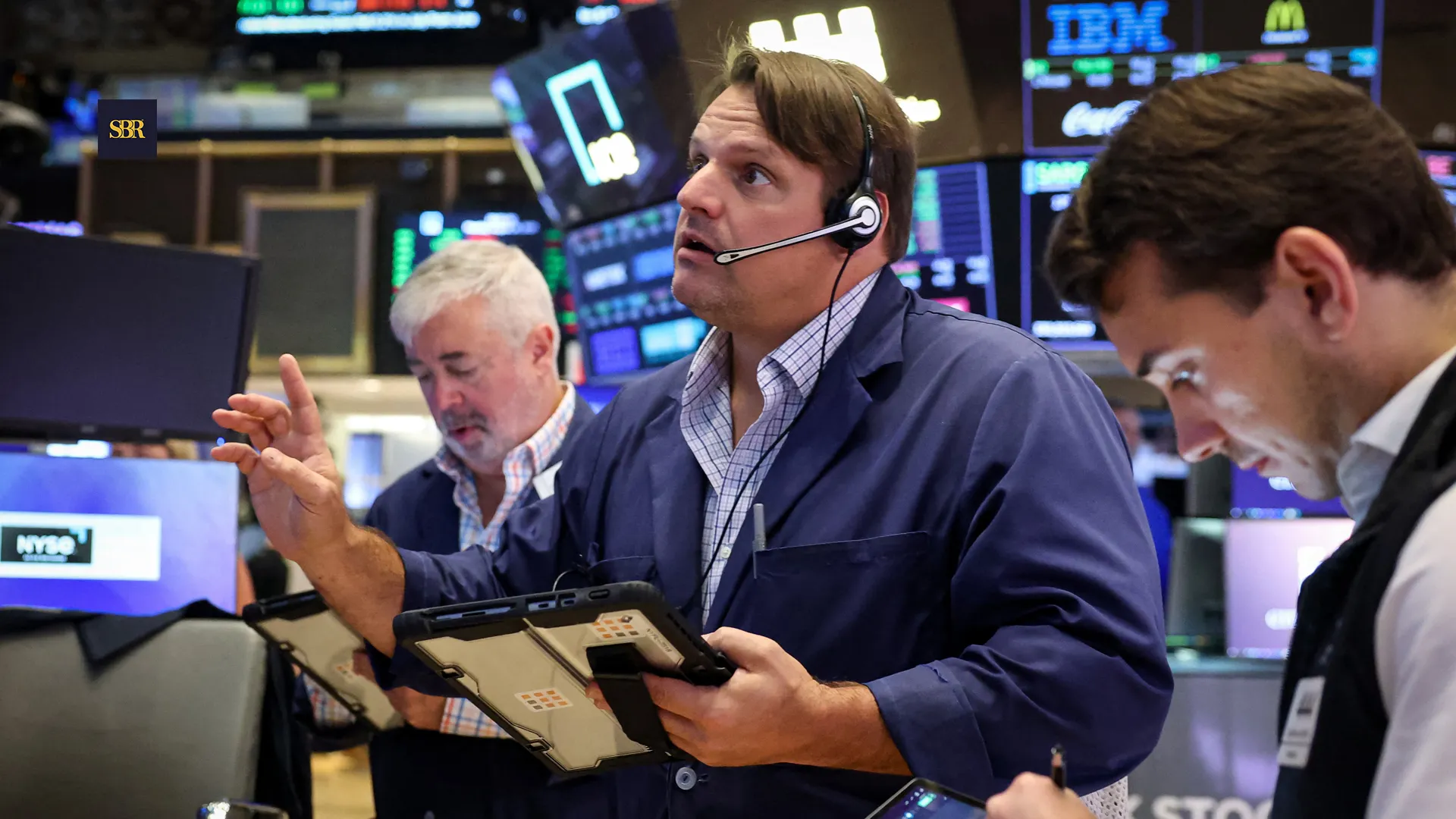
NEW YORK, Sept. 15, 2026 — Wall Street slipped Tuesday as higher oil prices, rising Treasury yields and uncertainty over AI spending weighed on stocks. At 9:41 a.m. ET, the Dow Jones Industrial Average fell 313.32 points, or 0.60%, to 52,107.88. The S&P 500 dropped 10.36 points, or 0.14%, to 7,609.62, while the Nasdaq Composite fell 31.97 points, or 0.11%, to 26,156.71, according to Reuters.
Investors were also assessing technology stocks after Monday’s selloff. Chipmakers recovered Tuesday, with Nvidia gaining more than 1%. Alphabet, Microsoft and Apple each fell less than 1% as investors weighed higher borrowing costs and uncertainty over future AI spending.
AI Spending Faces Questions
Anthropic CEO Dario Amodei, OpenAI CEO Sam Altman and Elon Musk have called for a slowdown in advanced AI development amid concerns about the risks posed by powerful AI systems. Google DeepMind CEO Demis Hassabis has also backed calls for greater caution around the technology.
The prospect of slower AI development has raised questions about future spending on chips, data centers and other AI infrastructure. Joe Saluzzi, co-founder and co-head of equity trading at Themis Trading, said companies still have reasons to keep investing as they compete for growth and seek to show investors that their businesses can expand.

Oil Prices Add to Inflation Concerns
Crude prices added to inflation concerns as the conflict in the Middle East continues to threaten oil supplies. Brent crude futures rose 1.9% to $107.73 a barrel, while U.S. West Texas Intermediate futures gained 2.2% to $103.64.
Higher oil prices can add to inflation by increasing costs for consumers and businesses. Energy stocks rose 1.4%, making the sector the best performer among the 11 major S&P 500 sectors. Technology gained 0.4%, while consumer staples fell 0.7% and real estate dropped 0.8%. Anthony Saglimbene, chief market strategist at Ameriprise Financial, said energy costs were a major source of inflation concern.
Treasury Yield Moves Above 5%
The yield on the 10-year U.S. Treasury rose to 5.0019%, its highest level since 2007. Higher Treasury yields can raise borrowing costs for households and businesses and weigh on stock valuations.
The yield rose as investors prepared for the Federal Reserve’s rate decision Wednesday. Traders were pricing in a 93% probability of a quarter-point rate increase, according to figures cited by Reuters.

Photo credit: USDT
Inflation Keeps Fed in Focus
August inflation data influenced market expectations for interest rates. The Labor Department reported that consumer prices accelerated in August, while a measure of underlying inflation recorded its largest increase in four months.
Several individual stocks recorded significant price movements. Dave & Buster’s shares fell more than 12% after second-quarter revenue missed expectations. Waystar rose 8.8% after Reuters reported that the healthcare software company was exploring options that could include a sale.
Declining stocks outnumbered advancing stocks by 1.81 to 1 on the New York Stock Exchange and 1.91 to 1 on the Nasdaq. The S&P 500 recorded two new 52-week highs and seven new lows, while the Nasdaq recorded 14 new highs and 95 new lows.
Crude prices added to inflation concerns as the conflict in the Middle East continues to threaten oil supplies. Brent crude futures rose 1.9% to $107.73 a barrel, while U.S. West Texas Intermediate futures gained 2.2% to $103.64.