Electric grids were built for a different era, shaped by predictable power generation and consistent demand. Today, that model faces new constraints. Renewable energy sources such as wind and solar introduce variability, while demand continues to grow across industries and regions. This creates a gap between when energy is produced and when it is needed.
Form Energy was founded in 2017 to address this gap by developing long-duration energy storage systems. The company focuses on storing electricity for extended periods, allowing power generated at one time to be used much later.
This concept changes how electricity systems operate. Instead of relying solely on immediate generation, grids can store energy during periods of surplus and release it when demand increases. This reduces reliance on fossil-based backup systems and supports a more reliable flow of electricity.
The company’s work builds on the idea that storage is not just an add-on to the grid but a necessary part of its structure. As energy systems evolve, the ability to hold power over longer durations becomes essential for maintaining reliability across changing conditions.
Iron-Air Batteries and the Science of Long-Duration Storage
Form Energy’s primary technology is an iron-air battery designed to store electricity for up to 100 hours. Unlike conventional lithium-ion batteries, which typically deliver power for only a few hours, this system operates over multiple days.
The underlying process is based on reversible rusting. When the battery discharges, iron reacts with oxygen from the air to form rust, releasing energy. When it charges, an electrical current converts the rust back into iron, storing energy for future use.
This chemistry relies on materials that are widely available and low in cost, including iron, water, and air. These inputs make the system more accessible compared with technologies that depend on scarce or expensive minerals.
The structure of the battery also reflects its intended use. Individual modules, each roughly the size of large household appliances, are grouped together into systems capable of supporting grid-scale operations. This modular design allows installations to scale based on the needs of utilities and energy providers.
By extending storage duration from hours to days, the technology addresses one of the main limitations of renewable energy. It allows excess generation to be stored and used during periods when sunlight or wind is not available, reducing interruptions in supply.
Scaling Manufacturing Across the United States
Technology alone does not define the company’s direction. Manufacturing plays a major role in bringing these systems into real-world use. Form Energy has invested in large-scale production facilities to support deployment at the grid level.
One of the most significant developments is Form Factory 1 in Weirton, West Virginia. This high-volume manufacturing site spans more than 550,000 square feet and produces iron-air battery systems at scale. The facility is located on the grounds of a former steel mill, linking new energy production with historic industrial infrastructure.
This location reflects a broader strategy. By building facilities in regions with industrial heritage, the company contributes to economic activity while supporting domestic manufacturing. The site employs hundreds of workers and demonstrates how energy technology can be produced within the United States.
The manufacturing process itself has evolved through years of testing and refinement. From early prototypes to full-scale production, the company has developed methods for producing electrodes, cells, and complete battery systems.
As production capacity grows, the company moves from pilot projects to broader deployment. Agreements with utilities across the country support this expansion, allowing the technology to be tested and implemented in different grid environments.
Supporting a More Reliable and Cleaner Energy System
The need for long-duration storage is tied directly to the changing structure of energy generation. Renewable sources do not produce electricity at all times, yet demand remains constant. This creates periods where energy must be stored for later use.
Form Energy’s systems address this challenge by providing multi-day storage capability. This allows energy generated during high-output periods to be used during low-output periods, maintaining continuity in supply.
The benefits extend beyond reliability. By reducing dependence on fossil-based backup generation, long-duration storage contributes to lower emissions across the power sector. It also supports grid stability during extreme weather events or unexpected disruptions.
Utilities and energy providers play a key role in this transition. The company has entered into agreements with several major organizations to deploy its systems, demonstrating how storage can integrate into existing infrastructure.
Software also contributes to system performance. Tools that model grid behavior allow operators to simulate different scenarios and optimize how storage is used. This adds a layer of planning that complements the physical infrastructure.
Form Energy’s progress reflects a broader change in how electricity systems are designed. By focusing on long-duration storage, the company addresses a challenge that has limited the adoption of renewable energy at scale.
The combination of iron-air battery technology, large-scale manufacturing, and partnerships with utilities creates a framework for wider deployment. Each element supports the others, forming a system that extends beyond individual projects.
As more installations come online, the role of storage within the grid continues to grow. Multi-day systems provide a way to balance supply and demand over longer periods, supporting both reliability and cost efficiency.
This development reshapes expectations for how energy systems operate. Instead of relying on immediate generation alone, grids gain the ability to store and release power across extended timeframes. That capability changes how electricity is managed, delivered, and sustained.
Form Energy’s work demonstrates that long-duration storage is moving into real-world deployment, where it supports utilities, strengthens infrastructure, and contributes to a more resilient energy system.
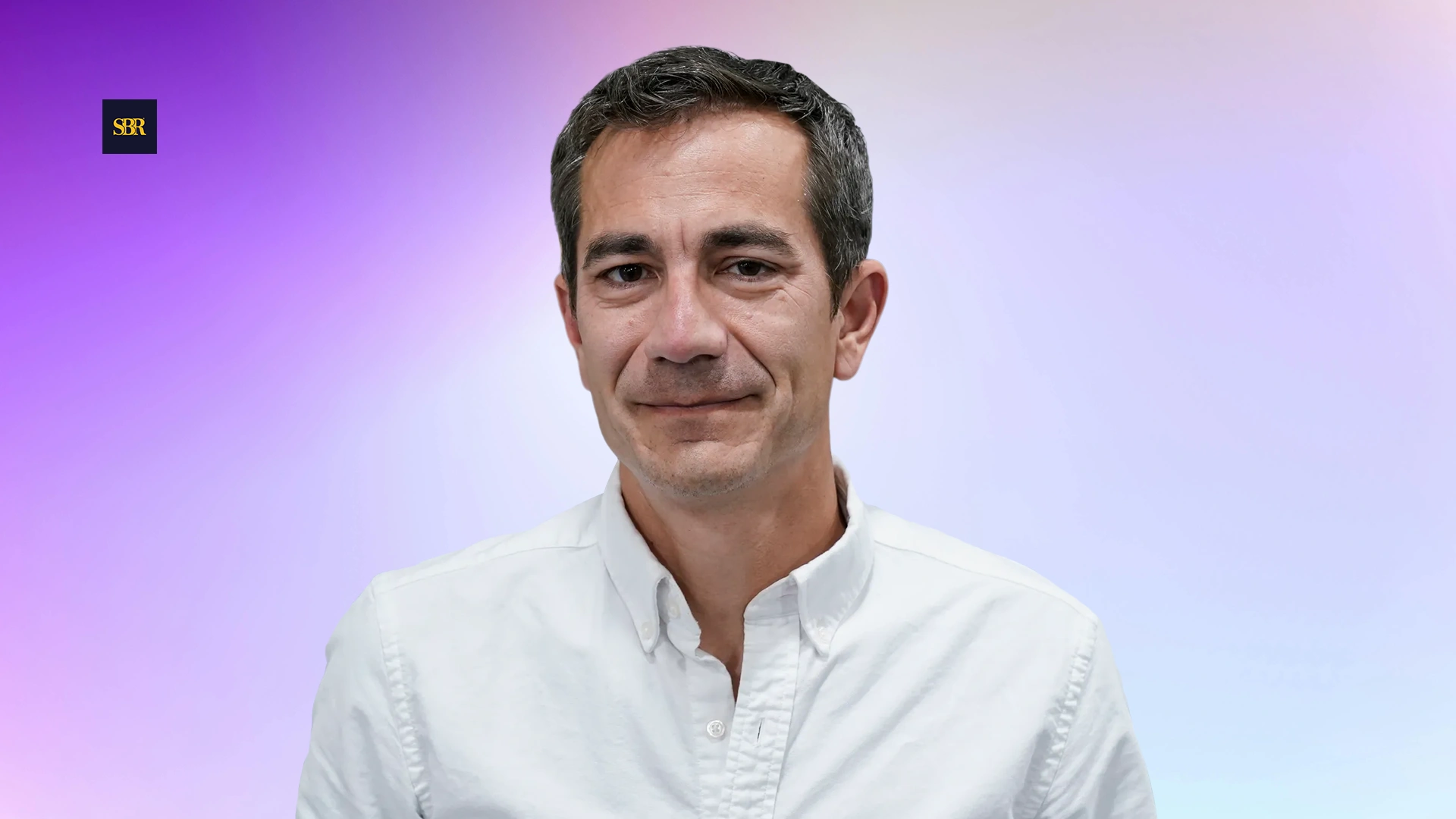
Mateo Jaramillo, Co-Founder & CEO, Form Energy