NEW YORK, March 19, 2026 — The global race to scale artificial intelligence is no longer defined only by chips, capital, or talent. Electricity has become a decisive factor, and nations with stronger power systems are gaining ground as demand for computing accelerates. What began as a technology competition is now closely linked to energy capacity, creating a clear divide between countries that can sustain AI growth and those that face limitations.
Recent energy shocks tied to geopolitical tensions have brought this divide into sharper focus. Higher oil and gas prices have pushed up operating costs across industries, and artificial intelligence stands out because of its heavy power demands. Large-scale data centers require uninterrupted electricity, and when energy markets tighten, running and expanding these facilities becomes significantly more expensive. These dynamics are not uniform across the globe. Countries with reliable grids, diversified energy sources, and resilient infrastructure are better positioned to absorb volatility, while others encounter constraints that can slow investment or redirect it elsewhere, altering where AI development takes hold.
Energy Shocks Threaten AI Momentum
Artificial intelligence expansion faces risks beyond technical constraints. Sudden spikes in energy prices, driven by geopolitical tensions or supply disruptions, can increase operating costs across industries and slow corporate spending on new projects. Even nations with strong grids may see companies pause or scale back AI investments if electricity costs rise sharply.
The effects ripple through the broader economy. Higher energy bills reduce profits and can force firms to reallocate capital, delaying infrastructure upgrades or slowing adoption of advanced AI models. In countries where energy markets are volatile, uncertainty discourages long-term planning, making it harder for firms to commit to large-scale AI projects.
This perspective highlights that AI growth is not only about computing power or infrastructure, but increasingly tied to economic stability. Nations that can absorb energy shocks without disrupting investment stand to maintain momentum, while others risk falling behind as global AI expansion accelerates.

Energy Availability Directs AI Expansion
Access to Reliable Power Determines Where Investments Go: AI development depends on uninterrupted electricity. Regions with stable supply attract new facilities, while limited grids can slow or redirect expansion. Companies consider long-term availability when planning major AI infrastructure, choosing locations that can sustain operations for years.
Volatility Can Push Projects to Safer Ground: When energy markets fluctuate, investment decisions carry more risk. Companies tend to favor regions with predictable supply, while areas with unstable electricity face higher costs or project delays. Some firms invest in renewables or co-locate data centers with power generation sites to secure supply, but these require significant upfront costs and regulatory approvals, demonstrating the practical importance of energy stability for AI growth.
Grid Limitations Slow Some Regions
Even as AI investment rises, the capacity to sustain it differs greatly across regions. Data centers often cluster in areas with existing connectivity and cooling advantages, yet those regions may not have the grid capacity to sustain rapid expansion.
Upgrading power systems takes years of planning, construction, and approvals. During that time, demand can exceed supply, creating bottlenecks that slow deployment. This mismatch between fast-moving technology adoption and slower infrastructure development becomes more pronounced as AI use grows.
Some regions are already experiencing strain. Energy-intensive industries in parts of Europe have faced production cuts and job losses amid higher electricity prices, showing how energy constraints ripple through broader economic activity. AI expansion can be similarly affected, particularly where electricity supply is limited.
Energy-Rich Nations Take the Lead in AI
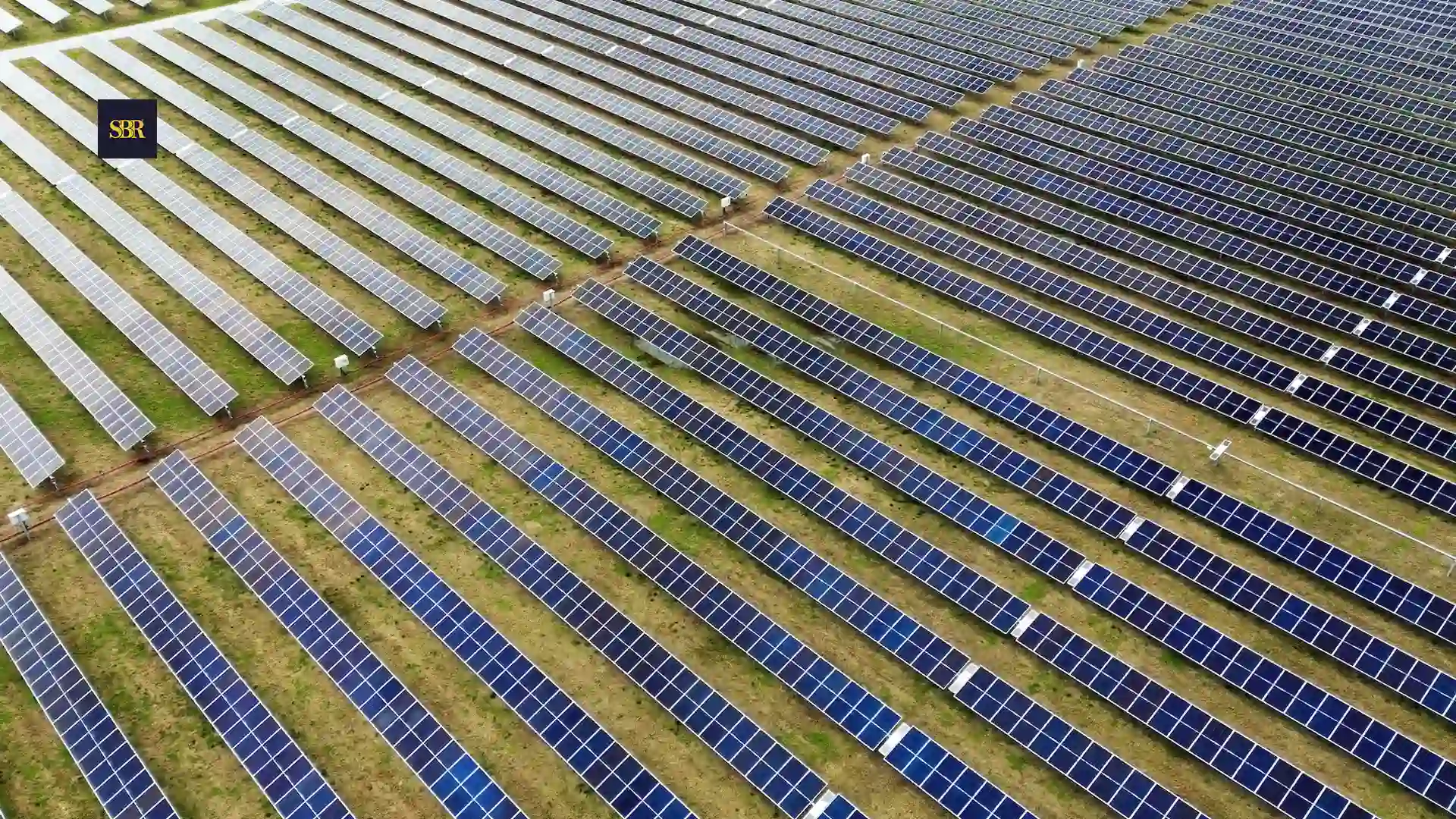
As these trends converge, the geography of artificial intelligence is beginning to shift. Nations with abundant energy resources, strong grid systems, and the ability to scale generation quickly are gaining an advantage. These benefits extend beyond costs to include reliability, long-term planning certainty, and investor confidence.
The effect is not limited to advanced economies. Emerging markets with improving infrastructure and reliable electricity could attract significant investment, while countries heavily reliant on imported fuel or constrained grids may fall behind.
Energy availability now drives technology policy. Governments that seek AI investment must consider not only incentives and regulations but also the capacity of their power systems. Without sufficient electricity, even the most ambitious plans can stall, underscoring the critical link between energy and technological growth.
Taken together, these factors point to a shift in how the AI race is decided. Access to computing power remains essential, but energy availability is becoming just as important. Nations that can align both move ahead, while others face a more constrained path as energy realities shape the next phase of artificial intelligence growth.
Artificial intelligence relies on vast computing systems that operate around the clock, consuming enormous amounts of electricity. Training advanced models involves sustained use of high-performance chips, often across multiple facilities, pushing energy demands far beyond traditional computing tasks.