WASHINGTON, Oct. 9, 2026 — The U.S. Securities and Exchange Commission’s (SEC) proposal to repeal its pay-to-play rule raises an important question about accountability in the management of public money. Investment advisers should be able to participate in lawful political activity without facing disproportionate penalties for minor or inadvertent contributions. However, removing a federal restriction designed to deter political influence over government investment contracts requires more than an argument that existing regulations impose unnecessary costs.
Announced on Sept. 3, 2026, the proposal would rescind Rule 206(4)-5 under the Investment Advisers Act of 1940, along with related recordkeeping requirements. The rule restricts an adviser’s ability to receive compensation for advisory services to a government client for two years after certain political contributions. Although the SEC has raised concerns about compliance burdens and restrictions on political participation, full repeal could remove a specific safeguard before the commission establishes whether other protections can address the same risks.
Why the SEC Favors Repeal
The SEC has raised concerns about the rule’s compliance costs and its effects on lawful political participation. Investment advisers and their employees should not face disproportionate consequences for minor or inadvertent contributions. Firms may also restrict employees’ political activity to avoid regulatory exposure, even when the contributions are lawful. Clarifying the rules and refining exemptions could address these concerns while reducing unnecessary compliance burdens.
However, reducing regulatory costs does not necessarily require eliminating the rule. Its purpose is to deter political contributions that could influence the award of government investment contracts. The restriction addresses the risk that political relationships could take precedence over qualifications, fees, and investment performance when public entities select advisers. Full repeal would remove a federal measure designed specifically for this risk. Before proceeding, the SEC should explain why targeted amendments would not achieve its objectives while retaining the existing protections.
Risks to Pension Funds
State and local public pension plans oversee nearly $6 trillion in assets. These funds help meet retirement obligations to public employees, including teachers, police officers and other government workers. Decisions about which investment advisers manage those assets can affect fees, investment performance and pension plans’ ability to meet future benefit payments. The integrity of those decisions matters to beneficiaries and taxpayers alike.
Political contributions do not automatically indicate misconduct, nor should an adviser be presumed to have received a contract through favoritism because of a lawful donation. The concern is whether contributions can influence decisions involving public money. A preventive rule can deter certain conduct before a contract is awarded, rather than relying exclusively on investigations after suspected misconduct occurs. Removing that restriction could leave pension plans more exposed to political favoritism unless other safeguards address the same risks effectively.
Existing Safeguards Fall Short
The SEC has argued that other requirements would remain in force after repeal, including federal antifraud provisions and investment advisers’ fiduciary duties. State and local laws also address political corruption and public procurement. These protections are important, but their continued existence does not establish that they would replace the specific restrictions imposed by the pay-to-play rule.
Antifraud provisions and fiduciary duties address misconduct and conflicts of interest, but the requirements for establishing violations can differ from those under a rule tied to political contributions. The SEC should explain how the remaining legal framework would deter the same conduct and what enforcement measures would apply. Repeal could also leave advisers subject to different state and local requirements, creating a patchwork of obligations rather than a uniform federal standard. Without a detailed assessment, the claim that existing protections are sufficient remains unproven.

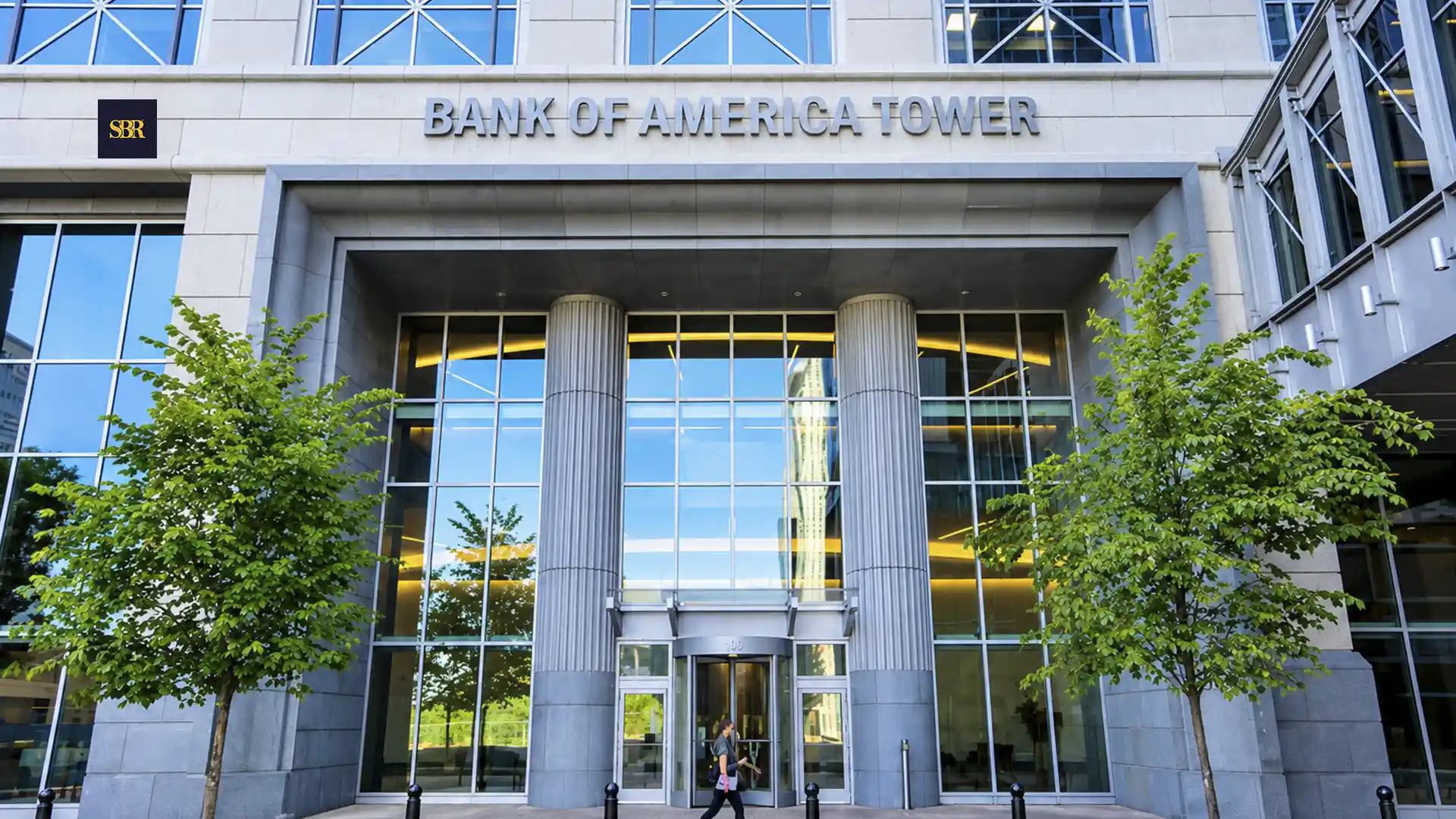
Photo credit: Bloomberg
The Case for Targeted Reform
The SEC has alternatives to retaining every provision unchanged or eliminating the rule altogether. It could clarify exemptions, refine the treatment of inadvertent contributions, and reconsider penalties that may be disproportionate to a violation. These changes could reduce unnecessary compliance burdens while retaining restrictions intended to prevent political contributions from influencing government investment contracts.
Before finalizing its proposal, the commission should assess the potential consequences for public pension plans and explain why targeted amendments would not adequately address its concerns. Public comments are due Nov. 9, 2026, giving pension trustees, investment advisers, public officials and beneficiaries an opportunity to present evidence and recommendations. The SEC should give those views serious consideration. Regulatory relief is justified when it removes unnecessary requirements without leaving material risks insufficiently addressed. Until the Commission demonstrates that the remaining legal protections can adequately deter pay-to-play practices, full repeal is difficult to justify. Public pension assets deserve safeguards that reflect the risks involved, not simply the desire to reduce regulatory obligations.
State and local public pension plans oversee nearly $6 trillion in assets. These funds help meet retirement obligations to public employees, including teachers, police officers and other government workers. Decisions about which investment advisers manage those assets can affect fees, investment performance and pension plans’ ability to meet future benefit payments. The integrity of those decisions matters to beneficiaries and taxpayers alike.







.webp)