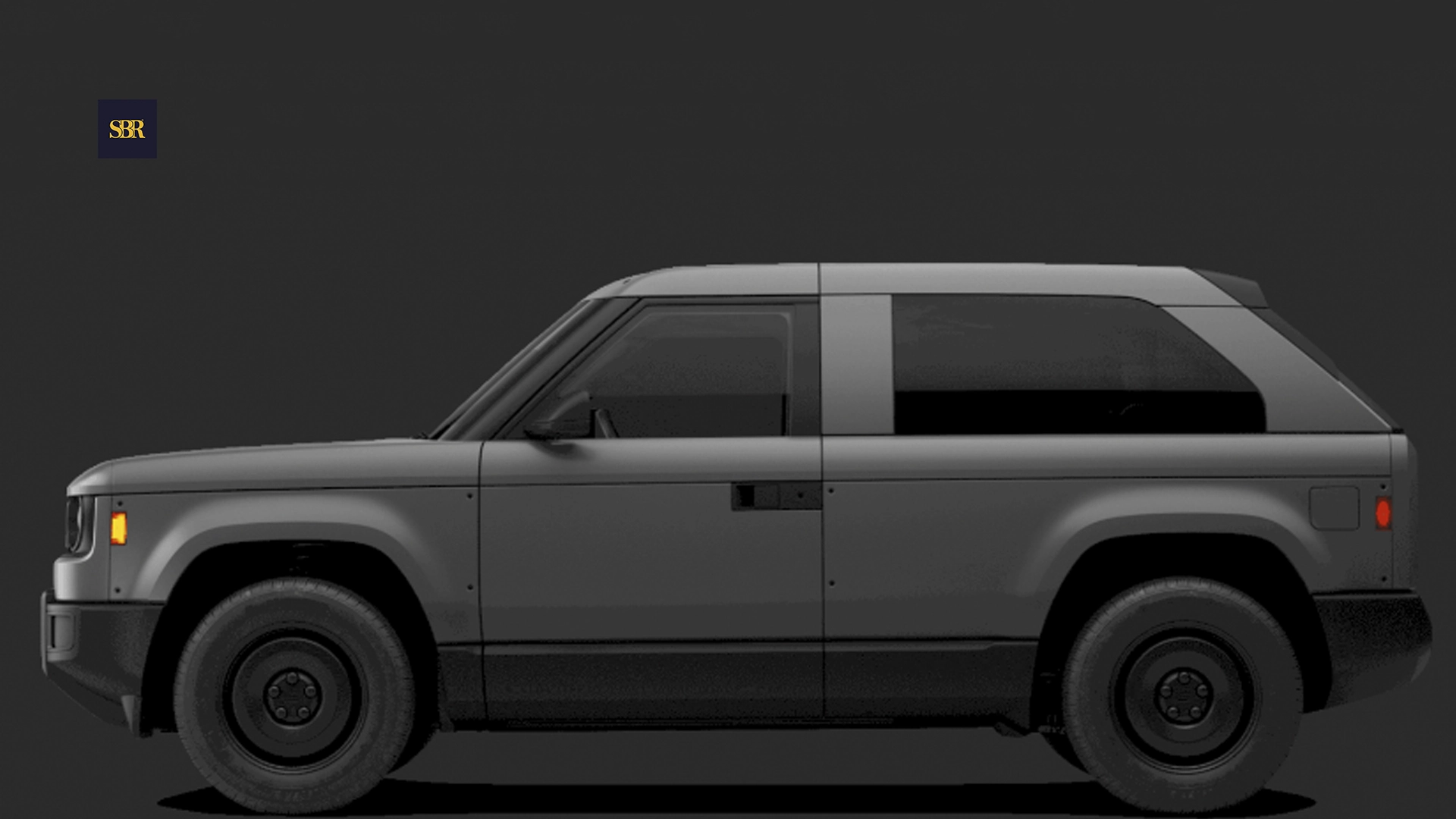
TROY, Mich., June 26, 2026 — Electric vehicle startup Slate Auto has unveiled the starting price for its first pickup truck, listing the base version at $24,950 before taxes, registration costs, destination charges, documentation fees, optional accessories, and other applicable expenses. The company also opened reservations for customers interested in placing early orders.
The announcement marks an important milestone for the startup, which has drawn attention since emerging from stealth mode with plans to produce an affordable electric pickup unlike many vehicles currently available in the United States.
Backed by billionaire Jeff Bezos and other prominent investors, Slate Auto has focused on delivering a minimalist vehicle that lets buyers add features over time rather than pay for them upfront. Company executives have long stated that affordability remains one of the primary priorities behind the truck's development.
With a starting figure below $25,000, the vehicle enters a price bracket occupied by relatively few new automobiles, particularly battery-powered ones. Many electric vehicles sold today remain priced well above $30,000 before incentives, placing them beyond the reach of many consumers seeking lower-cost transportation.
Longer Driving Range Replaces Larger Battery Option
Alongside the pricing announcement, Slate Auto disclosed a notable revision to the truck’s expected driving range.
Earlier plans called for a base battery capable of approximately 150 miles per charge, alongside a larger battery offering roughly 240 miles. Instead, the company now expects the standard truck to travel around 205 miles on a full charge while discontinuing plans for the larger battery pack.
For many prospective buyers who primarily drive in cities or suburban areas, a range exceeding 200 miles may suffice for everyday commuting and routine errands without substantially increasing vehicle costs.
Battery selection remains one of the largest contributors to electric vehicle pricing. Offering a single battery configuration may simplify production while helping the company maintain its announced starting price.
Slate Auto has not detailed whether additional battery choices could become available later or whether software updates might alter vehicle performance following commercial production.

Customization Takes Priority Over Standard Features
Rather than loading the pickup with premium technology, Slate Auto has built the vehicle around a stripped-down configuration that owners can personalize after purchase.
Every truck begins with the same gray composite exterior instead of traditional painted finishes. Buyers will be able to select exterior wraps to create different appearances without requiring factory paint.
Avoiding paint facilities could reduce manufacturing expenses considerably, since automotive paint shops often require substantial capital investment before production begins.
Inside the cabin, manual crank windows replace power-operated units, and the truck does not include an integrated infotainment display. Owners can instead rely on personal devices for navigation, entertainment, and connectivity.
Perhaps the most distinctive feature involves the vehicle's modular design.
The standard pickup seats two occupants, but owners may convert it into a five-passenger sport utility vehicle through accessory packages developed by the company. Slate Auto has priced the SUV version from $29,950.
According to the company, conversion work may be completed either by professional installers or by owners willing to undertake the project themselves.
To support those modifications, Slate Auto introduced instructional content through an online educational platform called Slate University. Demonstration videos walk customers through installation procedures ranging from the SUV conversion package to cosmetic accessories such as headlight covers.
That strategy gives customers the flexibility to purchase additional equipment after taking delivery rather than selecting every option during the initial order process.
Funding, Sales Plans Shape Startup’s Next Stage
Slate Auto also continues building the business infrastructure needed before customer deliveries begin.
Rather than relying on traditional franchised dealerships, the startup intends to sell vehicles directly to consumers through its own sales channels. Several newer electric vehicle manufacturers, including Tesla, Rivian, and Lucid Motors, have adopted similar retail strategies.
Industry observers have also speculated about a future relationship between Slate Auto and online automotive retailer Carvana after reports indicated Carvana received warrants allowing it to purchase shares in the startup. Carvana recently disclosed plans to enter new-car sales, leading to discussion about whether both companies could eventually work together.
Beyond commercial strategy, Slate Auto has secured substantial financial backing while preparing for production.
Public reports indicate the company has raised roughly $1.4 billion through multiple funding rounds. Known investors include Jeff Bezos’ family office, General Catalyst, Slauson & Co., TWG Global, led by Guggenheim Partners CEO Mark Walter, and former Amazon executive Diego Piacentini.
Those financial resources provide support as Slate Auto prepares manufacturing operations, supplier relationships, and customer deliveries in an automotive sector where launching a new brand requires significant capital.
The timing also arrives during a period of changing federal policy surrounding electric vehicles in the United States. Recent legislative and regulatory developments have altered incentives available to consumers, including the removal of the federal tax credit previously available for many electric vehicle purchases. At the same time, several established automakers have delayed or reconsidered planned battery-electric products amid changing demand forecasts and policy priorities.
Even with those uncertainties, Slate Auto appears committed to delivering an affordable electric vehicle designed around simplicity rather than premium features. Whether consumers embrace the company’s philosophy remains to be seen, yet pricing below $25,000 allows the startup to attract buyers seeking an electric pickup without the cost typically associated with the segment.
Reservations now underway will offer one of the earliest indications of customer interest before production begins.
Slate Auto has not detailed whether additional battery choices could become available later or whether software updates might alter vehicle performance following commercial production.