NEW YORK, Sept. 8, 2026 — Emerging-market assets lost momentum Tuesday as Brent crude moved toward $100 a barrel, adding a fresh source of uncertainty for currencies and equities. The rise in oil followed attacks on Saudi energy facilities and heightened tensions involving the United States and Iran, raising concerns that disruptions to Middle East energy supplies could last longer.
Brent crude reached about $99 during Tuesday trading before settling at $97.92 a barrel, its highest close since July 23. Other emerging-market currencies weakened, while Asian stocks declined as investors assessed what higher oil prices could mean for inflation and interest-rate expectations. The rise in crude has added a new concern for investors after gains across emerging-market assets.
Oil Prices Weigh on Emerging Economies
The latest rise in oil prices comes after gains across emerging-market assets. Higher crude prices create a more difficult backdrop for countries that rely heavily on imported energy, as larger oil bills increase demand for U.S. dollars. That can weigh on local currencies while adding to inflation.
The effect can extend beyond fuel prices. More expensive crude can raise transportation and production expenses for businesses, while higher energy import bills can widen trade deficits. For countries that rely heavily on foreign oil, a sustained increase in crude prices can therefore put further strain on currencies and consumer prices.

Middle East Disruptions Push Brent Higher
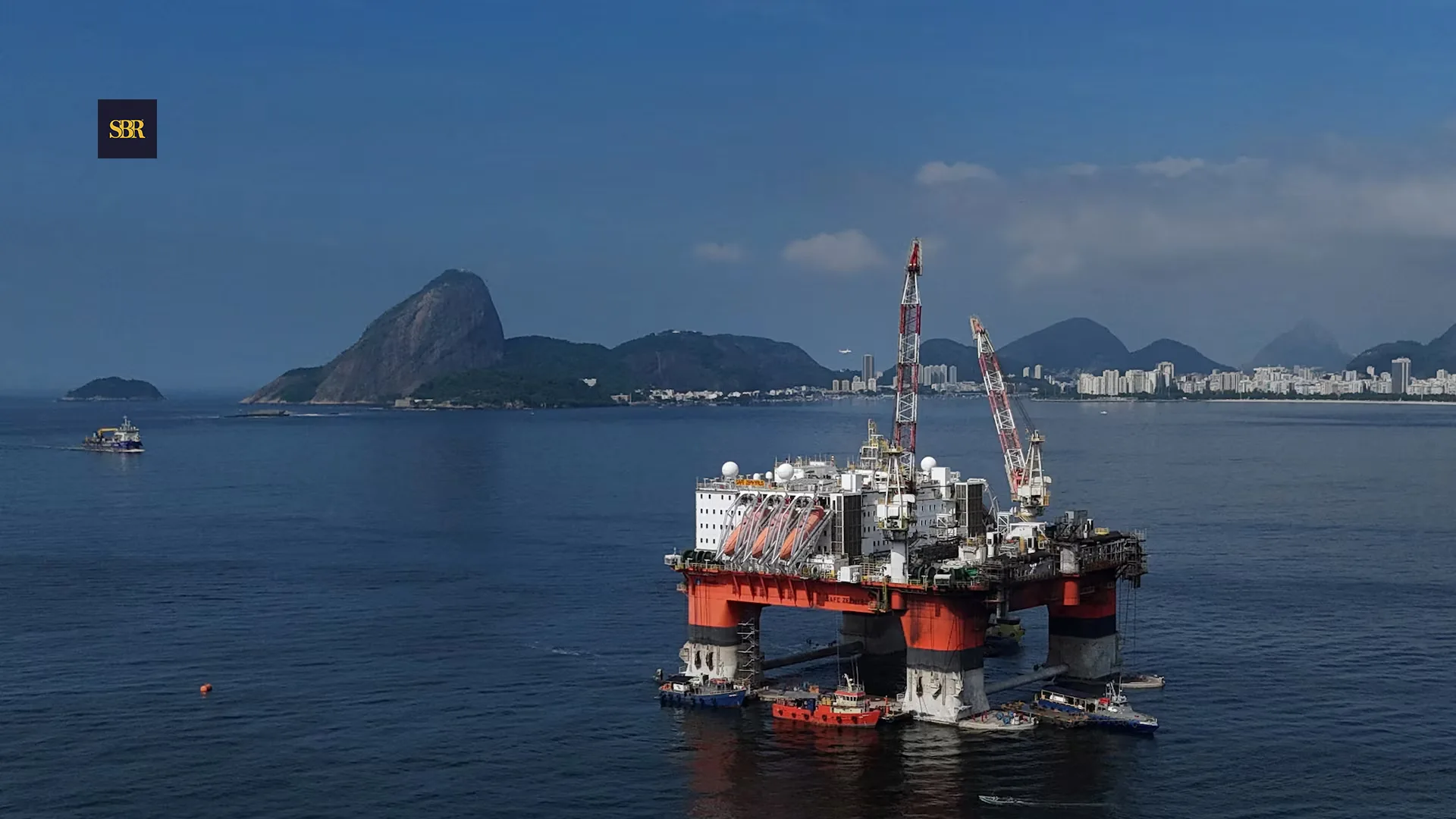
The latest increase in crude prices followed attacks by Iran-aligned Houthi forces on Saudi energy facilities. The attacks have raised concerns about oil shipments through the Strait of Hormuz, an important route for global energy trade.
Brent has remained below $100 despite the supply disruptions because substantial volumes are still moving through Hormuz and Gulf producers have redirected some exports through alternative routes. Higher output from the United States, Canada and Guyana is also adding barrels to global supply, while weaker Chinese oil demand and large inventories are limiting the rise in prices.
Higher Oil Prices Add to Inflation
Higher energy prices create a difficult monetary-policy backdrop for emerging economies. When crude becomes more expensive, fuel and transportation costs can rise, while companies that depend on energy may face higher operating expenses. Those increases can feed into consumer prices if elevated oil prices persist.
For central banks, that can make interest-rate cuts more difficult. Investors are therefore watching crude prices alongside U.S. interest-rate expectations, since both can influence currency valuations, bond markets and the flow of capital into emerging economies.

Photo credit: WSJ
$100 Oil Becomes a Market Threshold
A sustained move above $100 a barrel would give investors another reason to reassess emerging-market assets. Economies that import most of their oil could face larger trade deficits and higher inflation, while oil exporters could receive more revenue from energy sales.
The direction of crude prices will depend in part on the duration of Middle East supply disruptions, the volume of oil moving through alternative routes and production outside the region. Brent's move toward $100 has already changed the tone across several emerging markets, while the length of the supply disruption will help determine whether elevated oil prices become a more persistent feature of the outlook.
The latest increase in crude prices followed attacks by Iran-aligned Houthi forces on Saudi energy facilities. The attacks have raised concerns about oil shipments through the Strait of Hormuz, an important route for global energy trade.