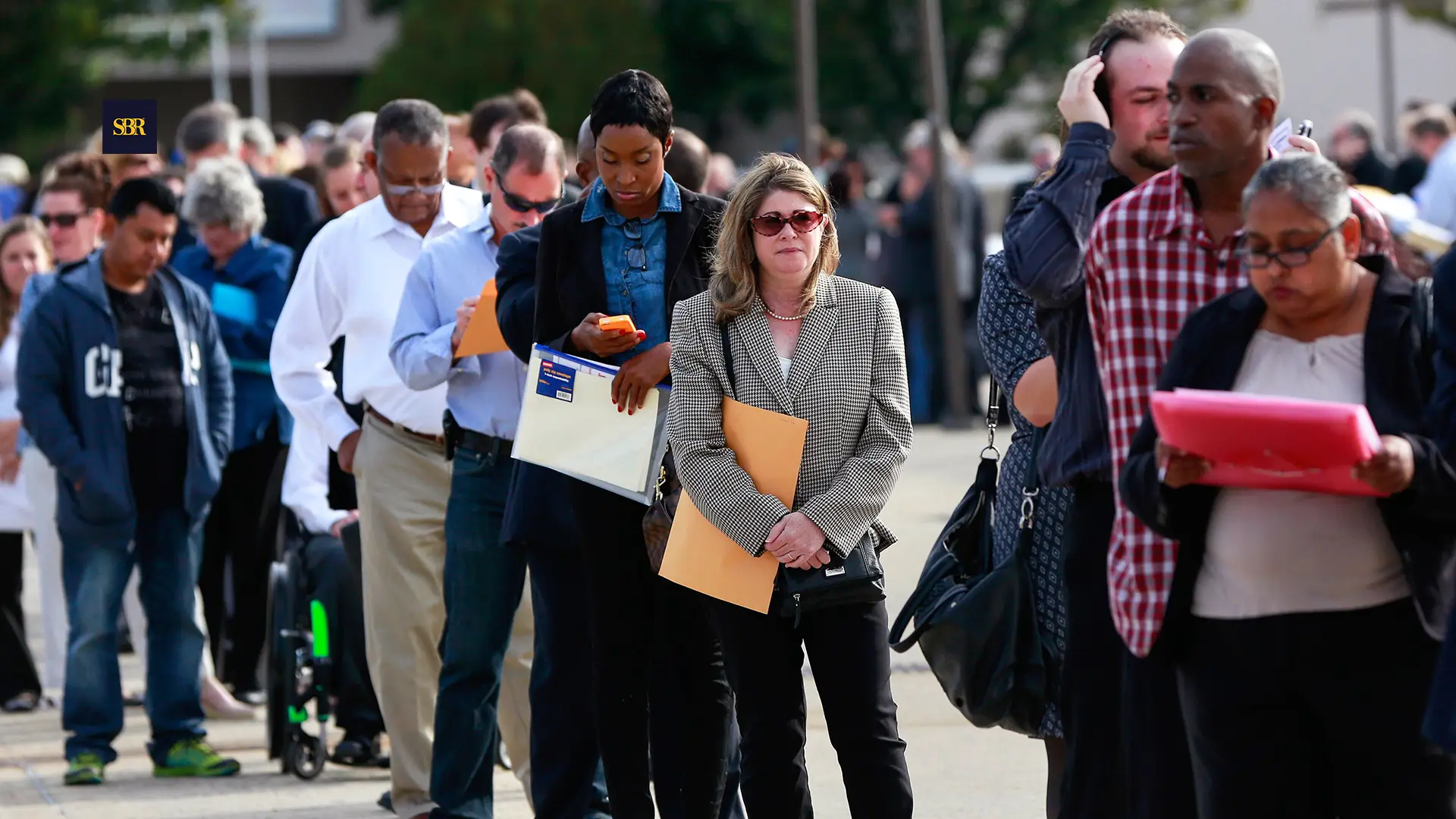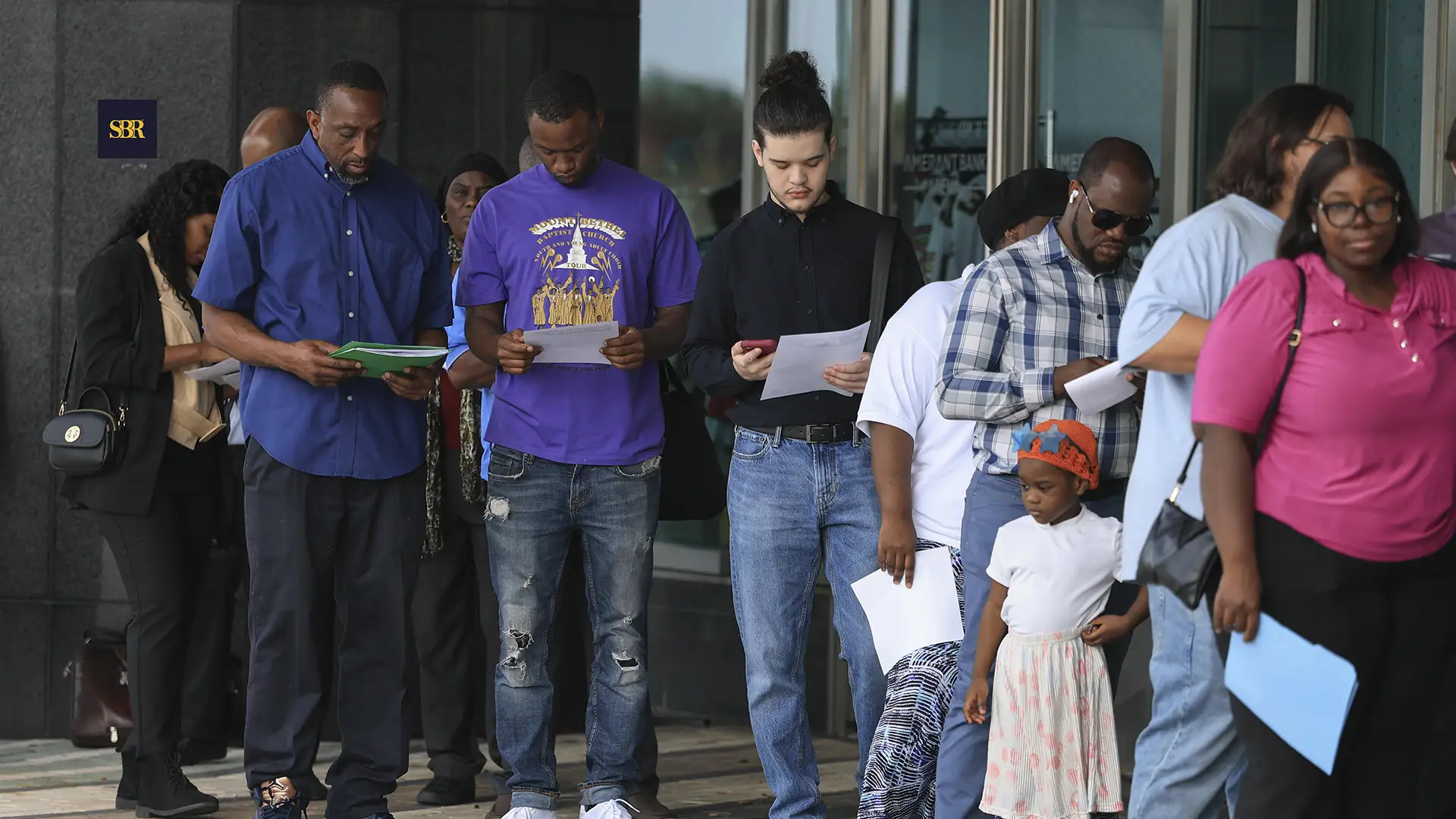
WASHINGTON, August 13, 2026 — New applications for unemployment benefits in the United States increased moderately last week, while the number of people receiving benefits after their first week of unemployment declined. Initial claims for state unemployment benefits rose by 9,000 to a seasonally adjusted 209,000 for the week ended Aug. 8, according to the Labor Department. Economists polled by Reuters had forecast 202,000 claims. The figures came after an employment report showed an unexpected decline in U.S. payrolls in July, but they indicated that layoffs remain limited. The number of people receiving unemployment benefits after an initial week of aid, a measure used as a gauge of hiring, fell by 22,000 to a seasonally adjusted 1.777 million for the week ended Aug. 1. Citigroup chief U.S. economist Andrew Hollenhorst said the figures were consistent with a labor market characterized by limited hiring and firing and slow labor-force growth.
Producer Prices Remain Unchanged in July
The employment data were released alongside the Labor Department’s report showing that the Producer Price Index for final demand was unchanged in July after a revised 0.1% decline in June. Economists polled by Reuters had expected producer prices to increase 0.2% after an earlier reported 0.3% decline in June. Producer prices increased 4.7% in the 12 months through July, down from a 5.5% increase in June. Most producer-price data are collected early in the month, meaning sharp increases in oil prices toward the end of July were probably not reflected in the latest figures. Economists therefore expected producer-price readings to be higher in August, while some still considered a Federal Reserve rate increase later this year possible. The report followed Wednesday's consumer inflation data, which showed a mild increase in July.
The labor and inflation figures gave policymakers two separate areas to assess as they consider the path of interest rates. Employment growth has weakened, while inflation remains above the Federal Reserve's 2% target. The August consumer-price and employment reports will provide additional information before the Federal Open Market Committee's September meeting.
Goods Prices Fall as Service Prices Rise
Goods prices fell 0.7% in July after declining 1.4% in June. Energy prices dropped 3.1%, including a 5.7% decline in wholesale gasoline prices. Food prices fell 0.9%, while fresh and dry vegetable prices dropped 34.9%. Wholesale lettuce prices fell a record 73% amid a cyclosporiasis outbreak, more than offsetting a 37% increase in egg prices. Grain prices increased 14.8%. Excluding food and energy, goods prices increased 0.1%, with tire prices up 1.3%, iron and steel scrap prices up 1.5%, and transformers and power regulators up 4.2%. A narrower measure excluding food, energy and trade services increased 0.4% after rising 0.1% in June. Core producer prices increased 4.7% over the 12 months through July, compared with 5.0% in June.
Service prices increased 0.2% in July after rising 0.5% in June. Portfolio management fees increased 6.5%, partly offsetting a 3.4% decline in airline fares. Hospital outpatient prices rose 0.9%, while hotel and motel room prices fell 0.2%. The cost of transporting freight by road declined 1.8%. Portfolio management fees, airline fares, and hotel and motel room prices are among the components used to calculate the Personal Consumption Expenditures price indexes.
PCE Inflation Expected to Remain Above 2%
Economists expected the PCE price index to increase 0.1% in July after falling 0.1% in June. That would put annual PCE inflation at 3.6%, compared with 3.7% in June. Estimates for PCE inflation excluding food and energy centered on a 0.2% monthly increase, although at least one economist expected a 0.3% gain. Core PCE inflation increased 0.1% in June, while forecasts for its annual increase ranged from 3.3% to 3.4%. The Federal Reserve tracks the PCE measures as part of its 2% inflation target, and some economists said inflation above that target could keep a rate increase under consideration for September.
Stephen Stanley, chief U.S. economist at Santander U.S. Capital Markets, said that a 0.25% increase in the July core PCE deflator would leave the annual rate at about 3.3%, with the six-month annualized increase at 3.4% and the three-month annualized increase at 2.9%. He said the figures would support a September rate increase, subject to the August consumer-price data. Alan Detmeister, an economist at UBS, took a different view, saying he expected this year's inflation peak had passed and forecasting a gradual decline in headline and core PCE inflation over the next year. He cited upcoming methodological changes to some components of the PCE inflation basket, moderate gasoline prices and diminishing tariff effects as factors that could contribute to lower inflation.
Markets Reduce Expectations for September Rate Hike
Financial markets were pricing in a 67.6% probability that the Federal Reserve would leave its benchmark overnight interest rate in the 3.50%-3.75% range at its Sept. 15-16 meeting, according to CME's FedWatch Tool. The probability of a rate increase stood at 32.4%, down from 40.6% on Wednesday and 55% a week earlier. Stocks on Wall Street rose, the dollar declined against a basket of currencies and U.S. Treasury yields fell. Capital Economics chief North America economist Stephen Brown said the latest figures made a September rate increase less likely.
The Federal Open Market Committee will receive the August consumer-price and employment reports before its September meeting. Some economists, however, said Federal Reserve officials would remain concerned about PCE inflation being well above the 2% target and would not rule out tighter monetary policy in September. The latest market pricing therefore reflects uncertainty over whether policymakers will give greater weight to weaker employment growth or inflation that remains above the Fed's target.

Photo credit: Getty Images
July Payroll Decline Raises Labor-Market Concerns
The latest unemployment claims data followed the July employment report, which showed that U.S. nonfarm payrolls fell by 23,000, the first monthly decline in five months. Economists polled by Reuters had expected an increase of 80,000 jobs. Payroll gains for May and June were revised lower by a combined 103,000. Private-sector payrolls increased by 30,000, matching June's gain, while government employment fell by 53,000. Local government education employment declined by 49,600. Leisure and hospitality employment fell by 40,000 for a second consecutive month, including a 26,100 decline in restaurants and bars. Retail employment fell by 19,400, while financial activities employment declined by 14,000.
Healthcare employment increased by 22,000, construction added 22,000 jobs, and manufacturing employment rose by 5,000. Manufacturing has added 31,000 jobs this year, with Reuters linking part of that increase to an artificial-intelligence buildout. The share of manufacturing industries reporting job growth fell to 50% in July from 56.9% in June, while the share across all industries fell to 51.8% from 53.2%. The unemployment rate fell to 4.1% from 4.2% in June, but the decline came alongside a 264,000 reduction in the labor force. The labor-force participation rate fell to 61.4%, its lowest level since February 2021. The labor force has declined by more than 1 million people this year, with immigration enforcement and policy changes contributing to the reduction.
Hiring Slows While Layoffs Remain Limited
Despite the July payroll decline, the latest unemployment claims figures do not show a large increase in layoffs. Initial claims rose to 209,000, while the number of people receiving benefits after their first week fell to 1.777 million. The figures indicate that hiring has slowed while job losses remain limited. Economists have also noted that employment growth can slow during the summer because of difficulties adjusting data for seasonal changes related to the timing of the school year, making July payroll figures more difficult to interpret.
A National Federation of Independent Business survey released this week showed that a measure of small-business employment rebounded in July after four consecutive monthly declines. Together with the unemployment claims data, the result points to limited hiring and firing rather than a large increase in job losses. The Federal Reserve will have the August employment and inflation reports before its September meeting, giving policymakers additional information as they assess employment growth, inflation, and the appropriate path for interest rates.
The latest unemployment claims data followed the July employment report, which showed that U.S. nonfarm payrolls fell by 23,000, the first monthly decline in five months.