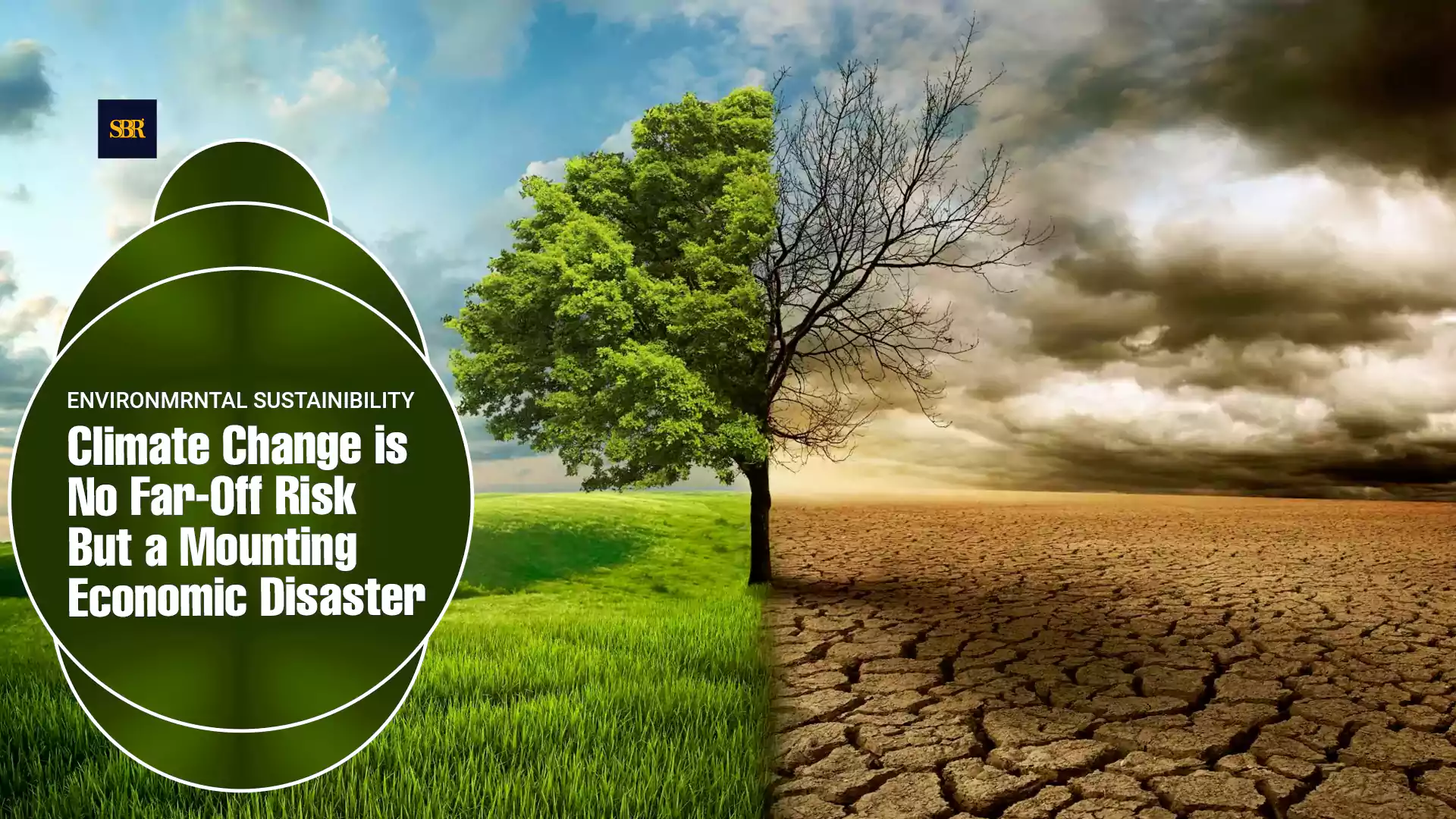
NEW YORK, Dec. 4, 2025 — Climate change is no longer a distant concern. Scientists warn that the effects of rising temperatures, shifting rainfall patterns, and extreme weather are already hitting the global economy. Research from the Potsdam Institute for Climate Impact Research shows that by 2050, unchecked warming could cost the world as much as $38 trillion annually, equivalent to nearly 17 percent of projected global GDP. Damage comes not only from dramatic disasters such as hurricanes, wildfires, and floods, but also from gradual impacts that silently reduce crop yields, limit labor productivity, and strain public health systems, affecting governments, businesses, and households alike. Infrastructure is particularly vulnerable as roads, ports, and energy grids face mounting stress from heatwaves, storms, and rising sea levels, while insurance costs climb and cities spend more to protect critical services. Meanwhile, agricultural productivity is under pressure, threatening local economies and food security.
Who Bears the Burden
The distribution of economic losses is uneven. Wealthier countries can absorb shocks more effectively by deploying technology, emergency services, and financial reserves, yet they are not immune. The United States, Germany, and France could see income declines of roughly 11 to 13 percent by mid-century without effective climate action. Poorer nations face harsher consequences. Many rely heavily on climate-sensitive industries and lack the resources to adapt quickly. Southeast Asia, Sub-Saharan Africa, and parts of Latin America are particularly at risk, as rising temperatures reduce labor productivity, increase health expenditures, and destabilize food systems. Economic inequality may deepen as nations that contributed least to global emissions face the highest costs.
Can Adaptation and Investment Make a Difference?
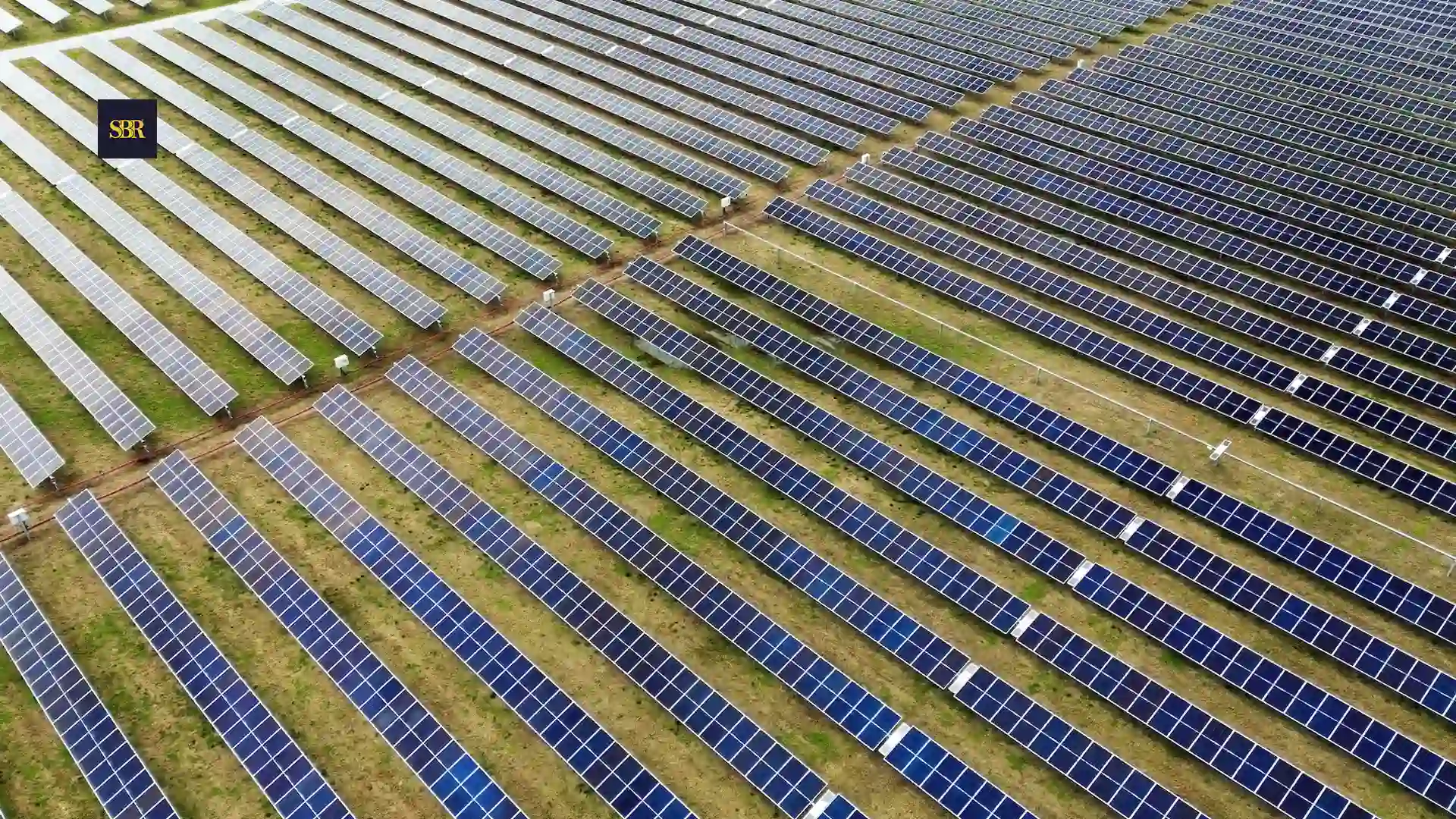
 Mitigation Strategies: Investing in renewable energy, climate-resilient infrastructure, and sustainable agriculture can significantly reduce long-term losses. Limiting warming to 2 °C above pre-industrial levels would require substantial upfront spending but could prevent trillions in damage. The economic argument for mitigation is strong because proactive investment protects incomes, preserves jobs, and stabilizes economies, while failing to act leaves nations exposed to far higher costs.
Economic Rationale: Experts emphasize that the cost of inaction far exceeds the expense of preparing for climate change. Reinforcing flood defenses, upgrading roads and energy systems, and improving water management could offset long-term losses. Governments and private sectors that act now are likely to see benefits for decades, while delayed responses make recovery increasingly costly and uncertain.
The Long‑Term Outlook
If emissions continue unchecked and global temperatures rise beyond 4 °C by the end of the century, the global economy could experience income losses up to 60 percent compared with a stable climate scenario. Even under moderate warming, long-term economic consequences are severe, affecting national budgets, businesses, and household incomes. Experts warn that decisions made today will determine the trajectory of economies for decades, and communities, businesses, and governments must coordinate to reduce emissions, build resilience, and protect vulnerable populations. Failing to act risks a future where economic disasters become routine and widespread.
Climate change is no longer just an environmental issue; it is a financial reality shaping markets, investments, and livelihoods worldwide. Strategic action, through policy and private investment, can turn a looming economic disaster into a manageable challenge. The window for meaningful action is narrowing, and the cost of delay grows each year.
If emissions continue unchecked and global temperatures rise beyond 4 °C by the end of the century, the global economy could experience income losses up to 60 percent compared with a stable climate scenario.
Inputs from Diana Chou
Editing by David Ryder



.webp)