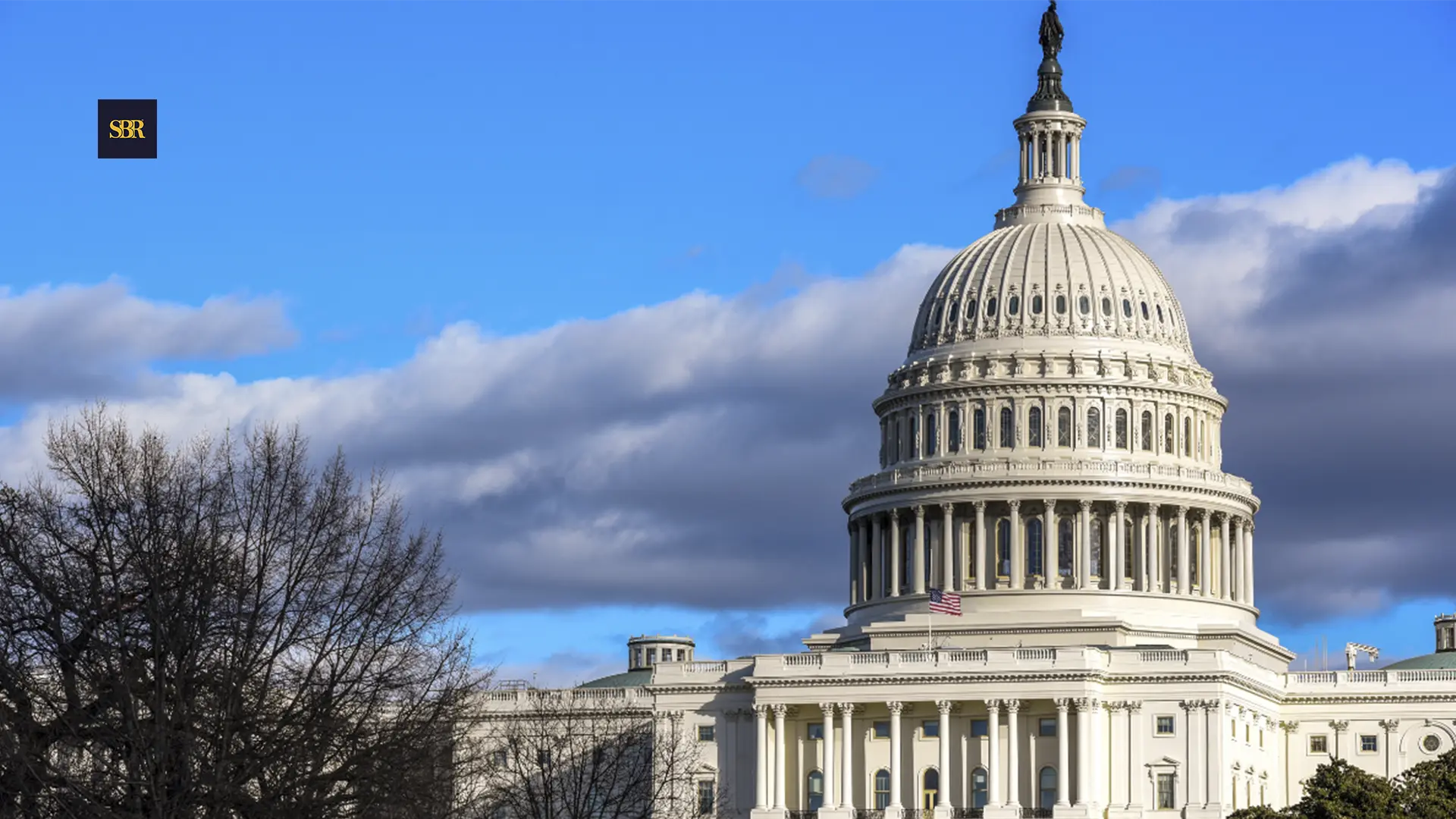
WASHINGTON, June 13, 2026 — For the first time in its history, one of the United States' most important surveillance authorities has expired after Congress failed to agree on a renewal. The lapse marks a rare moment in American intelligence policy, where political disagreements outweighed years of bipartisan support for a national security program.
The authority, known as Section 702 of the Foreign Intelligence Surveillance Act, has long allowed U.S. intelligence agencies to collect communications from foreign targets located outside the country. Officials have argued that the law plays an important role in counterterrorism operations, cybersecurity investigations, and efforts to monitor foreign adversaries.
This year, however, the debate took a different turn. Lawmakers rejected President Donald Trump's controversial nominee to oversee major intelligence agencies. The nomination dispute became entangled with discussions surrounding Section 702, making it difficult for Congress to reach an agreement before the deadline.
The result was unprecedented. A surveillance authority that many officials described as essential was allowed to expire.
Privacy Concerns Return to the Forefront
While the law is directed at foreign individuals overseas, critics argue that communications involving Americans can also be collected during the process.
Privacy advocates have repeatedly called for stronger safeguards, including requirements that government agencies obtain warrants before searching databases for information related to U.S. citizens.
Those concerns have gained traction over the past decade. Public debates surrounding government surveillance intensified after revelations about large-scale intelligence collection programs. Since then, lawmakers from both parties have questioned whether existing oversight measures provide sufficient protection for individual privacy.
The lapse of Section 702 has reopened those discussions. Supporters of reform see it as an opportunity to revisit surveillance laws and introduce stronger restrictions on how collected information can be accessed and used.
Intelligence Agencies Face New Uncertainty
National security officials view the situation differently. Intelligence agencies have consistently argued that Section 702 helps identify threats that would otherwise be difficult to detect.
Supporters of the law point to cyberattacks, espionage campaigns, and terrorist activities as examples of threats that require extensive intelligence gathering capabilities. According to current and former officials, the authority has contributed to numerous investigations involving foreign actors.
Many experts warn that the lapse in legal authority could create operational challenges. Adversaries do not pause intelligence activities while political disputes unfold in Washington.
Even so, the immediate consequences may be limited. Existing authorizations and previously approved surveillance activities can continue for a period, preventing an abrupt disruption to intelligence operations.
Congress Must Revisit Oversight and Security
The larger question now concerns what comes next.
Congress is unlikely to leave the issue unresolved indefinitely. Lawmakers will eventually need to decide whether to restore Section 702 in its current form, introduce substantial reforms, or create an entirely different framework.
That decision will require balancing two competing priorities. Government agencies want tools that allow them to identify foreign threats quickly and effectively. Privacy advocates want stronger protections against unnecessary access to information involving Americans.
Neither side is likely to secure everything it wants. Yet the expiration of Section 702 demonstrates that surveillance powers once considered politically untouchable are no longer guaranteed renewal.
The debate is no longer limited to intelligence gathering. It now includes questions about oversight, accountability, executive authority, and public trust. How Congress answers those questions will shape the future of American surveillance policy for years to come.
The lapse of Section 702 has reopened those discussions. Supporters of reform see it as an opportunity to revisit surveillance laws and introduce stronger restrictions on how collected information can be accessed and used.