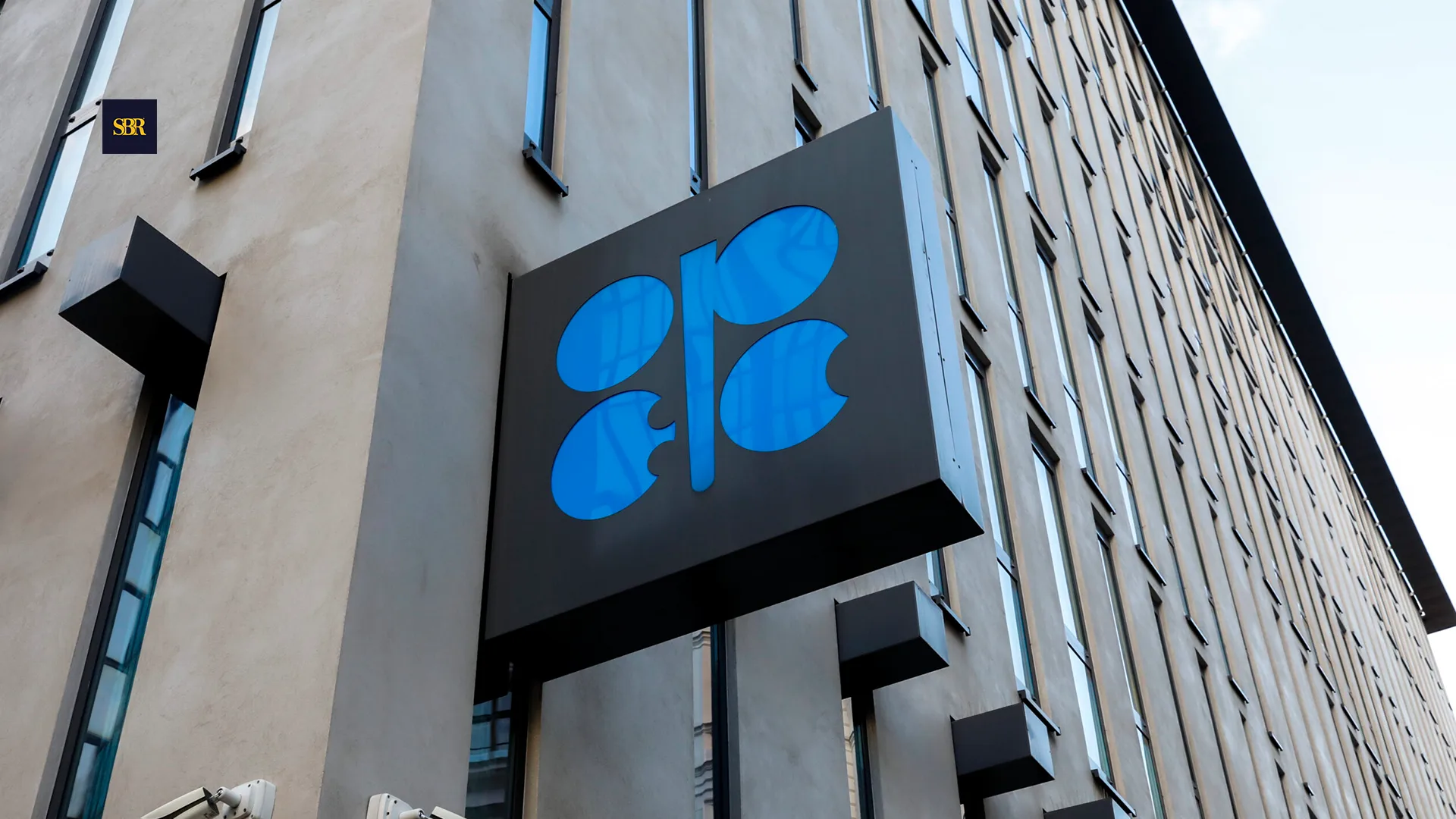
VIENNA, April 28, 2026 — The United Arab Emirates has withdrawn from OPEC and the wider OPEC+ arrangement, ending its formal membership in the group of major oil producers. The decision takes effect on 1 May 2026 and was announced on 28 April.
The UAE said the move follows a review of its long-term energy policy and its preferred role in global oil markets. It framed the decision as a step toward greater control over its own production levels.
OPEC is a group of oil-producing countries that coordinates output targets. OPEC+ includes additional producers that work with OPEC on shared supply decisions. The UAE has been part of this system for decades.
Long-Running Disputes Over Production Quotas
Quota Allocation Has Been a Persistent Point of Tension: The exit reflects ongoing disagreement inside the group over production quotas and how they are distributed among members. These quotas determine how much oil each country is allowed to produce under collective agreements.
The UAE has previously argued that its production capacity has expanded over time and that quota allocations have not kept pace with that growth. Other members have taken different positions on how production limits should be shared across the group.
These differences have been discussed repeatedly within OPEC meetings over recent years, particularly as some members adjusted production levels at different speeds while trying to maintain collective coordination.
Diverging Capacity Growth Has Complicated Agreement: As member countries develop at different rates, production capacity has not grown evenly across the group. This has created ongoing differences in expectations around fair allocation of output levels.
The UAE has pushed for quotas that better reflect its available capacity. Other producers have prioritised maintaining existing balance mechanisms within the group’s framework.
These competing views have made it harder to maintain full alignment on production targets. The UAE’s departure removes one of the larger producers from this shared negotiation structure.
The exit reflects ongoing disagreement inside the group over production quotas and how they are allocated. These quotas set limits on how much oil each member can produce.
The UAE has previously argued that its production capacity has grown and that allocation rules have not kept pace with that change. Other members have held different views on how output limits should be shared.
These differences have become more visible in recent years as member countries adjusted production plans at different speeds. The result has been uneven agreement on how to manage collective supply.
The UAE’s departure removes one of the group’s larger producers from the shared decision-making structure.

Regional Uncertainty Adds to Market Backdrop
The decision comes during a period of instability in parts of the Middle East, including disruption affecting shipping routes near the Strait of Hormuz. This waterway is a key passage for global oil shipments.
Such conditions have created uncertainty for the transport and delivery of crude oil. They have also affected expectations around supply reliability from the region.
The UAE referred to regional conditions as part of the wider environment surrounding its decision, alongside its focus on independent production policy.
Effects On Coordination Among Oil Producers
OPEC and OPEC+ rely on shared production targets to manage supply levels between members. These targets are agreed through negotiations and are adjusted over time.
With the UAE leaving, one of the group’s key Gulf producers is no longer part of those coordinated decisions. This changes how production decisions are shared among the remaining members.
The UAE said it remains a stable supplier of oil to global markets. It did not suggest changes to its role as an exporter.
The development adds further fragmentation to an oil system already shaped by differing national priorities, changing production capacity, and uneven agreement on output levels among major producers.
As member countries develop at different rates, production capacity has not grown evenly across the group. This has created ongoing differences in expectations around fair allocation of output levels.