Financial systems across many parts of Asia have long struggled with uneven access to capital. Traditional banking structures often leave small businesses and non-bank lenders underserved, creating gaps that limit growth and financial participation. Helicap was created within this environment to rework how private credit is accessed and distributed.
Founded in Singapore in 2018, the company operates as a fintech-driven investment platform focused on private credit and alternative lending across Southeast Asia and the wider Asia-Pacific region. The structure connects institutional investors with lending opportunities that sit outside traditional banking channels.
Rather than relying on conventional credit distribution, Helicap builds a bridge between capital providers and underbanked borrowers. This includes small and medium-sized enterprises, fintech lenders, and consumer credit platforms that require structured financing to operate and scale.
The platform operates within a financing gap that has been widely estimated in the hundreds of billions of dollars across the region, particularly among businesses that fall outside traditional credit underwriting frameworks.
Private Credit as a Structured Investment Channel
Private credit forms the foundation of Helicap’s operations. Instead of public market instruments, the platform focuses on privately structured debt arrangements that allow investors to participate in lending opportunities across emerging economies.
These investments are curated and structured through data-driven evaluation of lending originators and borrowers. Returns are designed around income-generating credit instruments, often backed by collateral or structured repayment mechanisms.
Helicap also provides exposure to growth-oriented investments, where capital supports fintech companies and lending platforms operating in high-growth markets. This creates a dual structure where investors can access both income-focused and growth-linked credit opportunities.
The platform positions private credit as a mechanism for portfolio diversification. By moving beyond traditional equity and bond markets, investors gain exposure to assets that are less correlated with public market cycles while participating in credit markets that support real economic activity.
Data Infrastructure Driving Credit Decisions
A defining feature of Helicap’s operations is its reliance on proprietary data systems. The company processes large volumes of information from lending originators, including repayment behavior, borrower profiles, and portfolio performance metrics.
This data is used to evaluate risk, structure deals, and monitor ongoing performance. Rather than relying solely on traditional credit scoring, the system aggregates multiple layers of financial and behavioral data to build more detailed assessments of lending opportunities.
This infrastructure supports decision-making across investment selection and risk management. It allows the platform to screen originators, assess underlying loan portfolios, and structure financing arrangements with defined risk parameters.
Technology also supports monitoring after capital deployment. Loan performance data is continuously analyzed, providing visibility into repayment patterns and portfolio health across different markets.
The result is a system where credit decisions are not static but informed by ongoing data flows, enabling more adaptive oversight of private lending activity.
Expanding Financial Access Across Emerging Markets
Helicap operates across multiple countries in Southeast Asia and the broader Asia-Pacific region. These markets include economies where access to traditional banking services remains uneven, particularly for small businesses and individual borrowers.
By working with non-bank financial institutions, fintech lenders, and regional credit platforms, the company channels capital into segments that often lack direct access to institutional funding. This includes consumer lending platforms, SME financing providers, and digital credit businesses.
The flow of capital through these channels supports broader financial inclusion. Businesses that would otherwise struggle to secure funding gain access to structured credit facilities, allowing them to expand operations, serve customers, and participate more actively in local economies.
The platform also connects global investors to these markets, creating a two-sided structure where capital from institutional sources is deployed into emerging lending ecosystems.
This connection between investors and borrowers forms a distributed financing network that operates across multiple jurisdictions, each with different regulatory and economic conditions.
Structuring Risk Within Private Lending
Private credit requires structured risk management due to the nature of its underlying assets. Helicap addresses this through layered credit evaluation, legal structuring, and portfolio monitoring.
Each lending opportunity is assessed based on borrower profile, collateral arrangements, repayment history, and originator performance. Investment structures often include senior secured positions, covenants, and other protective mechanisms designed to manage downside exposure.
Ongoing monitoring is a key component of the system. Portfolio performance is tracked through data feeds from lending partners, allowing for continuous assessment of credit health.
This structure supports capital preservation while maintaining access to higher-yield opportunities compared to traditional fixed-income instruments. It reflects a balance between return generation and risk oversight within private credit markets.
Building a Cross-Border Investment Network
Helicap operates as more than a single-market platform. It functions as a cross-border network connecting investors, lenders, and financial institutions across multiple regions.
Institutional investors, family offices, and professional capital providers participate in curated investment opportunities structured through the platform. These opportunities span multiple sectors, including consumer lending, SME finance, and fintech infrastructure.
On the other side, lending originators gain access to structured capital that supports portfolio expansion and operational scaling. This includes digital lending platforms and non-bank financial institutions that serve underbanked populations.
The interaction between these participants creates a distributed credit ecosystem. Capital flows through structured channels, supported by standardized evaluation and reporting systems.
This networked structure allows for scalability across jurisdictions while maintaining consistency in credit assessment and investment monitoring.
Redefining Private Credit Infrastructure
Helicap represents a shift in how private credit is accessed, structured, and managed. Instead of fragmented lending relationships, the platform introduces a data-driven infrastructure that connects capital with borrowers through a unified system.
This structure integrates investment sourcing, risk analysis, deal structuring, and portfolio monitoring within a single framework. It reduces reliance on manual underwriting while increasing transparency across lending activities.
At the same time, it extends financial access to segments that remain underserved by traditional banking systems. By connecting institutional capital with regional lending ecosystems, the platform contributes to a more distributed model of credit allocation.
Private credit, in this context, becomes both an investment channel and a mechanism for financial access. It supports returns for investors while enabling capital flow into underserved markets.
Helicap’s role sits within this intersection, where technology, data, and structured finance intersect to redefine how credit operates across emerging economies.
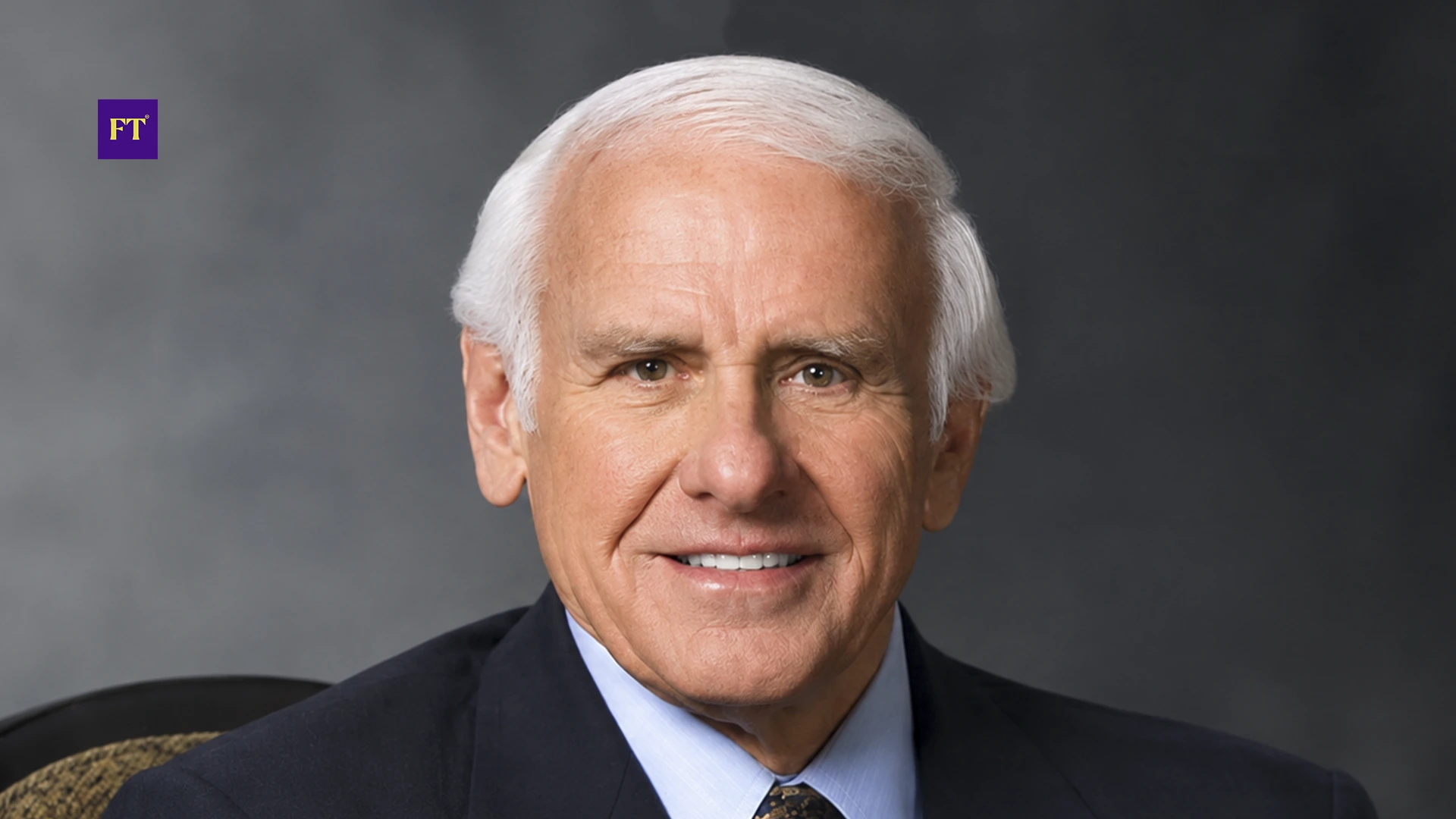
David Z Wang, Co-Founder & Group CEO, Helicap