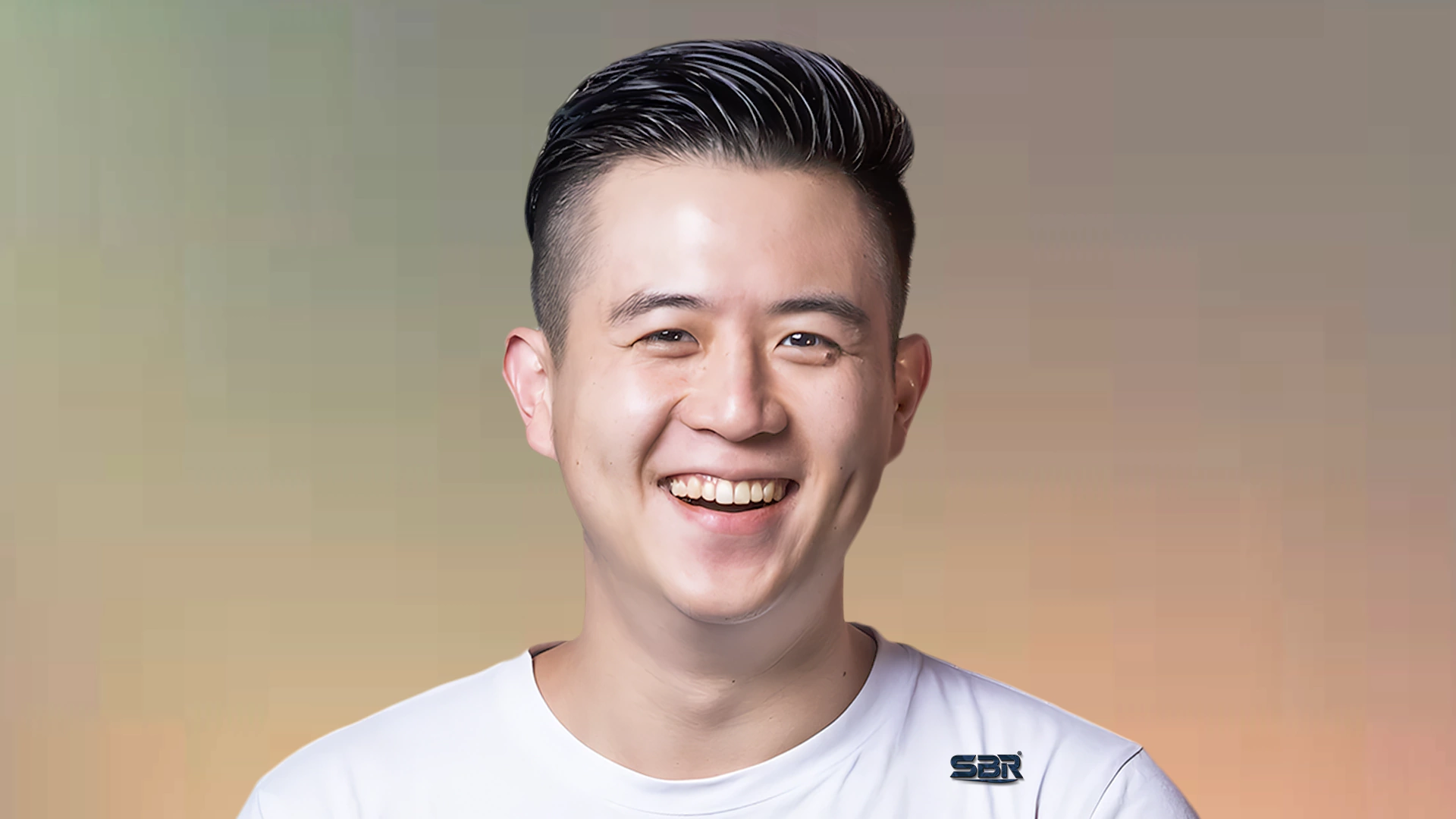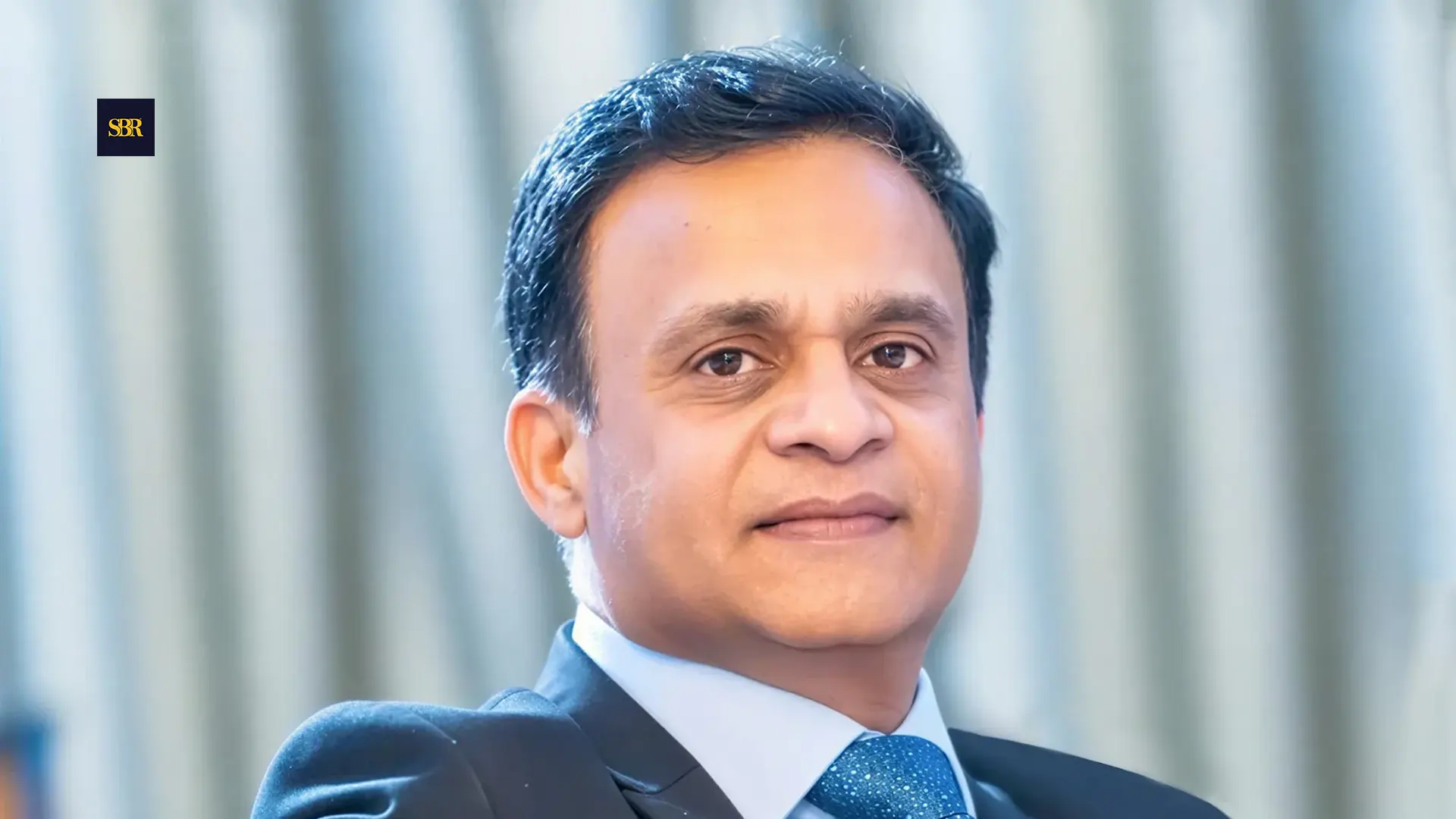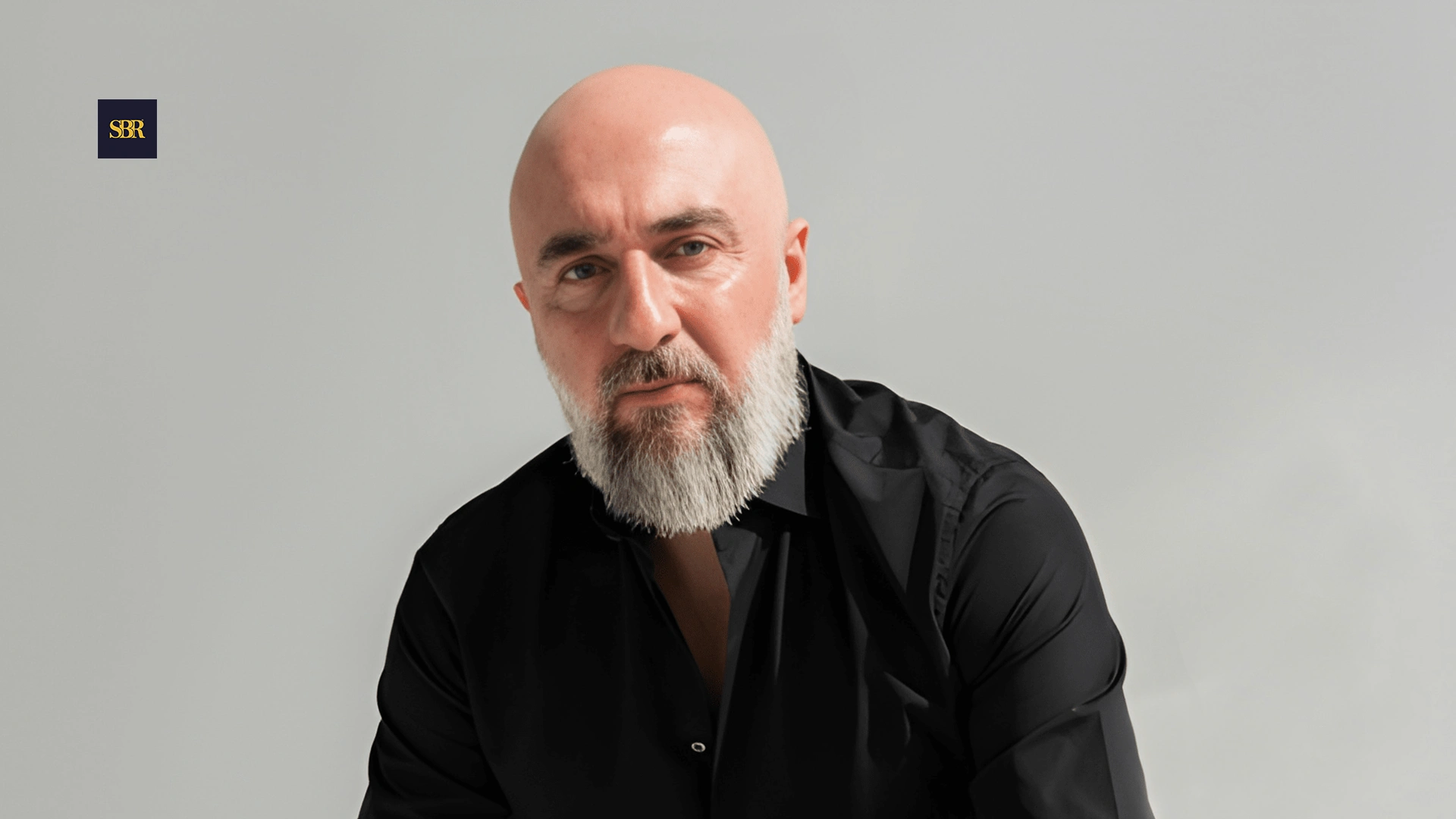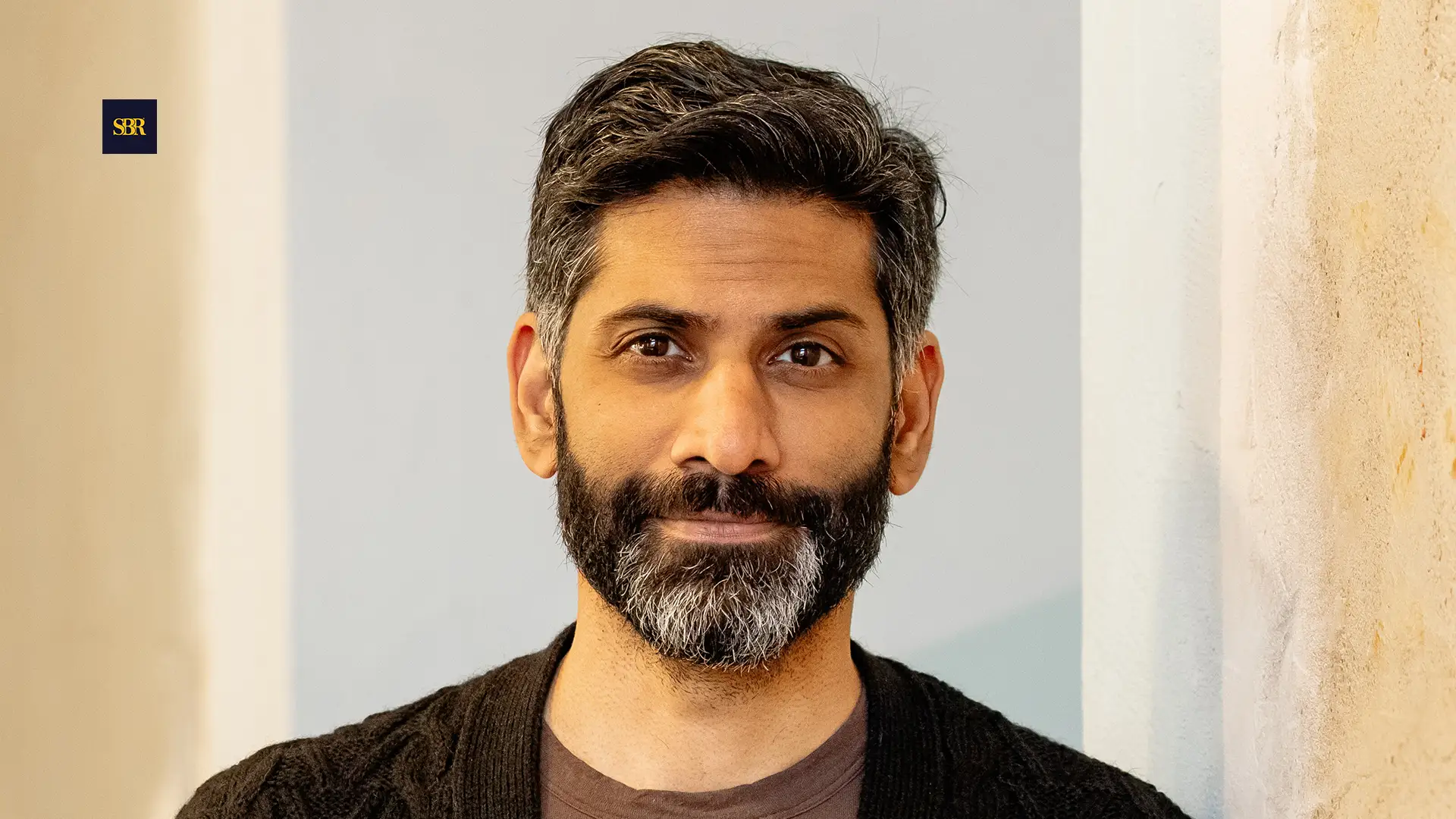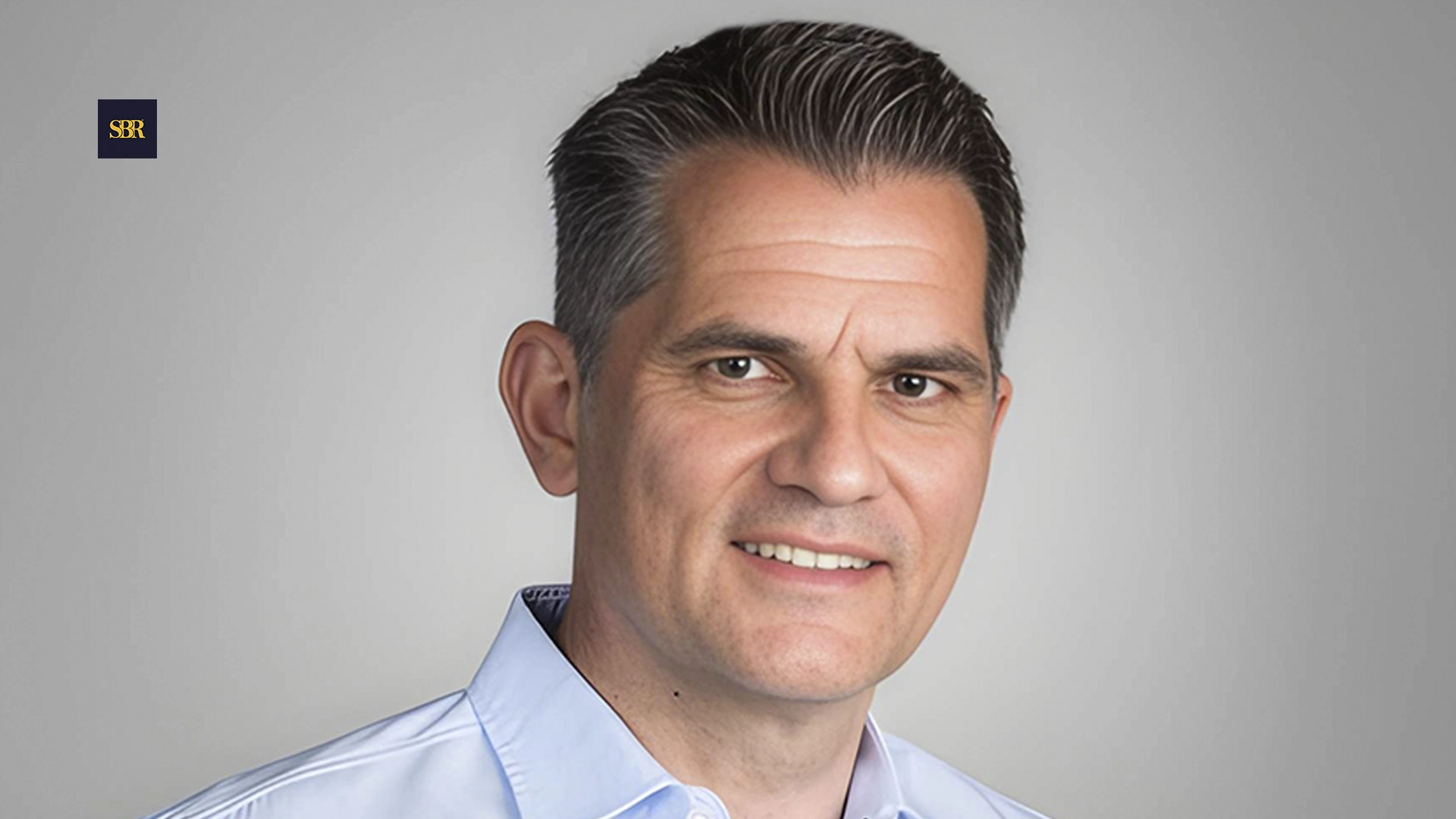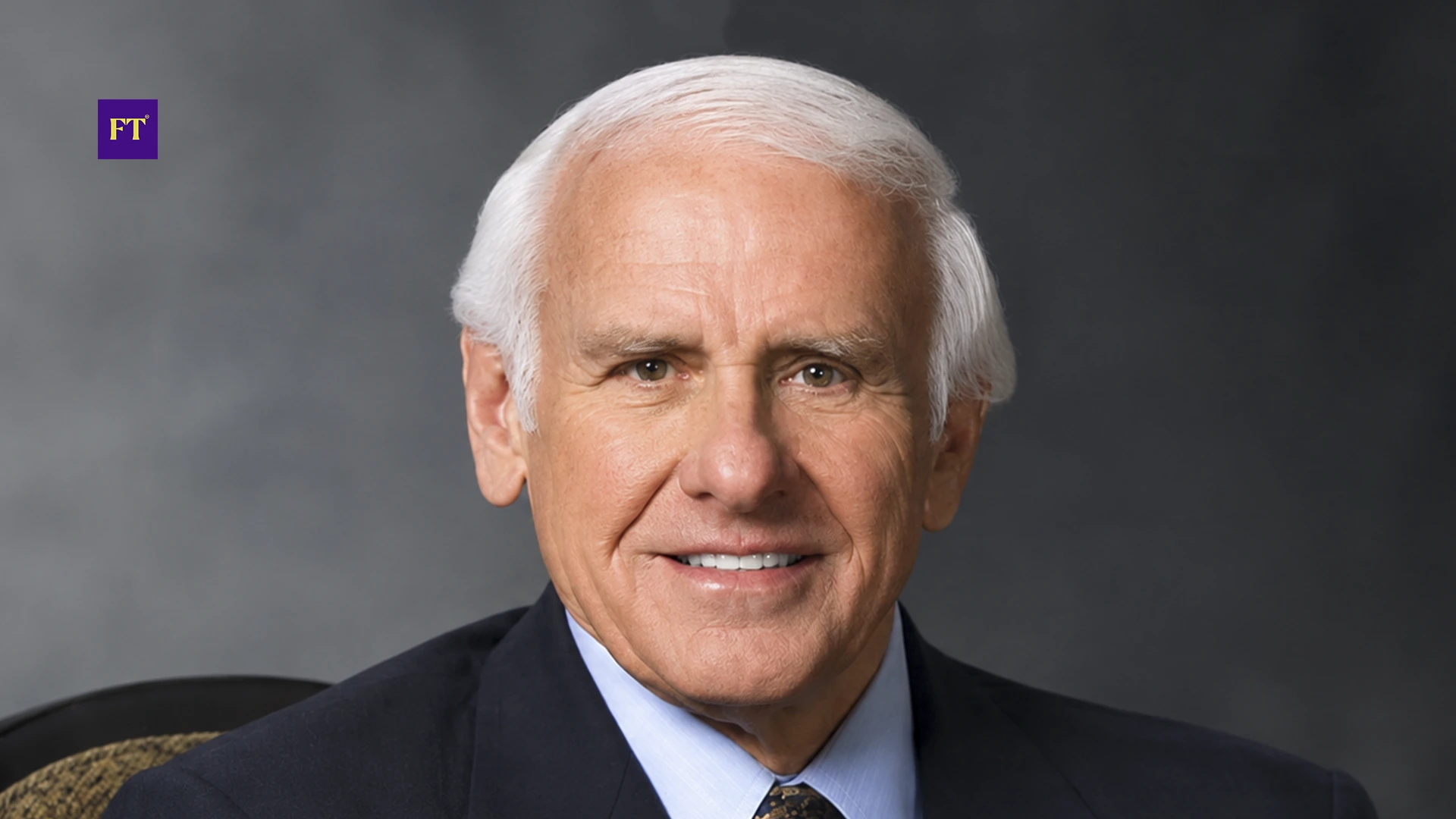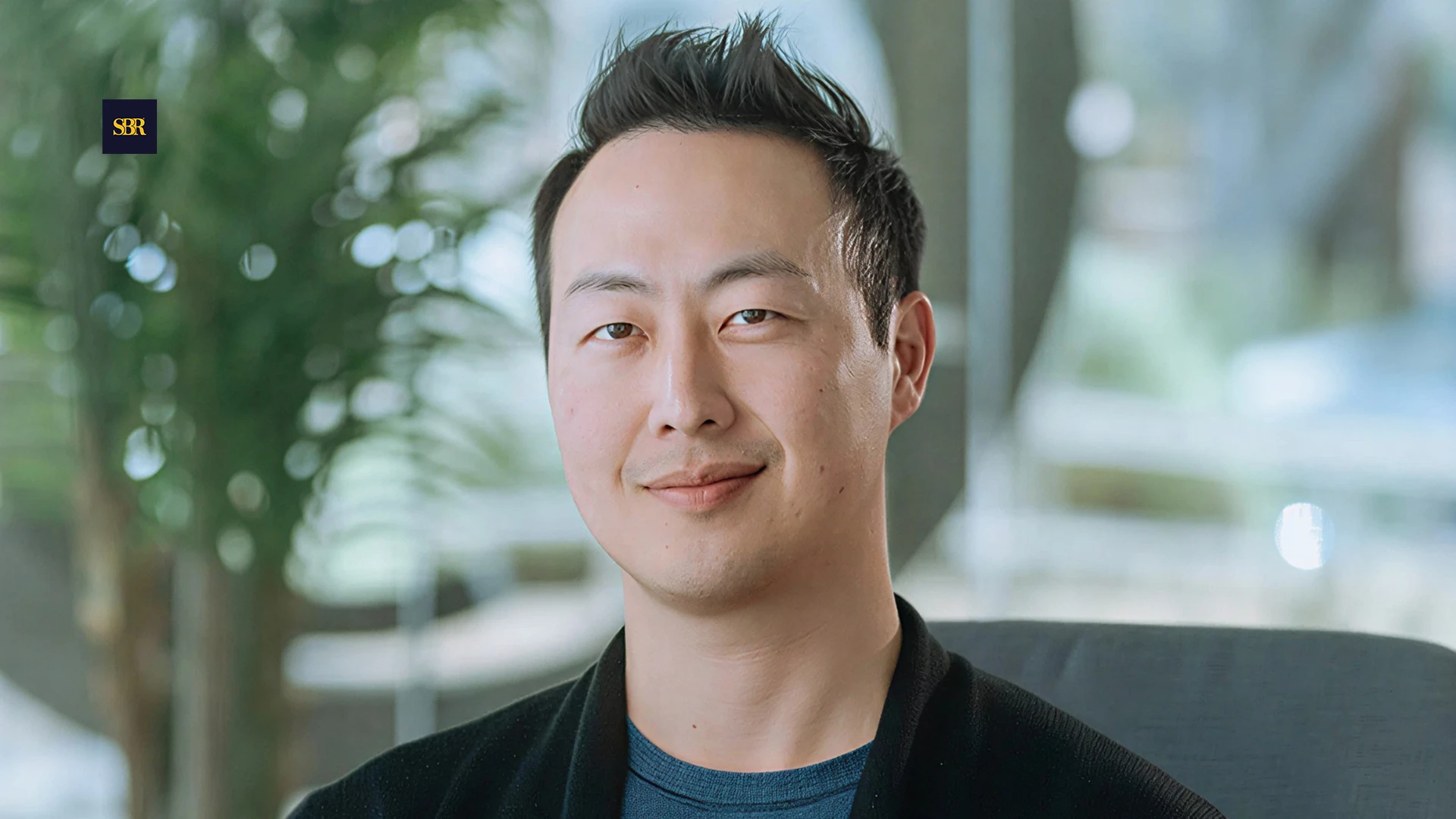
Windsurf was founded in 2021 under the name Codeium, founded by Varun Mohan and Douglas Chen. Both founders brought experience in artificial intelligence systems and large-scale computing from MIT. Early development focused on code completion and assistance across multiple programming languages. Over time, the scope expanded into a broader workspace where writing, reviewing, and debugging software happen inside one connected flow of work.
The rebrand in 2025 introduced the Windsurf identity, reflecting wider functionality beyond autocomplete tools toward full-cycle support for software development activities across varied project sizes.
Editor Experience Shaped Around Flow of Work
The Windsurf Editor serves as the primary workspace for building software. It is structured on familiar code editing foundations, allowing developers to work with existing shortcuts, extensions, and file structures without disruption.
Inside the editor, coding activity is supported by integrated assistance that operates alongside writing and editing. Developers can generate code, request explanations, and modify existing logic without leaving the workspace.
Work across multiple files remains connected within the same interface. Changes in one file can be reflected in related parts of the project, reducing the need to manually track dependencies across the codebase.
Terminal output and test results appear inside the same workspace, keeping execution feedback close to the source code that produced it. This allows development and validation steps to remain part of one continuous working flow.
Cascade and Context-Aware Code Understanding
Cascade functions as an AI system designed to interpret activity across an entire codebase rather than focusing on single inputs. It tracks changes across files, terminal activity, and project structure.
When code is modified in one location, Cascade evaluates how those changes relate to other sections of the project. This supports coordinated updates across multiple files and shared logic components.
Debugging benefits from this structure as well. Error messages and runtime behavior can be reviewed alongside recent edits, allowing relationships between cause and effect to remain visible during troubleshooting.
Cascade operates inside the editor rather than as a separate tool. This allows interaction with suggestions, explanations, and edits without leaving the working workspace.
Enterprise Capabilities and Organizational Deployment
Windsurf Enterprise is designed for large-scale software development organizations. The platform reports usage across thousands of enterprise deployments, reflecting adoption within production environments.
Administrative controls support organizational requirements through features such as centralized user management, role-based access, and authentication systems, including SSO. These controls allow engineering groups to regulate access across repositories and development resources.
Security and compliance features are structured for organizations operating under strict data governance standards. This includes support for regulated sectors where code handling and access control require formal oversight.
Enterprise deployment options allow integration into existing infrastructure setups. This supports organizations that require alignment with internal systems rather than standalone usage.
Windsurf also highlights usage patterns where development work is assisted by Cascade across large codebases, including automation of repetitive coding tasks and coordination across multiple repositories.
Windsurf Editor Experience in Practice
The Windsurf Editor integrates writing, testing, and review into one coding workspace. Developers interact with AI assistance while editing files, generating code, or revising logic.
Multi-step development work, such as updating logic across files or adjusting related tests, can be handled within the same workspace while maintaining awareness of project structure.
Version control workflows and debugging tools remain accessible inside the editor, allowing development activity to stay connected from code creation through execution results.
The structure supports software development where writing, validation, and refinement occur inside one continuous workspace rather than separated tools.
Jeff Wang, CEO, Windsurf