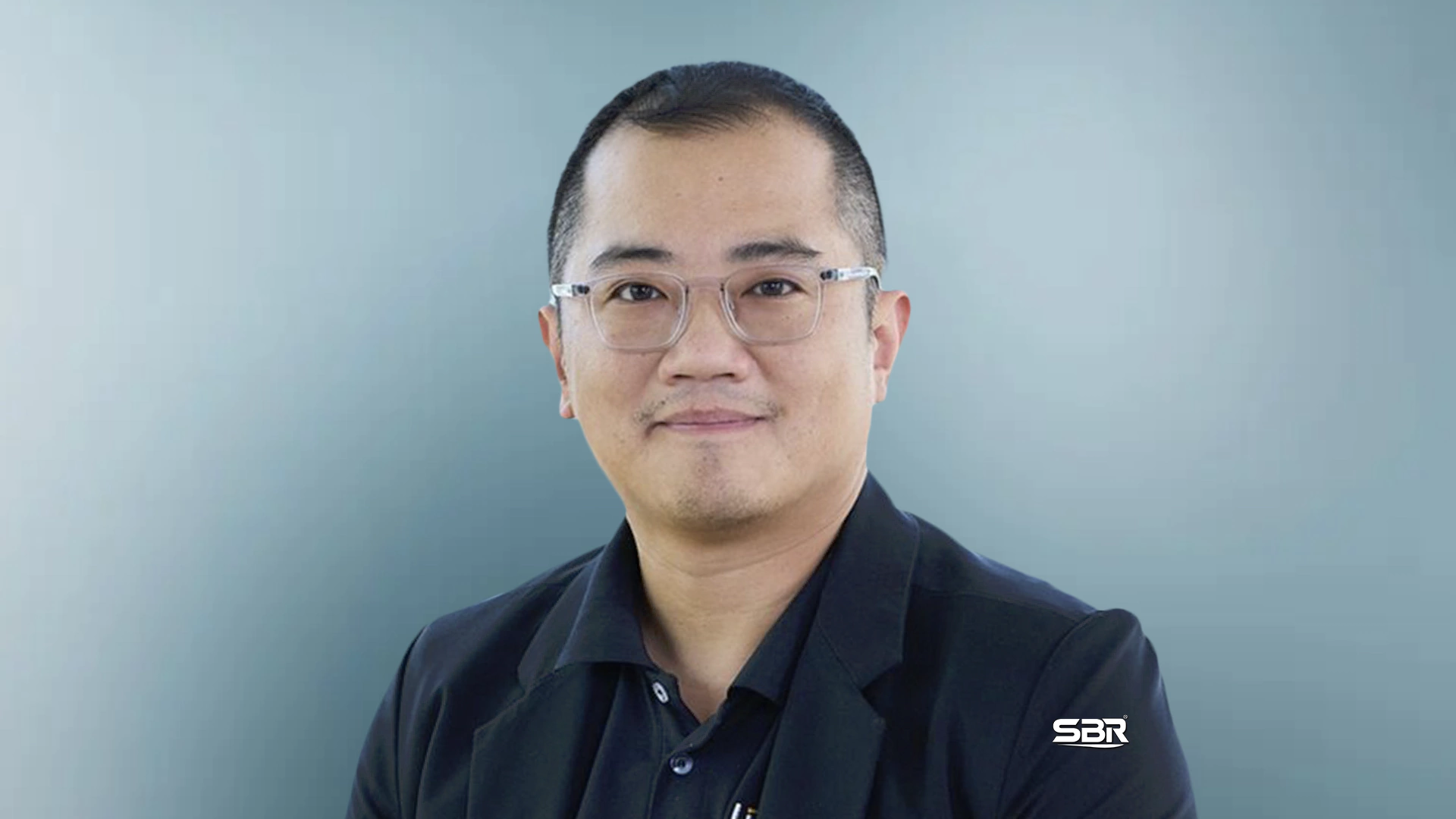
Abridge was founded in 2018 by Dr. Shiv Rao, a practicing cardiologist who saw how administrative work reduced the time physicians could spend with patients. Medical documentation, charting, and billing requirements often extended far beyond patient visits, adding hours of work after clinic schedules had ended.
The company was created to reduce that documentation burden through artificial intelligence systems built for healthcare conversations. Instead of relying on manual note-taking, Abridge records clinician-patient discussions and converts them into structured medical documentation. The platform focuses on helping physicians complete records more efficiently while remaining inside existing healthcare workflows.
Medical Conversations Converted into Clinical Notes
Abridge listens to medical conversations with patient consent and generates clinical notes from those interactions. The system is used across hospitals, outpatient clinics, and other healthcare settings where physicians manage large volumes of documentation each day.
During a patient visit, the platform captures the conversation between the physician and the patient. Artificial intelligence systems process the discussion and generate summaries that include symptoms, diagnoses, medications, treatment plans, and follow-up instructions. Physicians then review and edit the documentation before adding it to the patient record.
The platform also integrates with electronic health record systems used by hospitals and healthcare organizations. This allows clinicians to review generated notes within existing workflows rather than moving information between disconnected systems.
Documentation Burden and Physician Workflows
Documentation remains one of the largest administrative burdens in healthcare. Physicians often spend hours completing charts and entering information into electronic record systems after patient appointments have ended.
Abridge focuses on reducing time spent on manual documentation by generating draft notes directly from conversations. This allows clinicians to spend less time typing during or after visits. Many healthcare organizations using the platform report reductions in after-hours charting and administrative workload.
The system also supports multiple medical specialties and multilingual conversations. Different healthcare settings use different terminology and documentation styles, so the platform is designed to support varied clinical workflows.
Physicians using AI-generated documentation tools often describe both benefits and limitations. Some report reduced mental fatigue and faster note completion during busy schedules. Others note that physician review remains necessary to verify medical accuracy and edit details before final approval.
Contextual Reasoning and Clinical Verification
Abridge uses what it describes as a Contextual Reasoning Engine to generate structured medical documentation from clinical conversations. The system links generated notes back to sections of the original conversation, allowing physicians to trace documentation to supporting dialogue.
This verification process is important in healthcare settings where medical records affect clinical decisions, billing, and compliance requirements. Physicians still review and approve all generated notes before records become part of official documentation.
The platform also supports specialty-specific workflows where terminology and documentation requirements vary across medical disciplines. This allows usage across cardiology, emergency medicine, primary care, and other healthcare fields.
Healthcare AI systems must also operate within strict privacy and security requirements related to patient information. Systems handling medical conversations are required to support healthcare data protection standards and regulated record management processes.
Enterprise Healthcare Adoption and Industry Growth
Abridge has expanded across large healthcare organizations in the United States. Hospitals and health systems are adopting AI-assisted documentation systems to reduce administrative workload and improve physician workflows.
The company has gained attention in healthcare technology discussions on ambient AI systems, speech recognition, and generative AI documentation. Adoption has grown alongside broader interest in reducing physician burnout linked to administrative tasks.
Competition in this category remains strong. Multiple companies are developing AI systems that listen to medical conversations and generate clinical notes for physicians. These tools are becoming part of a larger movement toward AI-assisted healthcare administration.
At the same time, healthcare organizations continue evaluating questions related to privacy, accuracy, compliance, and physician oversight. AI-generated documentation still requires human review before becoming part of patient records.
AI Systems and the Future of Medical Documentation
Abridge reflects a larger movement toward AI-assisted healthcare operations. Medical documentation, once handled entirely through manual charting and transcription, is increasingly integrated with speech recognition and generative AI systems.
The platform converts live patient conversations into structured medical records while integrating with healthcare software already used by hospitals and clinics. This allows clinicians to work within familiar systems while reducing time spent on repetitive documentation tasks.
As adoption of healthcare AI grows, systems like Abridge are becoming part of everyday clinical workflows tied directly to patient visits, physician records, and healthcare administration.
Shiv Rao, MD, Founder & CEO, Abridge