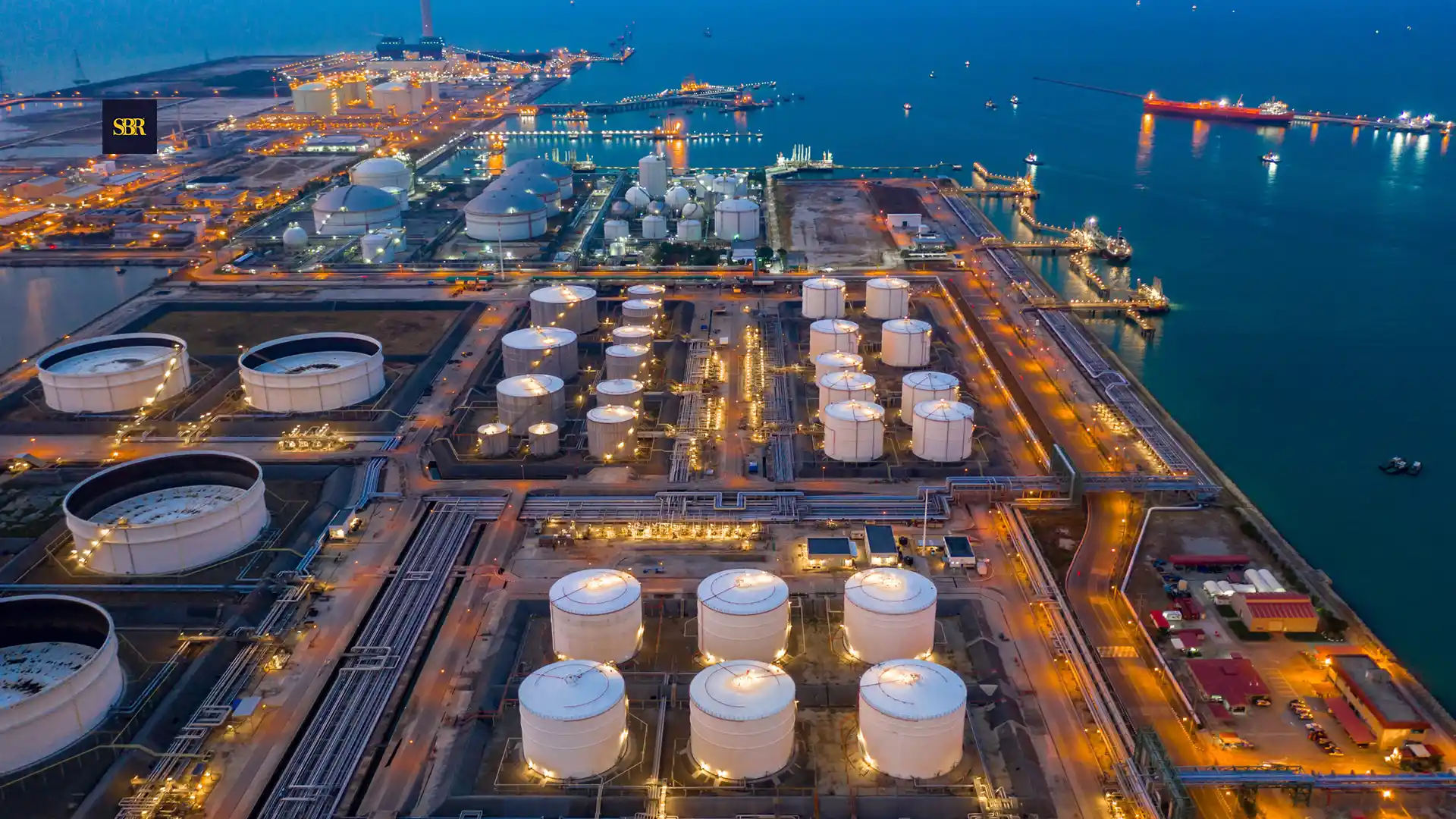
NEW DELHI / ISLAMABAD, April 6, 2026 — Governments across South Asia are moving swiftly to manage a fuel crunch triggered by the Iran war, which has disrupted global oil and gas flows and cut fuel access for import-dependent economies. The conflict has affected shipments through the Strait of Hormuz, a key transit route for energy exports, pushing up costs and forcing countries to act to keep essential services running. As prices climb and supply chains face disruption, policymakers are taking steps to manage consumption while ensuring critical sectors continue to function.
India, the region’s largest energy consumer, has taken a series of fiscal and administrative measures to ease the strain. Authorities reduced excise duties on petrol and diesel to cushion the effect on consumers while imposing windfall taxes on exports of diesel and aviation fuel so more fuel stays within the country. At the same time, officials redirected natural gas from nonessential sectors to priority users such as city gas distributors and fertilizer producers. Refiners were instructed to increase liquefied petroleum gas output to meet domestic demand, aligning supply adjustments with broader efforts to maintain availability. These steps reflect an attempt to manage price pressures and supply constraints as global volatility filters into domestic markets.
Islamabad Tightens Budgets, Limits Fuel Use
Pakistan has responded by sharply increasing fuel prices while reducing consumption across government operations. Authorities cut fuel allowances for public departments and introduced a shorter workweek for civil servants so offices use less energy. Public institutions now operate with fewer staff on site, and large events have been scaled back or held without spectators to reduce travel demand. These measures are designed to stretch available fuel stocks while limiting further strain on public finances, as higher import costs add to inflation and fiscal stress.
Bangladesh has also taken steps to curb consumption by reducing working hours for offices and banks and requiring shopping centers to close earlier in the evening. Public institutions have been directed to limit electricity use by cutting nonessential lighting and equipment, while authorities discourage unnecessary travel. Reports from urban centers indicate longer queues at fuel stations and intermittent supply gaps, reflecting the mismatch between demand and deliveries.
In Nepal, the government has raised prices for petrol, diesel and cooking gas while extending weekly holidays for schools and government offices to reduce fuel use in transport. Officials have also introduced cooking gas rationing and announced plans to expand electric vehicle adoption. These measures connect immediate demand reduction with broader changes that could reduce reliance on imported fuels.

Smaller Nations Trim Transport and Seek Support
Sri Lanka has introduced a midweek public holiday to cut commuting and industrial energy use while reducing strain on limited fuel reserves. Train and bus services have been scaled back, and electricity tariffs for households and businesses have been raised to reflect higher generation costs. Authorities have redirected budget resources toward fuel imports to ensure that essential services such as hospitals and water systems continue to operate without interruption.
In the Maldives, officials have sought additional fuel shipments from India as tighter inventories affect transport and tourism operations. The government has also raised domestic fuel prices to extend the life of available stocks and manage demand across the island nation. These developments highlight how smaller economies with limited reserves depend on external support and pricing adjustments to manage supply constraints.
Across the region, governments are balancing immediate conservation efforts with the need to maintain economic activity. The combination of higher costs and constrained availability has placed strain on households and businesses, with transport operators and manufacturers adjusting operations to reflect increased fuel expenses.
Regional Challenges and Structural Energy Adjustments
Supply Disruptions Ripple Across Import-Dependent Economies: The strain on South Asian energy systems stems from disrupted flows through the Strait of Hormuz, a critical transit route for crude oil and liquefied natural gas shipments bound for Asia. With cargoes delayed or rerouted, import-dependent economies have been forced to compete more aggressively in global markets, driving up procurement costs and tightening availability. Countries with limited storage capacity or weaker currencies face sharper challenges, as higher import bills feed into domestic price increases and widen fiscal gaps. This chain reaction has left governments balancing immediate energy needs with broader economic stability, while industries that rely heavily on fuel continue to adjust output and pricing strategies.
Policy Changes Point to Deeper Energy Realignment: Beyond short-term fixes, the crisis has pushed governments to reassess their energy mix and dependency on external sources. Several countries have begun promoting electric mobility through incentives and pilot programs, while also exploring investments in renewable energy to reduce reliance on imported fuels. Urban centers are evaluating public transport expansion to curb fuel demand, though infrastructure gaps remain a constraint. Policymakers are also examining regional cooperation for joint fuel procurement and shared reserves, which could provide more flexibility during future disruptions. These developments indicate a broader shift in how countries are planning for energy security alongside immediate crisis management.
The effects of the crisis are already visible in daily life across South Asia. Motorists face longer waits at petrol stations, and transport fares have increased as operators pass on higher costs. Energy-intensive industries such as metals and chemicals are adjusting production levels, which may affect output and employment if conditions persist. Governments continue to monitor developments in global energy markets and are expected to refine their responses as the situation evolves.
India, the region’s largest energy consumer, has taken a series of fiscal and administrative measures to ease the strain. Authorities reduced excise duties on petrol and diesel to cushion the effect on consumers while imposing windfall taxes on exports of diesel and aviation fuel so more fuel stays within the country.













.webp)