OrbicTrade is an AI-enabled front-office platform that captures and structures trade intent at the source and converts it into validated commercial data for downstream use in CTRM, ETRM, ERP, and analytics platforms. It sits ahead of existing trading systems and helps ensure commercial information is recorded consistently before execution and processing. This reduces manual trade entry, improves data quality, and streamlines workflow execution across commodity trading operations.
OrbicTrade is one of the fastest-growing companies in the AI-enabled commodity trading space, with expanding adoption of its front-office model across organizations.
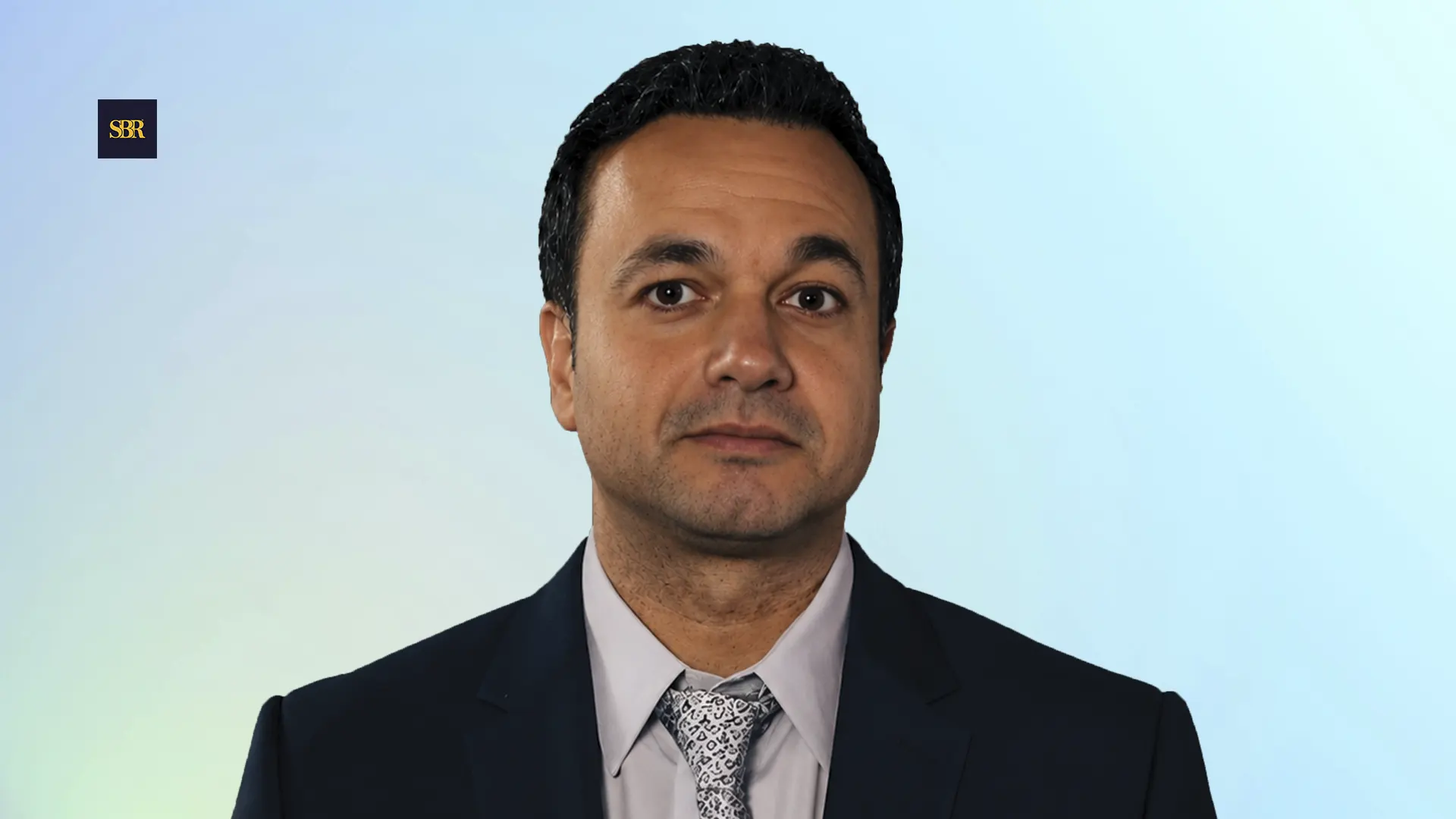
SME BUSINESS REVIEW reached out to Amir Soufizadeh, Director of OrbicTrade, for an interview to discuss how the company addresses inefficiencies in pre-trade negotiation, deal capture, and CTRM integration through its AI-enabled front-office platform, and how it improves the capture, validation, and flow of commercial trade information. Here’s what Mr Soufizadeh had to say.
In Conversation with Amir Soufizadeh
How did OrbicTrade come into existence, and what inefficiencies in pre-trade negotiation, deal capture, and CTRM integration did it set out to solve?
OrbicTrade was created by commodity trading professionals who had collectively spent decades implementing, operating, and optimizing CTRM and ETRM platforms across some of the world’s largest commodity trading organizations.
Throughout those engagements, we observed a common challenge. While CTRM systems remain essential for risk management, logistics, settlements, and reporting, traders were spending a significant portion of their day on administrative tasks rather than trading.
This created inefficiencies, delays, inconsistencies, and operational risk.
OrbicTrade was founded to bridge this gap. We developed a modern, AI-enabled front-office platform that captures deal intent at source, structures trade information intelligently, and prepares it for seamless downstream processing.
Rather than replacing CTRM systems, OrbicTrade enhances them by becoming the intelligent front-end layer where commercial activity begins.
As a next-generation AI-enabled pre-deal and deal capture platform, what are OrbicTrade’s key focus areas?
At OrbicTrade, we focus on five key areas that address some of the most persistent challenges in commodity trading. The platform leverages AI-assisted deal capture and trade structuring to simplify how trading opportunities are recorded and organized from the outset. It also supports pre-trade negotiation management, enabling teams to track discussions, terms, and deal progress more effectively before execution.
Another important focus is workflow automation and approval management, which helps reduce manual processes and improve operational consistency. OrbicTrade is designed to integrate seamlessly with existing CTRM, ETRM, ERP, and data platforms, ensuring that information flows efficiently across an organization’s technology ecosystem. In addition, it enhances trader productivity and operational efficiency by minimizing repetitive administrative tasks.
We believe the future of commodity trading lies in reducing manual effort while improving the quality and accessibility of data. By automating routine processes and creating a single source of truth for trade information, OrbicTrade enables traders and operators to spend more time on strategic, value-generating activities.
Our vision is to capture trade intent once and use it everywhere across the trading lifecycle.
How does OrbicTrade standardize and validate trade capture data across multiple commodities markets prior to CTRM integration?
Commodity markets are highly diverse. Physical metals, concentrates, energy products, agricultural commodities, freight, and derivatives all have unique commercial structures.
OrbicTrade utilizes configurable commodity templates, validation rules, and AI-assisted data interpretation to standardize trade information before it enters downstream systems. It validates critical fields, including:
1) Counterparty information
2) Product specifications
3) Pricing formulas
4) Delivery terms
5) Incoterms
6) Quantity and units of measure
7) Optionality structures
8) Settlement requirements
By validating data at the source, organizations can significantly reduce downstream reconciliation issues, manual corrections, and operational exceptions. As a result, they benefit from cleaner data, faster processing, and greater confidence in risk management and reporting.
How does OrbicTrade improve trader productivity compared to traditional CTRM and trade capture systems, particularly in day-to-day trade entry and workflow execution?
Many CTRM platforms were originally designed for risk management and operational processing. OrbicTrade takes a trader-first approach.
Instead of requiring users to navigate complex screens and repeatedly enter the same information, OrbicTrade leverages AI to assist with data extraction, trade creation, workflow routing, and validation. By automating and streamlining these activities, the platform enables faster deal capture while significantly reducing manual keying and the risk of data entry errors. It also improves collaboration between front- and middle-office teams by ensuring that information is captured accurately and shared efficiently across workflows. As a result, organizations can accelerate trade lifecycle processing and operate more efficiently.
In many organizations, highly skilled traders spend valuable time performing administrative activities. OrbicTrade helps reclaim that time and redirect it toward commercial decision-making.
How does OrbicTrade handle trade capture from email and chat channels, and how are these inputs processed for downstream CTRM and ETRM systems?
Commodity trading negotiations take place across multiple communication channels, making it challenging to capture and manage critical deal information consistently. OrbicTrade addresses this challenge through AI-powered extraction capabilities that can interpret commercial information from emails, chats, and supporting documents.
The platform automatically identifies key trade attributes, including counterparties, products, volumes, pricing terms, delivery periods, locations, and other commercial conditions. Users can then review and validate the extracted information to ensure accuracy before it is converted into structured trade records.
Once approved, the information can be integrated into CTRM, ETRM, ERP, and analytics platforms through OrbicTrade’s API-first architecture. This significantly reduces duplicate data entry while improving speed and consistency.
What other services does OrbicTrade offer beyond its core trade capture and CTRM integration capabilities?
While trade capture remains our primary focus, clients increasingly leverage OrbicTrade as part of a broader front-office modernization strategy. Additional capabilities include the following.
1) Trader dashboards and analytics
2) Workflow orchestration
3) Approval management
4) Document and communication management
5) Operational controls and audit trails
6) Data quality monitoring
7) API integration services
We also provide implementation support, integration consulting, and commodity trading process optimization through our specialist delivery teams.
Who are OrbicTrade’s clients, and what makes those industries a good fit?
OrbicTrade is designed specifically for organizations involved in commodity trading and commodity-intensive supply chains. Our clients and target users include the following.
1) Commodity producers
2) Trading houses
3) Energy companies
4) Refiners
5) Agricultural traders
6) Metal and mining organizations
7) Commodity processors
8) Supply and trading divisions within large enterprises
These organizations typically manage high transaction volumes, multiple systems, and complex commercial workflows. They are looking for ways to improve operational efficiency, enhance controls, and reduce the administrative burden on traders and commercial teams.
That is exactly where OrbicTrade delivers value.
What differentiates OrbicTrade from other trade capture and CTRM pre-trade solutions in the market, particularly in terms of workflow design, integration, and user experience?
Three key factors differentiate OrbicTrade.
Front-Office First: Most platforms begin with risk and operations. OrbicTrade begins with the trader. Every workflow is designed to support commercial users while ensuring downstream control and governance requirements are met.
AI at the Core: AI is not an add-on feature within OrbicTrade. It is embedded throughout the platform to streamline data capture, workflow execution, and user interactions.
Open Integration Architecture: Organizations rarely operate a single system. OrbicTrade was built with an API-first architecture that allows integration with leading CTRM, ETRM, ERP, data, and analytics platforms.
This enables clients to modernize their front office without replacing their existing technology landscape.
We are not another CTRM. We are the intelligent layer that sits before it.
Is there anything else about OrbicTrade or its services you would like to share that we have not discussed?
One of the biggest misconceptions in commodity trading technology is that digital transformation requires large-scale system replacement programs. We believe organizations can unlock significant value much faster by improving the point where commercial information first enters the organization. That is why we focus on the front office.
Small improvements at the beginning of the trade lifecycle can generate substantial benefits across risk management, operations, finance, compliance, and reporting. The future of trade capture is not another system of record. It is intelligent capture at the source.
What are OrbicTrade’s plans for the next five years?
Our long-term goal is to establish OrbicTrade as the leading AI-enabled front-office platform for commodity trading organizations worldwide. Over the next five years, we plan to broaden our commodity coverage by supporting additional markets such as freight and environmental products, while continuing to expand the platform’s AI-driven automation capabilities. We also intend to enhance predictive commercial intelligence and decision-support functionality, helping organizations make faster and more informed decisions.
At the same time, we are focused on expanding our global client footprint, strengthening integrations with leading CTRM and enterprise platforms, and continuing to invest in security, compliance, and enterprise scalability. These investments are designed to ensure that the platform continues to meet the needs of commodity trading organizations as they grow and respond to new business and market requirements.
Our objective is to help commodity organizations capture, validate, and operationalize commercial information faster than ever before, enabling them to improve performance and make better use of critical business data across the trading lifecycle.
AMIR SOUFIZADEH | DIRECTOR
Amir Soufizadeh is the Director of OrbicTrade and Director of BBGC, a global commodity trading and risk management consultancy.
With more than 20 years of experience across commodity trading, risk management, digital transformation, and CTRM implementation, Amir has worked with some of the world's leading organizations across energy, metals, mining, and agricultural markets.
Throughout his career, he has advised trading organizations on operating model design, technology strategy, front-office transformation, risk management, and large-scale digital programs.
His experience spans senior leadership, advisory, and transformation roles supporting global commodity producers, trading houses, and multinational enterprises.
Amir is committed to addressing a challenge he repeatedly observed across the industry. Too often, highly skilled traders spend valuable time on administration and manual data entry. His vision is to help commodity organizations unlock productivity, improve data quality, and modernize front-office operations through intelligent, AI-enabled technology.














.webp)