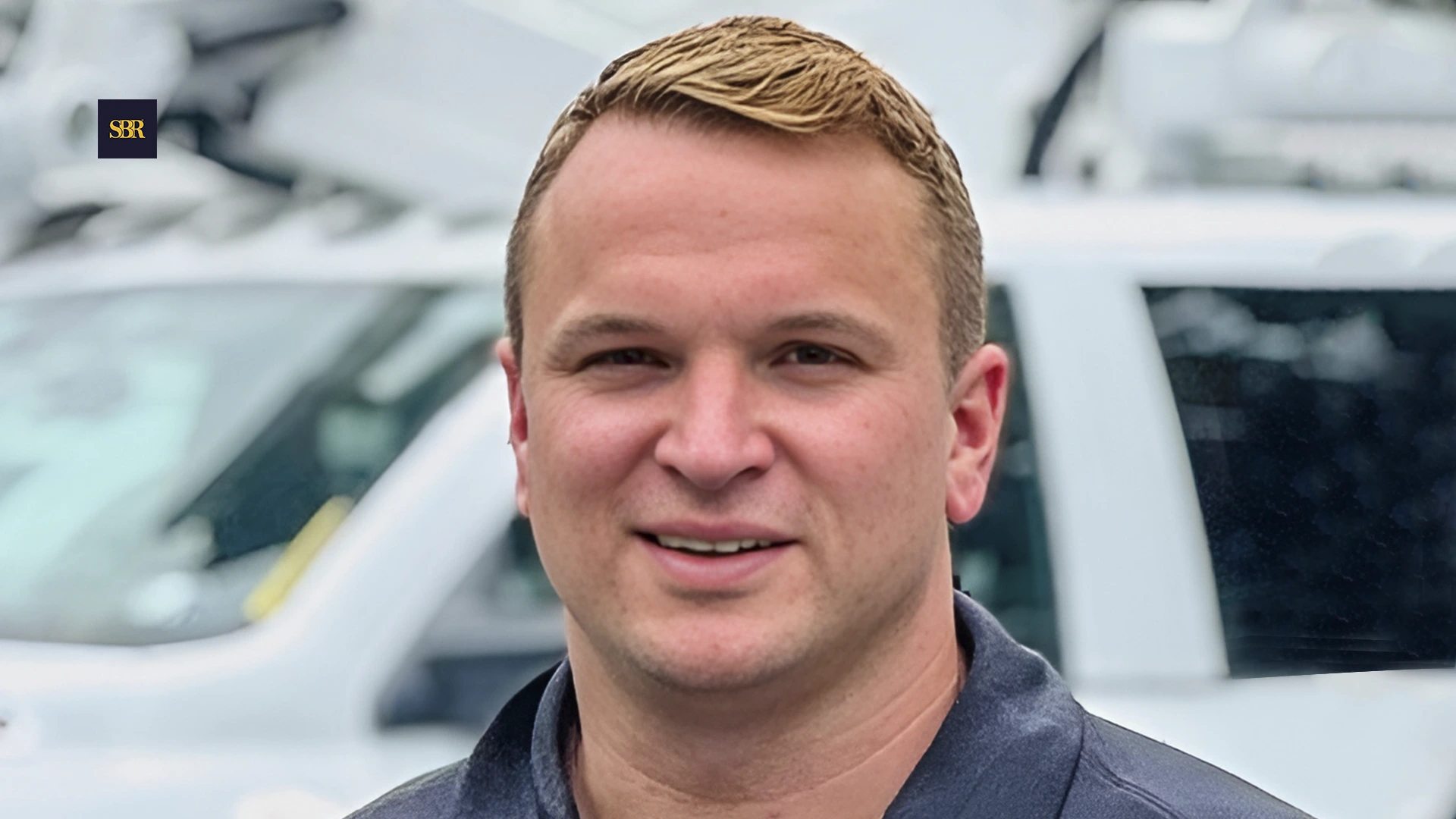
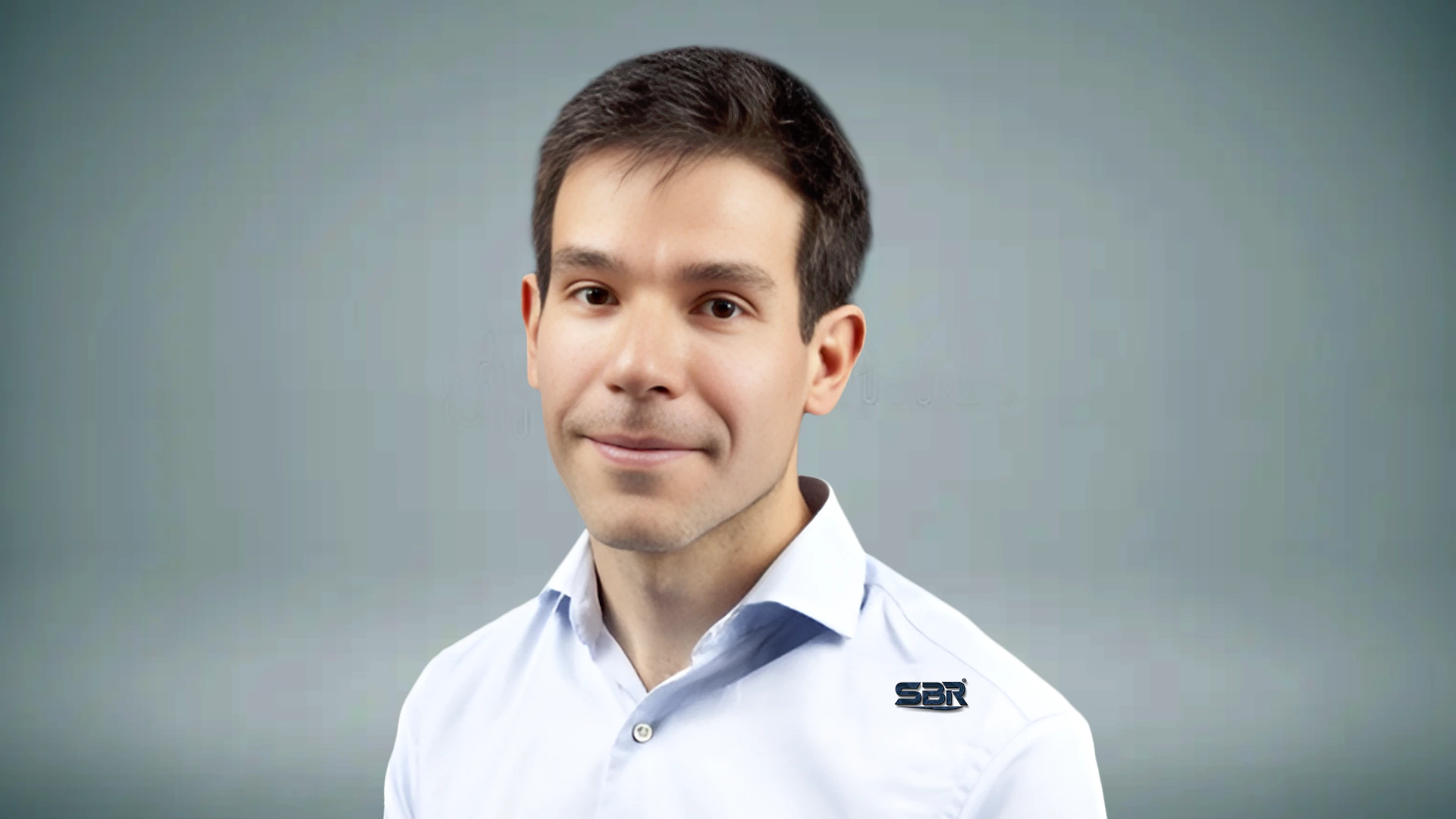
Geoffroy Henry founded Ofload to address the stubborn operational challenges freight carriers, drivers, and shippers encounter daily. Based in Australia, the company is expanding steadily into Southeast Asia, maintaining a clear focus on execution and delivery.
Reflecting on the early days, Geoffroy puts it plainly. “We didn’t enter the market with a finished product or a polished pitch,” he says. “We went to trucking yards, warehouses, and distribution hubs. We asked people what wasn’t working and paid close attention when they explained why those problems had remained unsolved for years.”
The freight sector, Geoffroy notes, has a long memory. It has seen outsiders introduce flashy tech without understanding the realities on the ground — and watched many of those efforts fail. Geoffroy was intent on a different approach. He understood that trust is earned through steady, meaningful improvements — identifying gaps, resolving them, and doing the work quietly, without unnecessary display.
Understanding the Human Drivers of Freight
When asked about the technology powering Ofload, Geoffroy gives a measured response. “We use automation, data tools, machine learning — but only where it adds real value,” he says. “Technology alone is not what makes us a good partner. What makes us useful is that we understand the human side of this work.”
He explains that the backbone of the freight world is not made up of large corporations but of small and medium-sized carriers — family-owned businesses, independent drivers, and regional firms working under thin margins. “If you only look at them as data points on a screen, you completely miss the point,” Geoffroy says. “These are people carrying operational risk every day. They need partners who understand the pressures they’re under and work alongside them, not just issue top-down solutions.”
He leans back slightly, adding, “It’s tempting for outsiders to assume that software can fix everything. But freight is a physical business — it’s metal, rubber, concrete, timing, and weather. If you want to be genuinely useful, you first have to respect the people who keep the system running.”
That respect, Geoffroy points out, goes beyond simple communication. It’s about designing solutions that fit the operational realities small players face. Technology, in this context, is not the headline — it’s the toolset. The main value comes from aligning those tools with the needs and capabilities of the businesses doing the actual work.
Disciplined Growth, Not Speed for Its Own Sake
Ofload’s expansion across Australia and its gradual move into Southeast Asia reflect a clear philosophy: controlled, deliberate growth. “We avoid expanding faster than we can deliver,” Geoffroy says. “The logistics world is unforgiving. If you overpromise and underdeliver, you don’t just lose a customer — you lose credibility, and regaining that is extremely difficult.”
He explains that from the start, Ofload has resisted the typical startup race for rapid market share or aggressive feature launches. “There’s constant pressure — from investors, from competitors, from the market itself — to scale faster, to show bigger numbers, to claim more ground,” Geoffroy says. “But we have always believed that consistency is more valuable. Reliability is the foundation of everything in this business.”
He gives an example from the company’s early years. “We had built features we were excited to release. But when we talked to customers, we realized they were not ready. They needed time to adjust to the existing tools and workflows before we layered on anything new. So we delayed the rollout. It was the right decision because pushing too hard would have created more problems than it solved.”
This approach, Geoffroy points out, applies not only to product development but also to hiring, partnerships, and geographic expansion. “Every decision we make has to align with our ability to deliver. That sometimes means moving slower than others — but it also means we are building on solid ground.”
Building a Business That Lasts
Geoffroy makes it clear that Ofload’s ambitions are grounded in building a sustainable and durable business, not in chasing dominance or visibility. “We are not looking to be a household name,” he says plainly. “We want to be the partner that businesses trust, the one that helps improve their operations in ways that matter, without unnecessary attention.”
He points to three major goals: reducing waste in freight systems, ensuring fairer access for smaller players, and lowering the environmental impact of freight through better planning and coordination. “Our success is tied to building a healthier system,” Geoffroy explains. “We want to contribute to an ecosystem where smaller operators can compete effectively, where empty loads and wasted miles are reduced, and where the overall carbon footprint of freight is lowered through smarter management.”
He underscores that none of these goals require publicity or public validation. “We work in the background. Our customers know us, rely on us, and that’s enough. We don’t need to dominate headlines to know we are doing meaningful work.”
Leadership Anchored in Listening

Turning to his leadership philosophy, Geoffroy credits much of his approach to maintaining close contact with operational realities. “You learn the most when you listen carefully to people at every level — the drivers, the warehouse managers, the schedulers, the operations teams. They understand details that no spreadsheet or software model will capture.”
He cautions against the risk of losing that connection as a company scales. “Once leaders stop listening, they stop learning. And when you stop learning, you start making poor decisions — decisions based on assumptions, not evidence.”
He shares an example of how feedback from drivers led to a change in Ofload’s scheduling tools. “We had designed a system we thought was efficient. But when we piloted it, the drivers pointed out problems we hadn’t considered — small details that made a big difference in their daily routines. We adjusted the design based on their input, and it worked much better.”
This practical, listening-based leadership approach is central to Ofload’s business identity. “We are not building something flashy,” Geoffroy says. “We are building something solid. And solid systems take time, attention, and a willingness to learn continuously.”
Moving Forward on Solid Ground
As Ofload continues its measured expansion, Geoffroy remains focused on the fundamentals: deliver consistent value, respect the operational realities of customers, and grow only as fast as the company can reliably support. He is not distracted by comparisons with faster-growing or more high-profile startups. For him, longevity is not about speed — it’s about discipline.
“We will continue to make careful decisions,” Geoffroy says. “Because in this business, if you lose reliability, you lose everything.”
Where flashy solutions often flame out and promises frequently outpace delivery, Ofload stands as a different example — a business defined by operational discipline, respect for the people doing the work, and a commitment to long-term improvement.
Geoffroy Henry, founder, serves as the Chief Executive Officer of Ofload.