For a long time, trust in documents depended on reputation and manual checks. A certificate was accepted because of who issued it, and verification often meant contacting the source or checking visible markers like seals or signatures. This worked when transactions were slower and stayed within familiar systems.
Digital exchange has changed that. Documents now move across platforms and borders at high speed, and older methods of verification do not scale well. A file can be copied or edited without any built-in way to confirm if it is original. As a result, the gap between what is shown and what can be proven has become more visible.
This change is pushing systems toward a different model. Trust no longer depends on appearance or assumption. It depends on whether data can be verified directly and instantly.
Verifiable Data as a New Standard
Accredify builds systems where documents carry proof of authenticity within them. This changes how verification works. Instead of checking a document through external steps, the document itself can confirm if it is valid and unchanged.
This makes verification faster and more reliable. A document can be shared, and its authenticity can be checked in seconds without contacting the issuer. That reduces delays and removes extra steps from the process.
This model applies to many types of records. Academic certificates, employment documents, financial records, and legal agreements all depend on trust. When these documents include built-in verification, they can move across systems without losing credibility.
It also creates consistency. Different organizations use different formats, which makes verification harder. A standardized way to issue and verify documents reduces that friction and allows data to move more smoothly between entities.
Automation Reduces Manual Verification
Traditional verification often involves several steps. A document is reviewed, checked against records, and sometimes verified through direct communication. Each step takes time and adds the risk of error.
Verifiable data changes this process. Proof is embedded in the document, so verification can happen instantly. There is no need for repeated checks or back-and-forth communication.
This allows organizations to handle large volumes of documents more efficiently. Instead of spending time on routine verification, resources can shift to handling exceptions or more critical tasks.
It also reduces the need for intermediaries. In many cases, third parties exist only to confirm whether a document is valid. When verification can happen directly, these layers become less necessary.
The result is a more direct flow of information, where trust comes from the data itself rather than from multiple checkpoints.
Security and Privacy in Verification Systems
Verification systems must do more than prove authenticity. They must also protect sensitive information. A document should be verifiable without exposing more data than needed.
Accredify builds systems that balance verification with privacy. The goal is to confirm that a document is real while keeping control over what information is shared. This is especially important in sectors like healthcare, finance, and education, where documents often contain personal data.
This structure also changes how trust is distributed. Instead of relying on a central authority for every check, each document carries its own proof. This reduces dependence on repeated validation from the issuer.
Institutions still issue documents, but they do not need to verify them every time they are shared. That reduces friction while maintaining reliability.
Recognition Reflects a Broader Shift
Recognition such as inclusion in the Forbes Asia 100 to Watch reflects growing interest in systems that address trust in digital environments. As more processes move online, the need for reliable verification continues to grow.
This shift is not limited to one company. It reflects a wider change in how digital systems are built. Authenticity is becoming part of the data itself rather than something checked later.
Accredify’s work shows how this change can be applied in real scenarios. By focusing on document issuance and verification, it addresses a basic need in digital infrastructure.
This need becomes more important as digital transactions expand. Hiring, education, finance, and legal processes all depend on reliable information. Faster and more reliable verification changes how these processes work.
When Trust Becomes a System Feature
The larger change is structural. Trust is no longer treated as a separate step. It becomes part of how systems are designed from the beginning.
Documents are created with verification built in, and authenticity can be confirmed instantly. This reduces uncertainty and simplifies decision-making.
It also changes how data is viewed. Information is no longer just content. It is a structured object that includes proof of its own validity.
This shift is still developing, but the direction is clear. Systems are moving toward built-in verification rather than external checks.
As platforms like Accredify gain adoption, trust in digital environments may depend less on belief and more on proof.
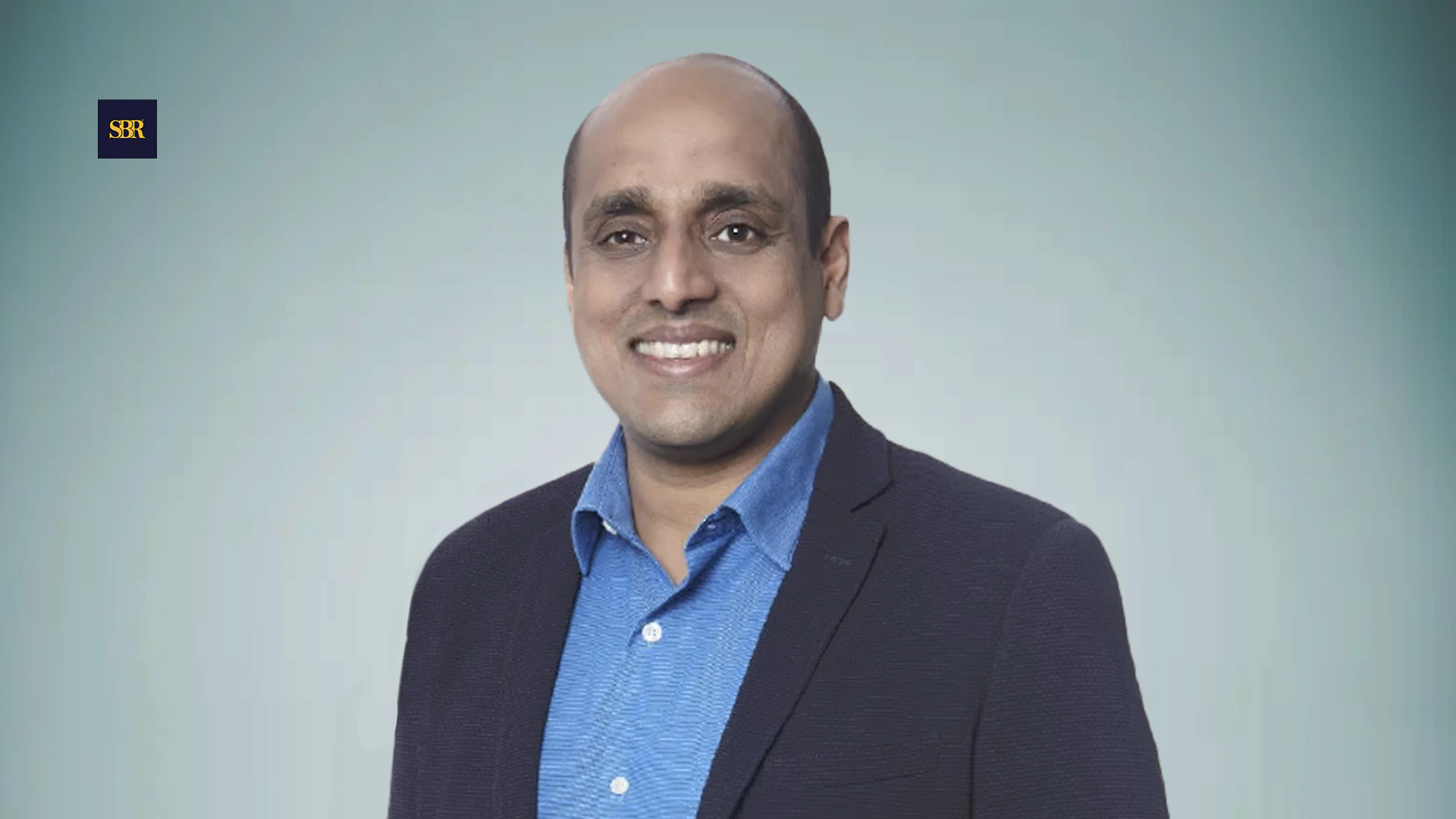
Zheng Wei Quah, Co-Founder & CEO, Accredify