AETECH is a South Korean company that develops AI‑driven robots and automated waste‑sorting facilities to modernize recycling and resource recovery. The company engineers both hardware and software to build intelligent waste‑sorting systems capable of identifying, classifying, and separating materials with speed and precision. The firm believes automation can resolve traditional challenges in waste sorting such as slow processes, safety hazards, and inconsistent quality. Through its flagship robot and integrated systems, AETECH enables recycling centers to transition toward automation while maintaining operational efficiency.
The first major product from AETECH, the optical waste‑sorting robot Atron, relies on deep‑learning AI trained on millions of real waste‑sorting records to recognize recyclables. Atron sorts items at a rate of up to 96 pieces per minute while achieving an accuracy of approximately 99.3 percent. The robot classifies waste into multiple categories and subcategories, separating plastics, metals, glass, and more by material and color. The company gained recognition as a startup with global growth potential through participation in national innovation programs supporting high-potential digital firms.
Robots Reshape Waste Sorting Workflows
Atron operates within fully automated facilities called AIRO-MRFs, where robots sort waste without human intervention. These facilities increase recycling and resource recovery rates while reducing reliance on manual labor, which often involves unsafe or strenuous tasks. AETECH has already deployed multiple Atron units in private and public sorting centers across Korea, demonstrating that automated systems can double recovery rates for plastic waste compared with conventional facilities.
The AIRO-MRF produces high-purity recycled materials such as PET flakes, helping to reduce landfill and incineration volumes while improving recycling throughput. AETECH also developed Multi-tron, a compact and mobile solution designed for urban environments, apartment complexes, stadiums, and shared-space facilities. Multi-tron uses AI vision to recognize and sort waste in real time, enabling efficient separation in locations where traditional large-scale sorting systems cannot be installed. This flexibility allows automated recycling to extend beyond industrial centers into everyday residential and communal settings.
Recognition, Patents, and Global Reach
AETECH’s innovations have earned international recognition. In 2024, the company became the first Korean firm to win the WIPO Global Awards, which honors inventive contributions with real-world applications. The award highlighted AETECH’s patent-backed strategy and the commercial potential of its waste-sorting technology. The following year, AIRO-MRF won a bronze medal at the Edison Awards in the Manufacturing and Logistics Production Process Innovation category for improving recycling efficiency and reducing waste sent to landfills.
Government-backed programs such as the Global ICT Future Unicorn Cultivation Project have supported AETECH with funding and guidance, helping the company scale production and expand overseas. AETECH holds multiple domestic patents and international patent applications covering its AI and robotic technologies, giving the company a technological advantage and supporting rapid iteration across different facility types.
Smart Cities, Automated Recycling
AETECH envisions a future in which waste sorting and resource recovery happen automatically in smart cities. By combining AI, robotics, and automated facility management, the company eliminates the need for manual sorting and processing. Planned AIRO-MRF facilities, such as the one in Incheon, serve as model recycling centers that produce high-quality recycled materials at scale.
Multi-tron brings automation to residential and urban environments, allowing apartments and communal facilities to participate in resource recovery without large infrastructure changes. This capability extends the reach of recycling efforts and reduces environmental burden. AETECH is also exploring expansion into Southeast Asia, where waste management challenges and limited land resources create opportunities for automated sorting solutions.
Scaling Technology While Overcoming Challenges
Although AETECH’s technology is advanced, adoption faces challenges including regional differences in waste composition, regulations, and infrastructure. The company addresses these by customizing systems to local conditions and maintaining high AI performance and hardware reliability. Vertical integration across hardware and software allows AETECH to iterate quickly and adapt robots to diverse environments.
Financial backing enables AETECH to expand fleets, construct additional facilities, and refine AI systems. Leasing and rental models lower adoption barriers, allowing customers to implement robotics solutions without large upfront investment. As global concerns over climate change, plastic pollution, and resource scarcity intensify, automated recycling solutions such as AETECH’s systems can significantly reduce landfill use, reclaim materials, and support sustainable urban development.
AETECH demonstrates that AI and robotics can modernize waste management while contributing to environmental goals. Through innovations like Atron, AIRO-MRF, and Multi-tron, the company shows that automation can extend beyond factories into public infrastructure, supporting sustainability at scale. As installations expand and technology evolves, AETECH is poised to redefine recycling, making high-efficiency resource recovery a standard in urban and industrial settings.
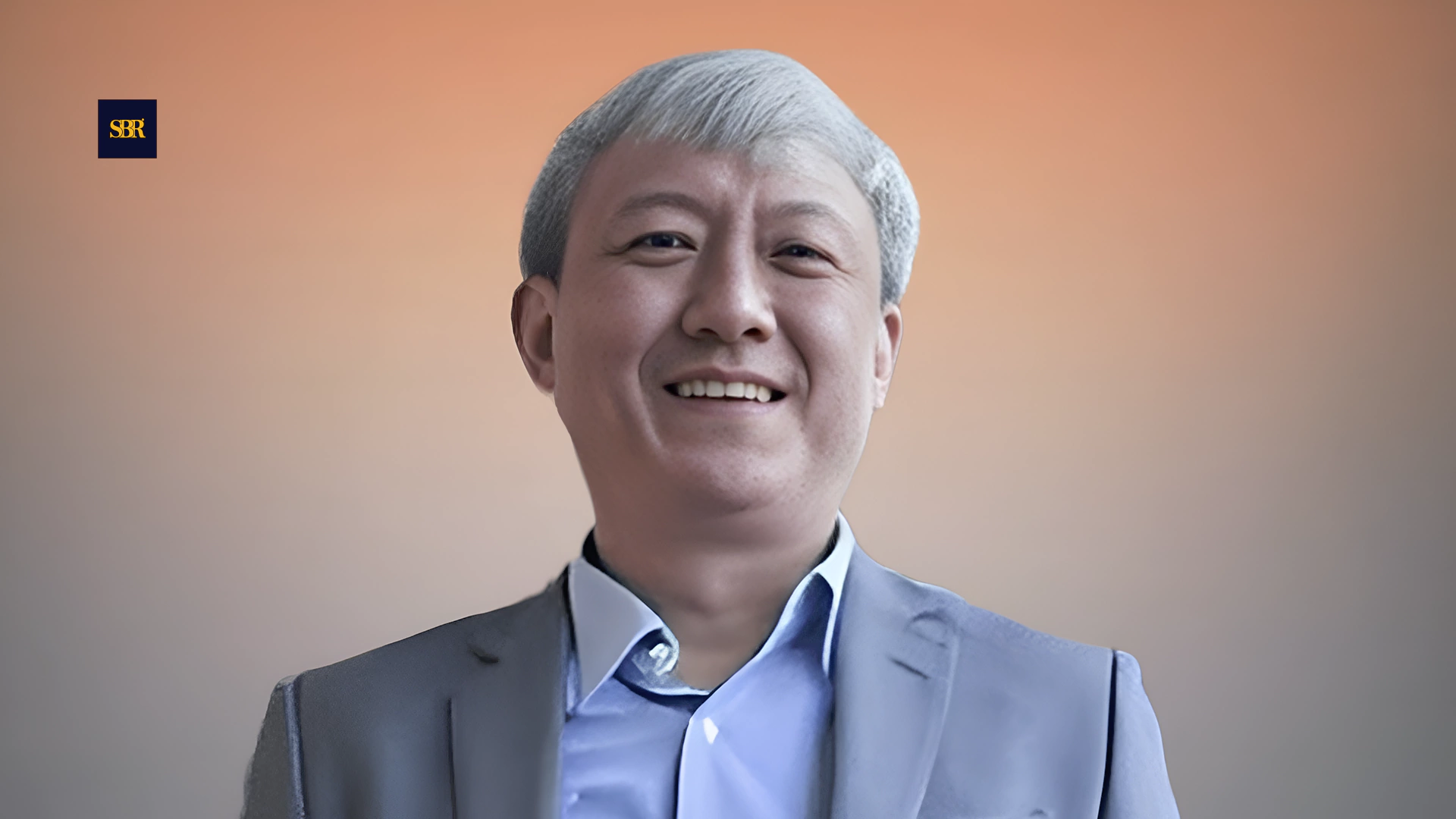
Park Tae-hyung, CEO, AETECH