Robots can use cameras and other sensors to understand what is around them, but physical interaction requires another layer of information. A machine needs to know how much force it is applying, where that force is coming from, and how an object responds when touched or moved. Force and torque sensing gives robotic systems this information, allowing machines to handle physical tasks with greater control.
ForceN is a Toronto-based robotics technology company that designs, tests, and manufactures force/torque sensing systems for robotic applications. Founded in 2015, the company initially set out to match and exceed human-level sensitivity for teleoperated surgical robotics. ForceN now develops sensing solutions for surgical, logistics, humanoid, and frontier robotics, with robotic fingers, joints, wrists, and ankles designed for physical interaction.
Sensing Physical Interaction
ForceN’s sensing systems are designed to measure force and torque across multiple dimensions while maintaining sensitivity during demanding robotic operations. Full force/torque calibration and traceability are built into the systems, along with on-board temperature and off-axis compensation. These features allow the sensors to account for factors that can affect measurement accuracy during operation.
The hardware also includes digital processing and overload protection within the sensor itself. This integrated design removes the need for additional hardware to handle those functions. ForceN has built its sensing architecture around production requirements for robotics manufacturers, with traceability covering materials, manufacturing and testing procedures. The company's quality management system is certified to ISO 9001 and ISO 13485 by Intertek.
Intelligence at the Edge
ForceN also places computing capabilities directly within its sensing systems. Its Synap technology uses a network of high-density edge computing modules embedded into the sensing structure. Processing information close to the sensor can reduce the distance between physical contact and the data used by a robotic system to respond.
The sensing systems also include plug-and-play edge algorithms and connectivity through standard USB, CAN, EtherNet and EtherCAT interfaces. This allows ForceN's sensors to connect with common robotic control architectures without requiring a separate computing system for their core edge functions. The combination of sensing and on-board processing is designed for robotic manipulation where fast responses and direct physical feedback are important.
Three Technologies Behind ForceN
ForceN has developed three patented technologies that form the basis of its force/torque sensing architecture. ForceFilm uses a monolithic thin-film transducer that allows an unlimited number of transducers to be micromachined into a single thin film and robotically assembled in one step. This design enables multidimensional and redundant force/torque sensing while making the manufacturing process more scalable.
DedicatedOverload uses a unibody protection structure designed to protect sensing beams from excessive loads. When the beams reach their overload limit, the structure locks out and redirects additional force and torque away from the sensing elements. This allows the sensors to withstand repeated high-speed robotic collisions while retaining their sensitivity. Synap adds the edge computing layer, embedding high-density computing modules directly into the sensing structure to process information close to where physical interaction occurs.
From Surgical Robotics to Humanoid Machines
ForceN’s original focus on teleoperated surgical robotics established the foundation for its work in sensitive force and torque measurement. The company has since expanded its sensing systems across several categories of robotics, including surgical and logistics systems as well as humanoid and frontier robots. Robotic fingers, joints, wrists, and ankles can use force and torque data to interact with physical objects and respond to contact.
The same underlying sensor architecture is designed to serve different robotic applications while meeting production requirements for major robotics OEMs. ForceN manufactures its systems in Toronto and maintains traceability across materials, manufacturing, and testing. With force sensing, overload protection, edge computing and multiple connectivity options built into its architecture, the company is developing hardware for machines that need to do more than perceive their surroundings—they also need to understand physical contact as they operate.
ABOUT | ROB BROOKS
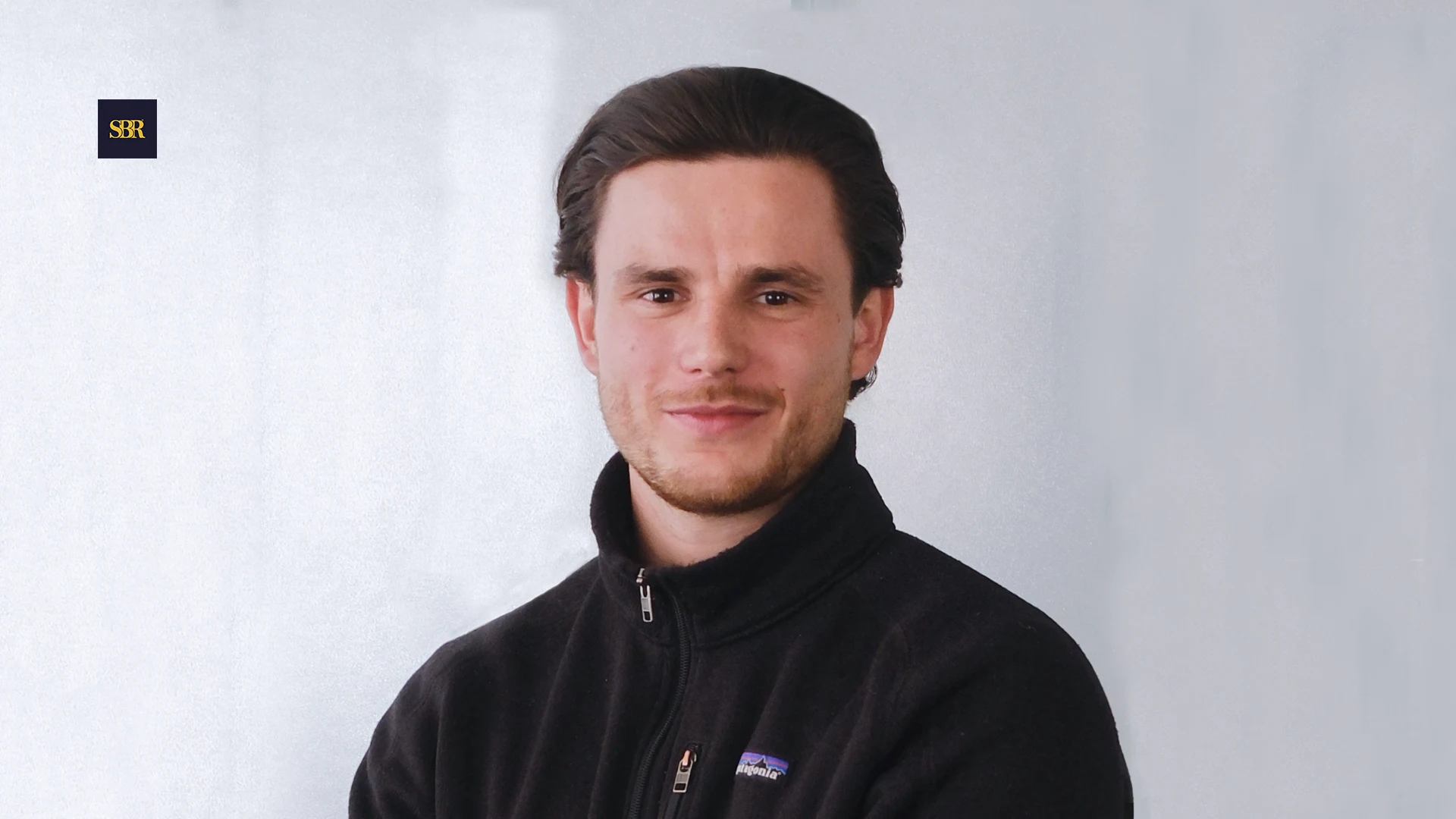
Rob Brooks is the founder and CEO of ForceN, a Toronto-based robotics technology company developing force and torque sensing systems for robotic applications. He has led ForceN's work in robotics and high-reliability automation, including the development of ForceFilm force-sensing technology for applications where machines need to measure physical forces during interaction.
Under Brooks' leadership, ForceN has developed sensing technology for surgical robotics and other high-reliability applications. The company also contributed its force-sensing expertise to ventilator development during the COVID-19 pandemic, adapting its technology to help address pressure-sensing requirements in medical equipment.





.webp)