Traditional technology use is built around ownership. People buy devices upfront, use them for several years, and replace them when they become outdated. This creates a high initial cost barrier that can limit access to newer or higher-end products.
Grover was founded in 2015 to change this structure. Instead of requiring users to purchase devices, the company offers access through a subscription system. Users pay a monthly fee to use products such as smartphones, laptops, gaming consoles, and smart devices. This removes the need for large upfront payments and allows people to access technology as needed.
The idea is based on a simple principle. Technology does not need to be owned to be used effectively. Users can access devices for as long as they need them and adjust their usage over time based on changing requirements.
Subscription-Based Access Instead of Ownership
Grover operates on a subscription model where users select a device, pay a monthly fee, and use it for a chosen period. The subscription can be extended, changed, or cancelled depending on user needs. This creates flexibility that traditional ownership does not offer.
Instead of paying a large amount at once, users spread the cost over time. This makes higher-priced devices more accessible to a wider group of people. It also reduces the commitment involved in purchasing technology, since users are not tied to long-term ownership.
The system also allows device switching. Users can move from one product to another without selling or disposing of old equipment. Businesses use the same system to equip employees with devices without making large hardware purchases upfront, which makes technology management more flexible.
Reusing Devices Across Multiple Users
A key part of Grover’s system is reuse. After a subscription ends, devices are returned, checked, and prepared for the next user. Each product goes through inspection and refurbishment where needed before being rented again.
This process allows devices to be used by multiple people over their lifetime. Instead of sitting unused after a single ownership cycle, products remain in circulation. Repairs and maintenance are carried out to ensure that each device stays functional across repeated use.
This structure increases the total usage of each product and reduces waste from unused electronics. Devices move continuously between users rather than being stored or discarded after short-term ownership.
Expanding Access to Modern Technology
Grover makes modern devices more accessible by removing the need for full purchase costs. Users can access high-end smartphones, laptops, gaming consoles, and other electronics through monthly payments.
This also supports short-term use cases. People who need devices for travel, projects, or temporary work can subscribe for a limited period and return the product when finished. There is no requirement to keep the device long-term.
Users also have the option to switch devices during their subscription. This allows them to try newer models or different product types without being locked into one purchase decision. Technology use becomes more flexible and aligned with changing needs.
Operating Across Multiple Device Categories
Grover offers subscriptions across a wide range of product categories. These include consumer electronics such as phones and laptops, as well as gaming systems, wearables, and smart home devices.
Each category follows the same structure. Users select a product, subscribe, and return it when they no longer need it. The system is designed to work across different types of technology without changing the user experience.
Both individuals and businesses use the platform. Companies can equip employees with devices without purchasing large amounts of hardware. This reduces upfront investment and makes it easier to manage technology at scale.
After use, devices are collected, processed, and returned to circulation. This creates a continuous cycle of use across multiple users.
Changing How Technology is Used
Grover changes how people relate to technology. Instead of owning devices for long periods, users access them as needed. This reduces long-term commitment to a single product and allows more flexibility in how technology is used.
This also changes how value is understood. Devices are no longer measured only by ownership. Value comes from how effectively they are used during their lifecycle. A single product can serve multiple users over time, increasing its overall usefulness.
The system allows users to adapt their devices to their needs without being tied to a single purchase decision. Technology becomes something that can be adjusted rather than permanently owned.
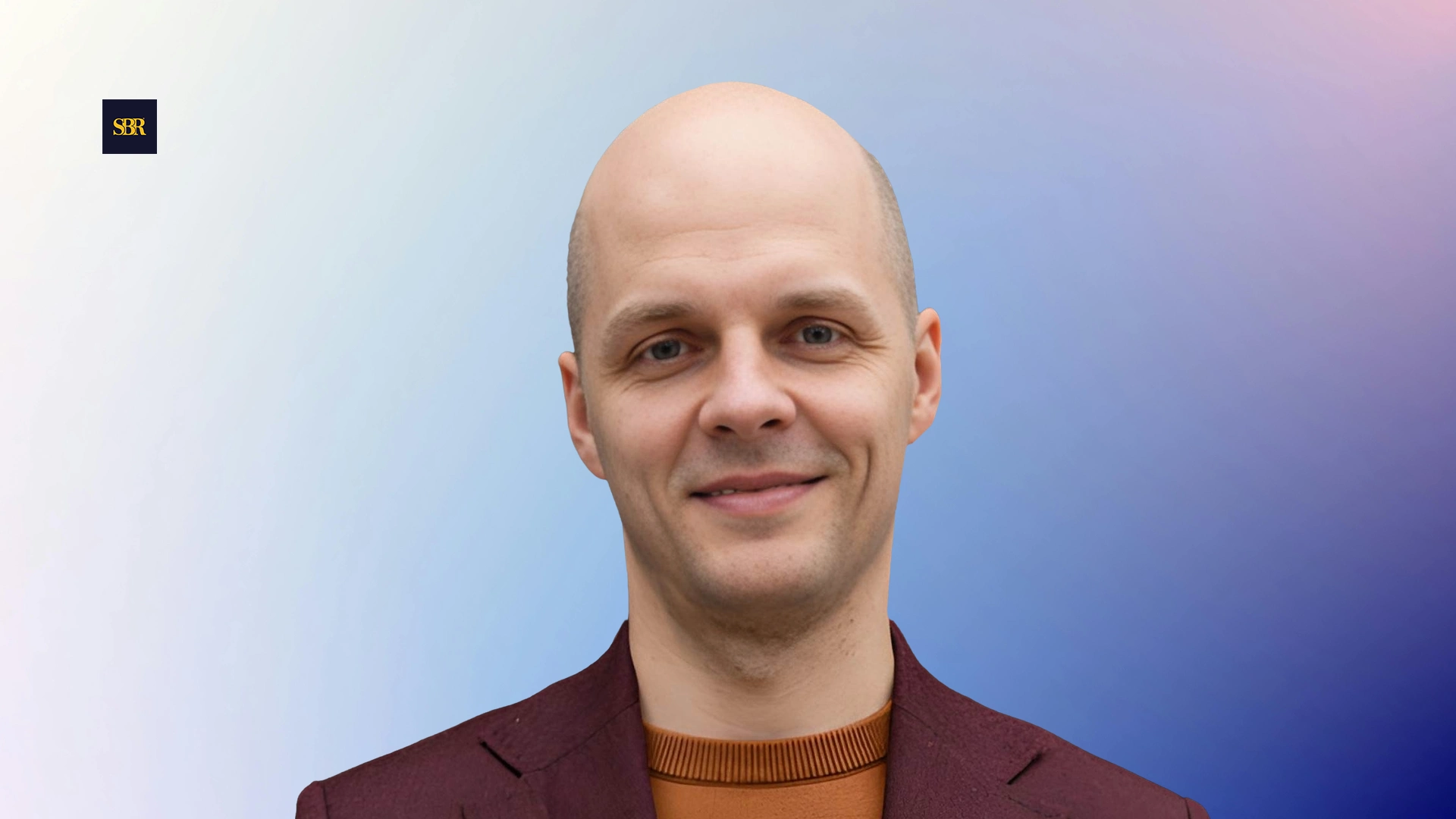
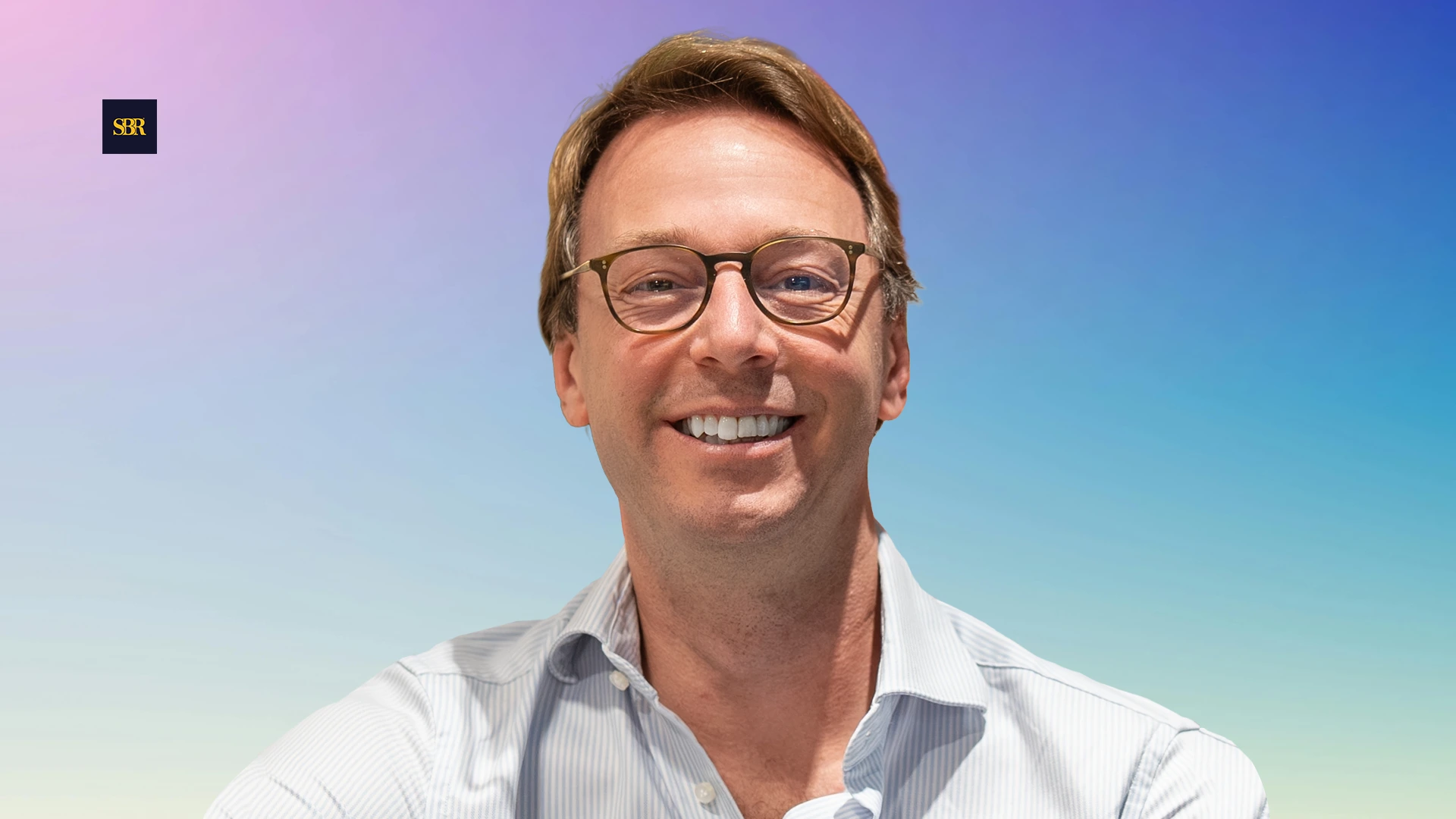
Rob Straathof, CEO, Grover