Food production has traditionally depended on livestock farming, with its associated environmental pressures, supply chain constraints, and resource intensity. Vow operates in a different space, focusing on cultured meat technology that produces food from animal cells rather than from slaughtered animals.
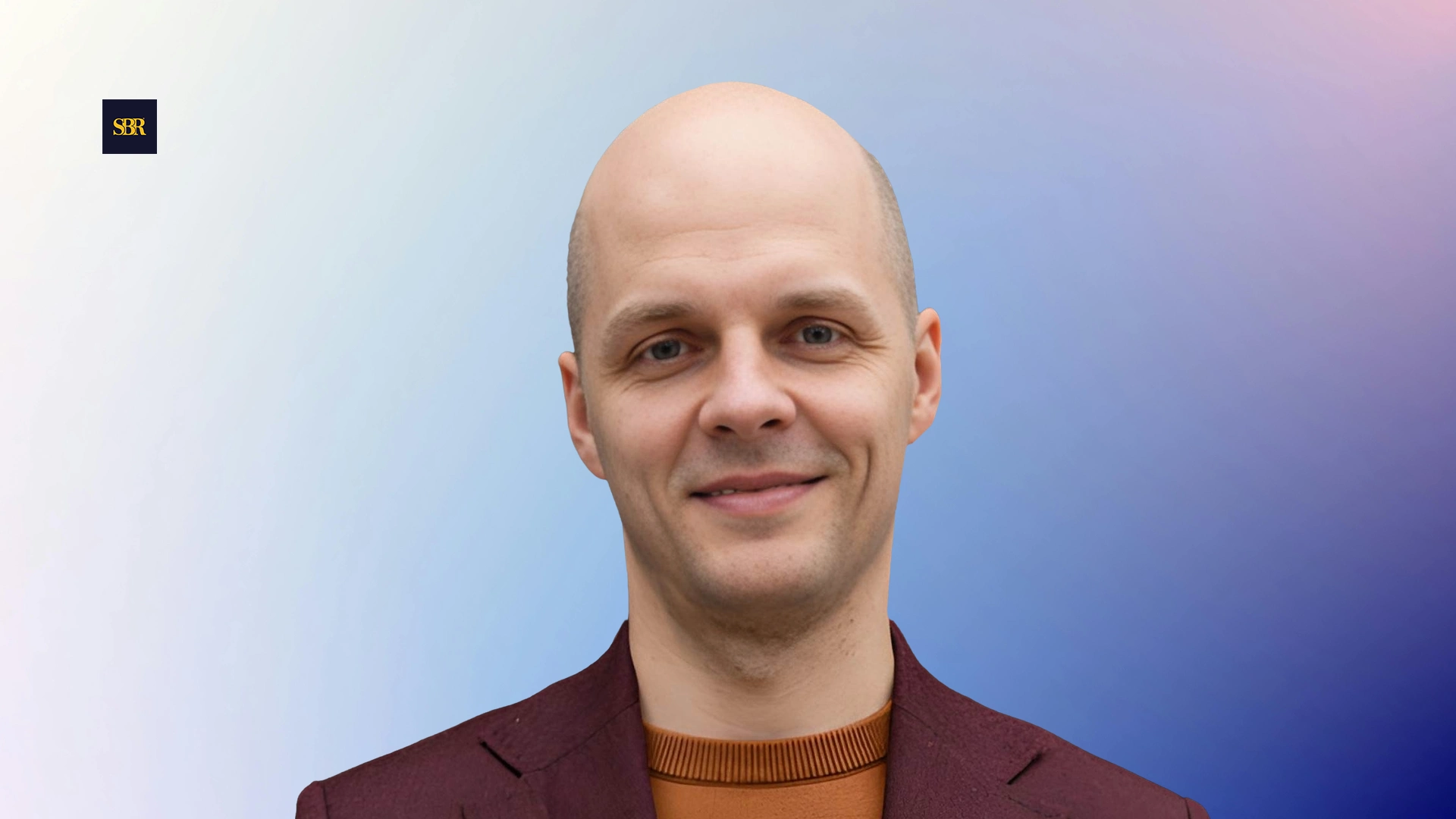
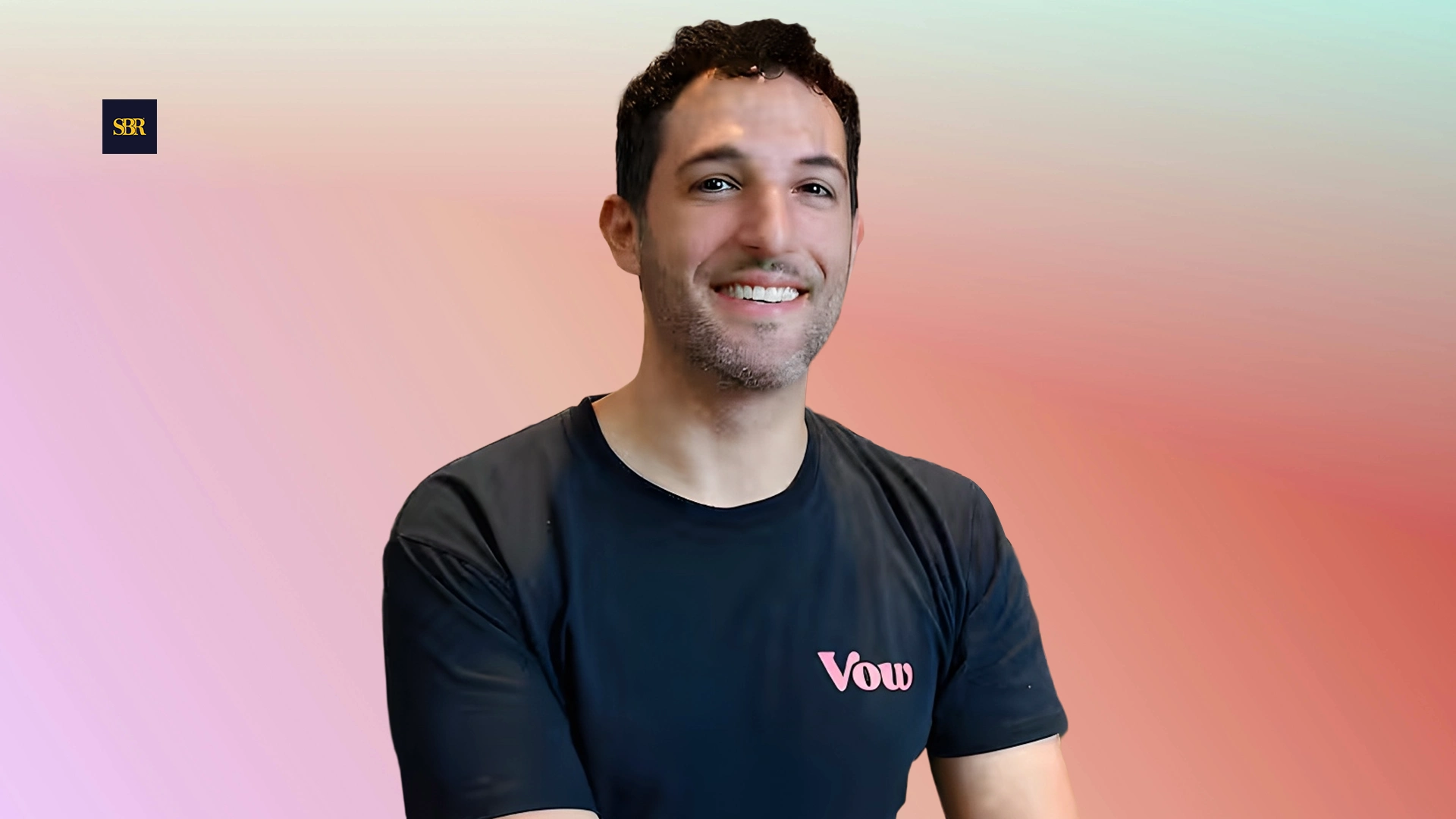
Founded in 2019 in Sydney, Australia, by George Peppou and Tim Noakesmith, the company develops meat products grown in controlled environments using cellular agriculture techniques. The process begins with small samples of animal cells, which are then cultivated in nutrient-rich conditions until they develop into edible food structures.
Unlike traditional meat production, this method removes the need for animal farming while creating food products that are structurally similar to conventional meat. The focus is not limited to replication but extends into the creation of entirely new food experiences derived from animal cells.
The company operates within a growing field of cellular agriculture, where biotechnology and food science intersect to reimagine how protein is produced and consumed.
Cultured Meat and Cellular Agriculture Systems
Vow uses a process where animal cells are placed in controlled bioreactors and fed a nutrient medium containing amino acids, vitamins, and minerals. Over time, these cells multiply and form biomass that can be harvested as food.
This system removes the need for raising and slaughtering animals while maintaining biological inputs at the cellular level. The production environment is designed to support cell growth in a controlled and scalable manner.
The company works with a range of animal cell sources, including Japanese quail, which has been used in several of its early product developments. These cells are cultivated into structured food products that are then processed into final culinary formats.
Rather than focusing solely on direct substitutes for conventional meats, the company also develops entirely new food types that do not exist in traditional agriculture. This includes novel textures, flavor profiles, and product formats built from cultured biomass.
The result is a production system that separates food creation from land-based animal farming while maintaining biological authenticity at the cellular level.
Creating New Food Experiences from Cultured Cells
Vow does not limit itself to replicating existing meat categories. Instead, it develops new food products designed to expand what meat can become when produced through cellular methods.
One of the company’s early product directions involved cultured quail-based foods that were developed into entirely new culinary formats. These products are designed to offer experiences that differ from traditional meat cuts while still being derived from animal cells.
The focus on new food categories reflects a broader intention to move beyond imitation and toward innovation in food design. This includes experimenting with texture, composition, and ingredient integration within cultured structures.
Products are often developed in collaboration with chefs and food designers who explore how cultured meat can be integrated into culinary applications. This process allows for experimentation with taste and presentation that extends beyond conventional butchery.
Rather than positioning cultured meat as a direct replacement, the company develops it as a new category of food that expands culinary possibilities.
Scaling Biotech Food Production Systems
Scaling cultured meat production requires significant infrastructure, particularly in bioreactor capacity and process optimization. Vow operates with industrial-scale cultivation systems designed to support larger volumes of cell growth.
Bioreactors function as controlled environments where temperature, nutrients, and growth conditions are carefully managed. Within these systems, animal cells multiply and develop into usable biomass for food production.
As production scales, consistency and reproducibility become key factors. Each batch of cultured food must meet defined biological and sensory parameters to ensure product reliability.
The company has developed systems capable of moving from small-scale experimentation to larger production environments, supporting the transition from laboratory development to commercial output.
This scaling process also involves refining nutrient mediums and optimizing cell growth conditions to improve efficiency and output quality.
Environmental Considerations in Food Production
Traditional livestock farming requires significant land use, water consumption, and feed inputs. Cultured meat systems reduce reliance on these resources by shifting production into controlled environments.
By removing the need for large-scale animal farming, cellular agriculture reduces dependence on agricultural land traditionally used for grazing and feed production.
Energy use remains a consideration in cultured meat systems, particularly in maintaining controlled bioreactor environments. However, the separation from land-based farming allows for alternative energy optimization strategies within production facilities.
Vow operates within this broader context of rethinking food systems to reduce environmental strain associated with conventional meat production.
The focus is not only on environmental efficiency but also on reconfiguring how food systems are structured at a biological and industrial level.
Redefining Meat Through Biotechnology
Vow represents a shift in how meat is defined, produced, and experienced. Instead of relying on animal agriculture, food is created through cellular processes that operate independently of traditional farming systems.
This redefinition opens possibilities for entirely new food categories that are not constrained by existing livestock classifications. Meat becomes a product of cellular design rather than animal rearing.
The intersection of biotechnology and food science allows for controlled experimentation with texture, structure, and composition. This creates room for innovation that extends beyond conventional food production methods.
As cellular agriculture develops further, cultured food systems may play a larger role in how protein is produced globally. Vow operates within this emerging field, contributing to the development of new methods for creating food at the cellular level.
George Peppou, Founder & CEO, Vow