
Whatnot, the livestream shopping company led by Grant LaFontaine, is becoming a leading name in U.S. e-commerce by blending entertainment with online selling. With a recent $265 million Series E funding round, the company’s valuation has climbed to just under $5 billion. That milestone came on the back of a year in which Whatnot more than doubled its gross merchandise value, reaching over $3 billion in 2024.
The company plans to use its latest capital injection to deepen its presence in new international markets, while continuing to improve the tools available to its seller base. It also intends to enhance its trust and safety features, reinforcing the platform’s emphasis on real-time commerce with community engagement.
Building with Collectors in Mind
Founded in 2019 by Grant and Logan Head, Whatnot began with a narrow focus on collectibles such as trading cards, comics, and vintage toys. It didn’t start as a bid to capitalize on livestream commerce trends. Instead, it was designed to be fun, social, and grounded in the interests of niche communities.
“We built something fun for collectors,” Grant said. “We didn’t chase live-shopping trends; we chased moments our friends cared about.”
The product reflects that ethos. Sellers go live, interact with viewers through video and chat, and run auctions or timed sales. It’s structured more like a live event than a storefront. Buyers stay engaged because they’re not just shopping, they’re watching, commenting, competing.
A Marketplace That Feels Personal
While livestream shopping has long been a phenomenon in Asia, the U.S. was slower to adapt. Whatnot has succeeded where others failed by rooting itself in real communities and allowing them to guide category growth.
The company reports that livestream customers tend to complete ten times more transactions than static marketplace users, and they spend substantially more on average. Many viewers stay on for over an hour per session, underscoring the platform’s ability to hold attention, something traditional e-commerce has often lacked.
Trust remains central. Sellers in higher-risk categories like luxury goods and sneakers are required to pass through eligibility screenings, including performance-based reviews and policy assessments. Community policing is encouraged. Poor behavior, whether in shipping or communication, often results in removal.
Scaling Without Compromise
Whatnot has raised around $750 million since 2020. The company’s Series E round added $265 million, bringing on new investors while allowing the company to offer liquidity to early employees through a share buyback program. The team currently includes around 600 full-time staff.
The company is planning an aggressive international expansion. It already operates in nine countries and has plans to launch in Australia next, with parts of Europe in earlier stages of rollout. Beyond geography, it is also branching into new verticals, from vintage vinyl records to golf gear and fashion accessories.
Grant has made it clear that scaling doesn’t mean broadening for the sake of it. Whatnot's growth strategy still hinges on serving specific communities with depth. “If we tried to make a product for a billion people, there’s no way it would be any good,” he said.
A Model Built for Trust and Experience
Whatnot isn’t trying to replace eBay or Amazon. The company’s proposition is different, a space that combines the excitement of a live show with the immediacy of a digital transaction. By making the experience social, it generates a level of stickiness that conventional marketplaces can’t replicate.
As more brands recognize this, Whatnot has become a channel for retailers to connect with customers in a fresh way. Brands with overstock or those running product launches have turned to the platform to reach collectors and enthusiasts directly. For buyers, this means access to exclusive deals and limited-edition items, often with live commentary and seller engagement.
Whatnot continues to tighten its quality controls in key areas. In categories where authenticity is critical, such as rare sneakers, vintage luxury, or trading cards, sellers must meet elevated requirements. Some categories are even invite-only. This gatekeeping, though selective, builds credibility with buyers.
From Pokémon Cards to Market Strategy
Grant’s entry into e-commerce was personal. As a teenager, he sold a holographic Pokémon card on Yahoo Auctions. That $10 check was his first taste of the seller-buyer dynamic, and the idea of trading rare items stuck with him. Years later, as a product manager at Google and YouTube, he revisited that memory while watching live streamers build massive, loyal audiences.
That combination, deeply engaged communities and real-time commerce, laid the foundation for Whatnot. The platform has since evolved into a mix of marketplace, social media, and event space. Grant often describes it as “eBay meets Twitch,” but with controls built for safety and structure.
He doesn’t shy away from the complexity of scaling. In past comments, he’s likened early-stage growth to fighting fires. “When things are going fast, you can’t fix everything,” he said. The key is to stay focused on what actually matters to users, and keep evolving the tools that support sellers.
Facing Competitors, Staying Grounded
With TikTok Shop entering the U.S. market and other platforms testing similar features, Whatnot faces more competition than ever. But its founder believes that staying focused on community-led commerce will continue to set it apart.
“Many of the early U.S. attempts at livestream shopping were just copycats,” Grant said. “They didn’t think about what makes the experience valuable here.”
That difference in approach is noticeable. TikTok may have broader reach, but Whatnot has deeper roots in niche groups, sports card collectors, sneakerheads, toy resellers, where sellers and buyers already know each other. That trust is hard to replicate.
As regulations loom over TikTok and other social platforms, Whatnot may benefit from its tighter structure and focus on vetted commerce. The company’s model was never built for mass social media. It was built to serve people who already know what they want and who they trust.
Staying the Course
Whatnot’s success so far suggests that livestream shopping isn’t just an Asian export, it’s a format that, if adapted thoughtfully, can work in the U.S. too. The company is not trying to win through flash or scale alone. It’s focused on real people, real exchanges, and a shared sense of interest between seller and buyer.
Whatnot’s future will depend on how well it continues to balance that intimacy with expansion. If it can grow while preserving its community feel, Whatnot may not just lead in livestream shopping, it could redefine how online marketplaces connect people.
Grant is focused on delivering entertainment, building trust, and creating an experience that keeps people coming back. In the long run, that may prove to be a more sustainable model.
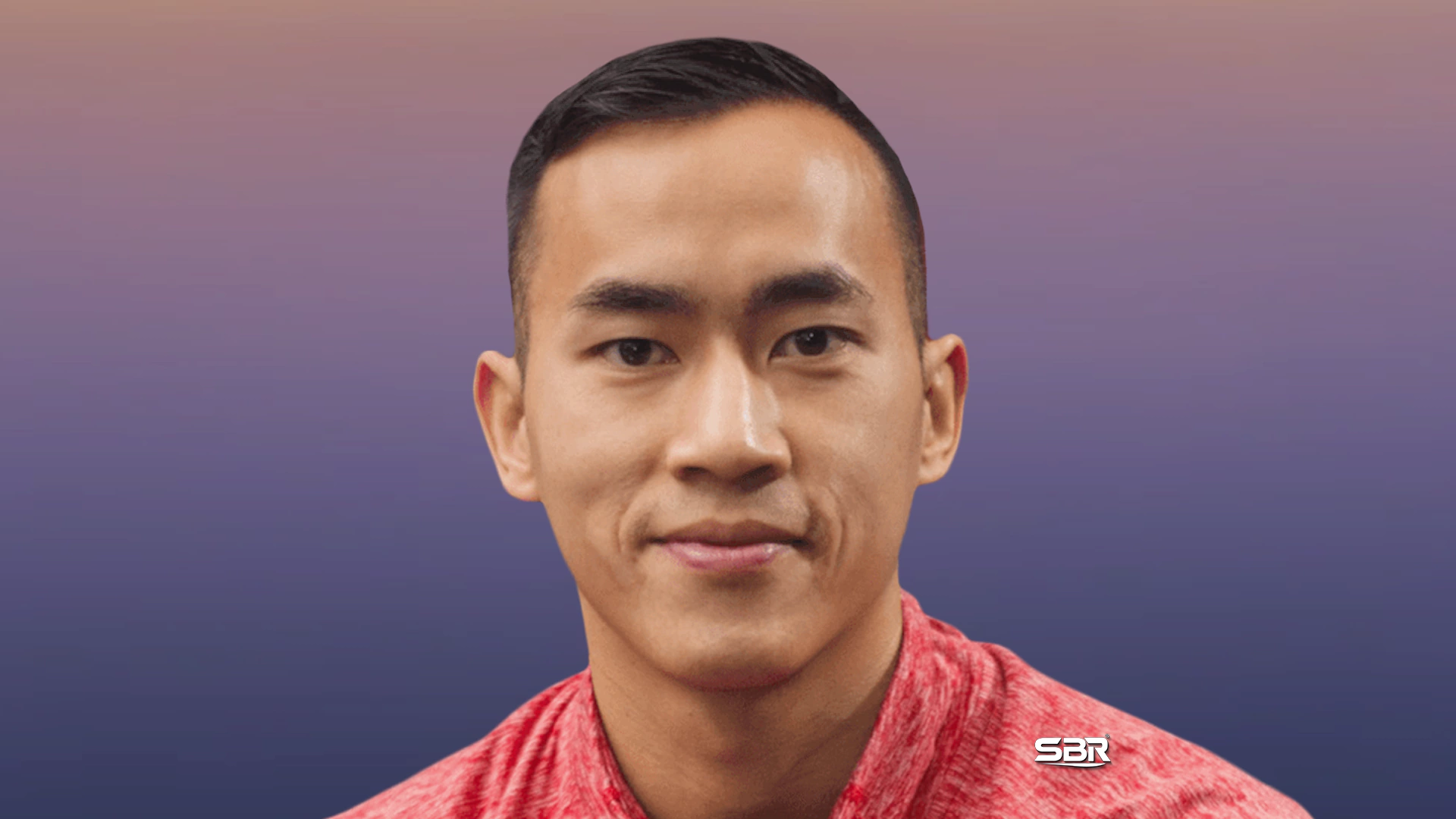
Grant LaFontaine, Co-Founder & CEO, Whatnot
















.webp)