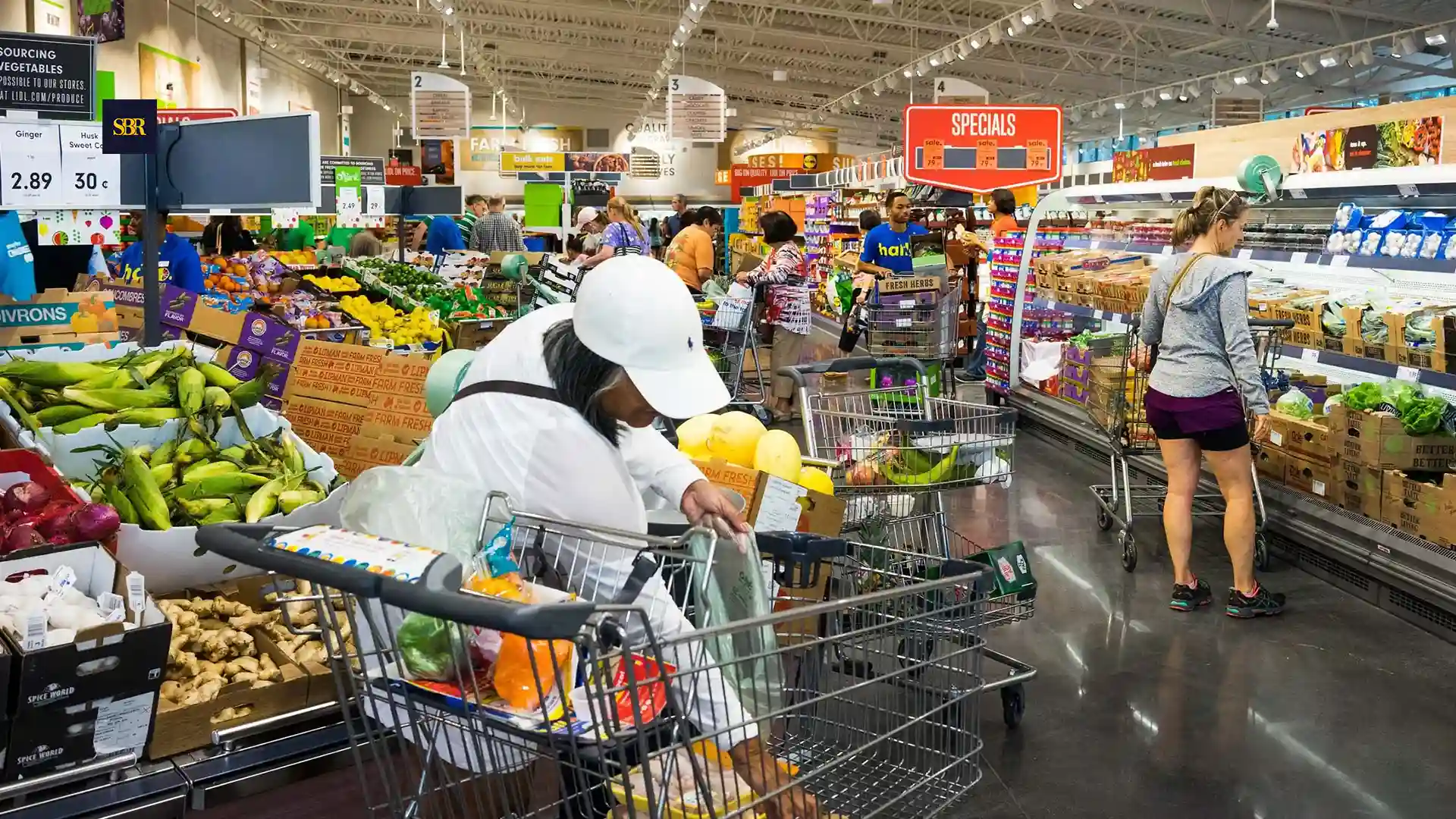
WASHINGTON, March 31, 2026 — Inflation often begins with energy, but food carries a longer-lasting bite. Families struggle to reduce grocery spending even when interest rates rise because groceries are a non-negotiable part of household expenses. The closure of the Strait of Hormuz has highlighted vulnerabilities in oil and gas supplies, but the effect on agriculture is equally significant. Major Gulf countries supply roughly a third of global urea exports, a critical fertiliser for crop production, which influences harvests worldwide. Transportation costs alone account for 20 to 40 percent of retail food prices, tying fuel fluctuations directly to what ends up on store shelves. Staples such as rice, cotton, palm oil, and sugar have already experienced price increases, showing how energy markets and agriculture remain closely linked. Families may not notice the connection immediately, but the chain from energy to supermarkets affects nearly every purchase.
Slow-Burning Agricultural Challenges
Short-term energy spikes do not always immediately push food prices higher, yet the effects often appear over months or years. The S&P GSCI Agriculture Index has declined slightly over the past year even as the S&P GSCI Energy Index rose by roughly 40 percent. Fertiliser shortages tend to influence crop yields gradually, affecting multiple planting seasons rather than a single harvest. Historical patterns suggest that higher oil and gas costs could still drive agricultural commodities upward by around 12 percent, producing gradual increases in grocery bills. Households absorb the changes over time as incremental increases build into significant financial strain. While the shifts are gradual, they add to the ongoing weight on family budgets and spending decisions across countries.

From Farms to Families
Even when agricultural commodities rise, only a fraction of the increase typically reaches shoppers. Only a small portion of global food price changes reaches consumers, so a 12 percent rise in commodity costs translates to roughly a 1.8 percent increase at the supermarket. Domestic production often offsets global trends, and the growing prevalence of processed foods has reduced the share of raw materials embedded in final products. Wealthier households spend a smaller proportion of income on food, a principle known as Engel’s Law, which helps explain why food now accounts for about 16 percent of U.S. consumer spending, down from a quarter in the 1970s. Lower-income families continue to feel a heavier burden because grocery bills represent a larger share of their income. Even small price changes can influence decisions on meal planning, shopping frequency, and household spending.
Core Inflation Drives Economic Effects
Monetary Policy Responds to Food Price Shifts: Policymakers and central banks focus on core inflation, which strips out volatile items to highlight underlying trends. When essential inputs such as fertiliser and energy fluctuate, the cost of goods rises across industries. Workers often seek higher wages to maintain purchasing power, and firms adjust prices to cover higher expenses. Even modest increases in grocery bills can influence expectations of future price movements, which in turn inform interest rate decisions and affect the wider economy. Families may notice rising costs before formal inflation data fully reflect the changes, making everyday grocery spending a direct signal of the economy’s direction.
Ripple Effects Across Households and Markets: Food makes up a large portion of household spending, giving it an outsized effect on the broader economy. Rising grocery bills reduce disposable income for other purchases, which can alter consumption patterns, investment choices, and financial planning. Firms and governments monitor these trends because prolonged increases can feed into wage demands, business pricing strategies, and overall consumer sentiment. In regions dependent on imported staples, fluctuations in global agricultural and energy markets can amplify these effects, meaning local households feel the impact of international price shifts.
Households Manage Steady Price Burdens
Families worldwide see grocery bills rise gradually in response to shifts in energy and fertiliser markets. Rising food prices reduce disposable income for other purchases, influencing consumption and investment decisions. Households adjust by changing shopping habits, selecting lower-cost items, buying in bulk, or altering meal plans, yet the overall burden persists. Governments and businesses monitor these trends because ongoing food inflation can ripple through the economy, affecting spending, wage demands, and consumer sentiment. The challenge is particularly acute in regions that rely heavily on imported staples, where global supply fluctuations amplify the effect on local prices.
Food prices may not leap overnight, but their steady increase places a lasting strain on household budgets. Families continue to manage the real cost of everyday essentials as energy markets fluctuate and global agriculture responds to fertiliser shortages. These pressures underscore that the price of food touches nearly every part of daily life, influencing economic behavior far beyond the supermarket checkout. From planning meals to balancing other household expenses, families experience the tangible effects of incremental price increases. Policymakers and consumers alike face a reality where even modest changes in energy or agricultural inputs can translate into meaningful adjustments at the household level.
Households absorb the changes over time as incremental increases build into significant financial strain. While the shifts are gradual, they add to the ongoing weight on family budgets and spending decisions across countries.