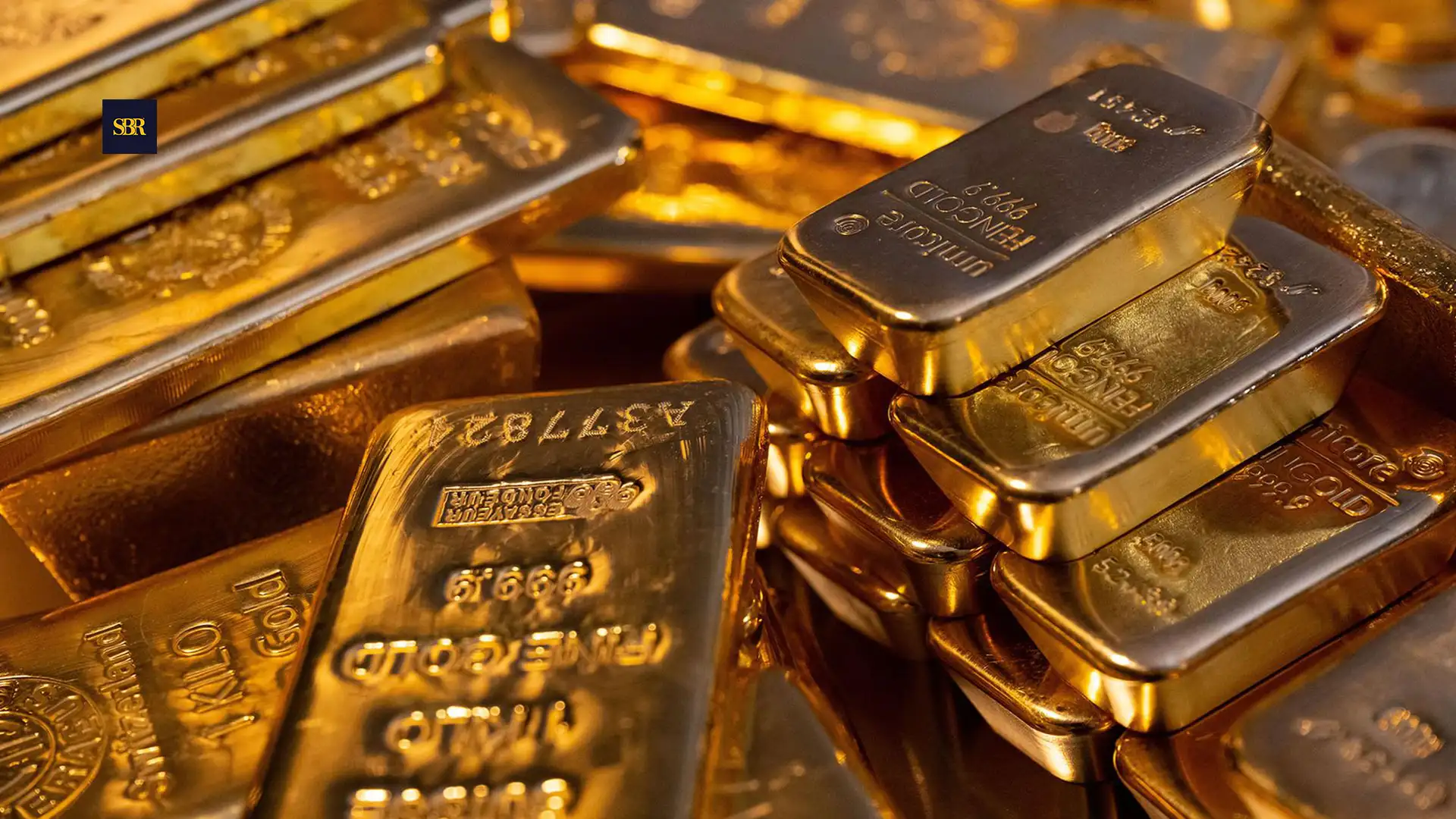
NEW YORK, March 16, 2026 — On Monday, gold held near its recent lows as investors reacted to rising energy prices and the fading likelihood of U.S. interest rate cuts, prompting caution across markets. The metal benefited from a weaker dollar and persistent safe-haven demand, yet concerns about inflation and geopolitical tensions limited its upside. Analysts noted that while short-term fluctuations were likely, sidelined investment capital and global uncertainties could continue to support bullion over the coming months.
Market Movements and Price Trends
Gold and Futures: Spot gold traded at $4,993.42 per ounce by early Monday afternoon, after briefly dipping to the lowest level since February 19. U.S. gold futures for April delivery settled 1.2% lower at $5,002.20. Analysts said the metal’s short-term direction is influenced by both currency movements and trading flows, yet it continues to benefit from broader uncertainty in the markets.
Other Precious Metals: Silver remained steady at $80.52, platinum advanced 3.9% to $2,103.42, and palladium climbed 3.1% to $1,598.80. Market watchers noted that while gold attracts attention as a safe-haven asset, other precious metals also respond to inflationary concerns, geopolitical tensions, and fluctuations in the dollar, creating a dynamic environment for traders.
Inflation Concerns and Monetary Policy
Higher oil prices have intensified inflation worries, causing investors to rethink U.S. interest rate prospects. Markets now see the Federal Reserve as likely to maintain current rates at its policy meeting this week. Economic indicators released in recent weeks suggest that inflationary pressures remain, discouraging aggressive rate cuts.
The Fed is also undergoing leadership changes with Kevin Warsh, a nominee by former President Donald Trump, taking on a key role, adding another layer of uncertainty for market participants. Analysts said that when interest rates remain high or are expected to stay stable, the opportunity cost of holding non-yielding assets like gold increases, which can weigh on prices in the short term.
Energy Market Developments
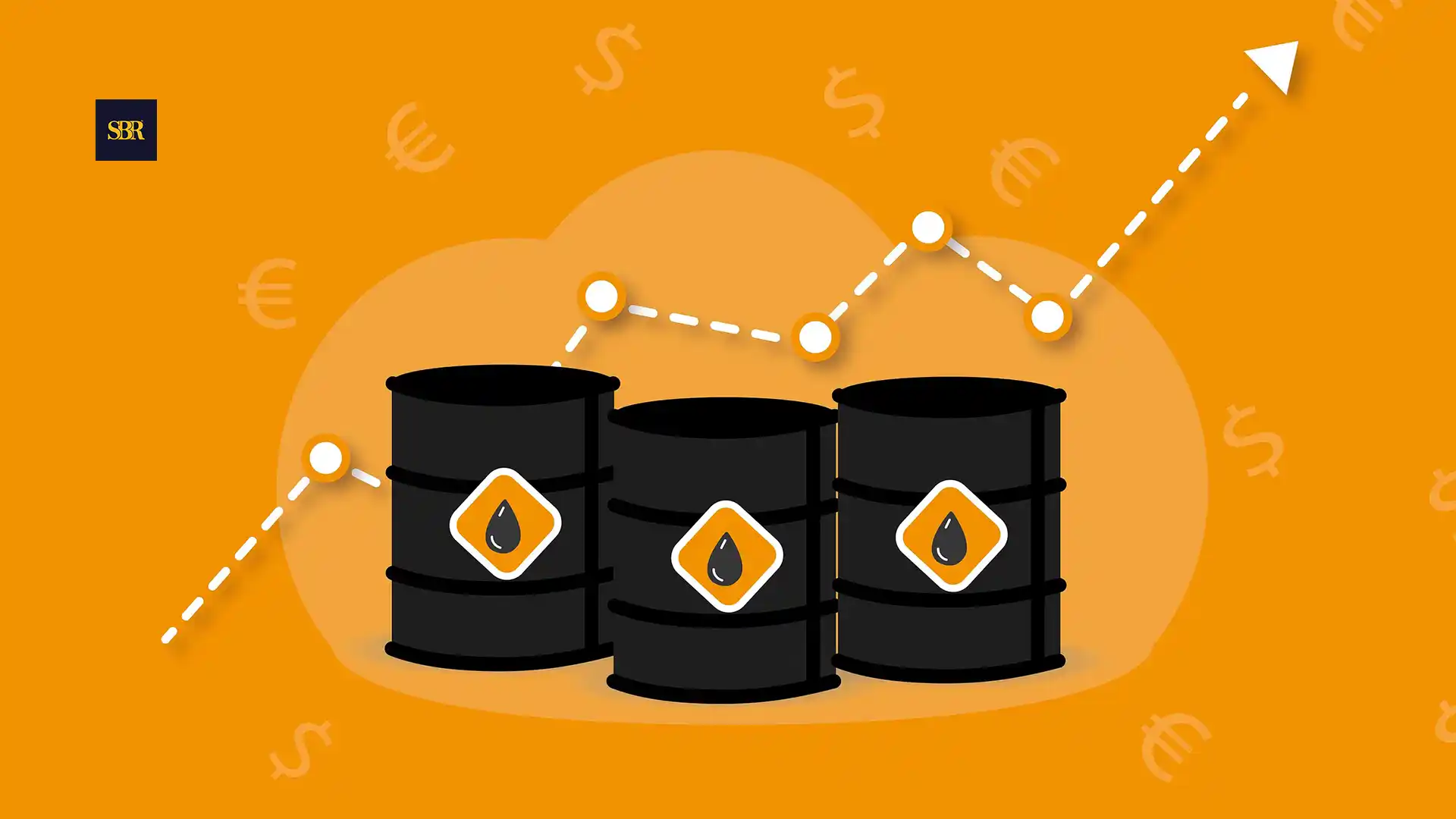
Oil prices surged this year amid geopolitical tensions involving the U.S., Israel, and Iran, particularly threats to shipments through the Strait of Hormuz, a strategic chokepoint for about 20% of global oil and liquefied natural gas exports. Although prices fell on Monday following international calls for coordinated maritime security, markets remain sensitive to any further disruptions
Rising energy costs feed into broader inflationary expectations, influencing central bank decisions on interest rates. Investors see gold as a hedge against such volatility, and market activity often intensifies during periods of geopolitical uncertainty, even as daily trading swings keep prices near recent lows.
Economic Data and Market Focus
Investors are monitoring U.S. economic data, including the Producer Price Index, weekly jobless claims, and speeches from Federal Reserve officials. Analysts said these indicators could influence interest rate assumptions and shape gold’s near-term trajectory.
Despite short-term movements, longer-term support for gold may stem from a combination of geopolitical risk, volatile energy markets, and funds that have yet to enter bullion positions. The interplay between dollar fluctuations, oil prices, and central bank policies continues to guide investor sentiment, keeping gold at the center of market attention.
Gold’s price action illustrates how global commodities, macroeconomic signals, and central bank policy interact in a highly interconnected market. Even small changes in interest rate expectations or energy prices can ripple through metals markets, affecting investor strategies and trading flows. Analysts emphasized that while short-term swings are inevitable, persistent geopolitical uncertainty and market volatility could sustain demand for gold over a longer horizon.
Oil prices surged this year amid geopolitical tensions involving the U.S., Israel, and Iran, particularly threats to shipments through the Strait of Hormuz, a strategic chokepoint for about 20% of global oil and liquefied natural gas exports.








.webp)